
🥗 STARTER
Irish Seafood Chowder
A creamy chowder of smoked haddock, salmon, white fish and mussels with diced potato, leek and dill, the bowl every Irish coastal pub serves with brown bread.
Irish · medium · serves 6
prep 25 min · cook 30 min
~462 cal · 33g protein · 22g carbs · 24g fat · 2g fiber · 3g sugars · 12g sat fat (estimated, per serving)
↓ Jump to Recipe

AI-generated illustration
Seafood chowder is the dish of the Irish coast. Almost every pub and restaurant within sight of the sea has it on the menu, from Cork to Donegal, and it is served as a starter or as a light lunch in a deep bowl with a slice of buttered brown soda bread.
An Irish chowder is always a mix of fish: smoked haddock or another smoked fish for depth, a fresh white fish such as hake, cod or whiting, and salmon, with mussels, clams or prawns added at the end. The base is diced vegetables and potato softened in butter, thickened with a little flour, loosened with white wine, fish or the liquor from steaming the mussels, and finished with cream and dill.
Chefs and home cooks each have their own. Neven Maguire's is his mother Vera's recipe; the chef of Kelly's Resort Hotel in Wexford builds his on the juice of freshly steamed mussels. What they share is short cooking: the fish goes in last and only a few minutes, so it stays in tender flakes.
Saved recipes and passport stamps are kept on this device. Sign in to keep them across your devices and leave reviews.
Make it yours
✓ Naturally egg-, nut- and pork-free. No swaps needed.
Toggle a diet and the ingredients rewrite themselves with regional substitutes.
🥕 Vegetarian
🌱 Vegan
🌾 Gluten-Free
🥛 Dairy-Free
🥜 Nut-Free
🥚 Egg-Free
🐖 Pork-Free
Dietary labels are a cooking guide, not allergen-safety advice. We track dairy, egg, gluten, tree nuts and peanuts (we count coconut as a tree nut, following FDA labeling), fish, and shellfish; we do not screen for sesame, soy, mustard, celery, or sulphites. If you have a food allergy, read the label on every product you use, and note that a kitchen can cross-contaminate in ways a recipe cannot control.
Ingredients
US
Metric
Serves 6
- 40 g butter
- 1 small onion, diced
- 1/2 leek, diced
- 1 carrot, diced
- 1 celery stick, diced
- 400 g potatoes, peeled and cut into 1 cm dice
- 2 tbsp plain flour
- 150 ml dry white wine
- 600 ml fish
- 200 g smoked haddock fillet, skinned and cubed
- 200 g salmon fillet, skinned and cubed
- 200 g white fish fillet (hake, cod or whiting), skinned and cubed
- 500 g mussels, cleaned and debearded
- 200 ml double cream
- 2 tbsp fresh dill, chopped
- to taste salt and black pepper
Instructions
- 1Melt the butter in a large pan over medium heat and gently fry the onion, leek, carrot, celery and potato for 5 minutes, until starting to soften but not coloured.
- 2Stir in the flour and cook for 2 minutes. Pour in the wine a little at a time, stirring, and let it bubble and reduce by half.
- 3Add the fish stock, bring to the boil and simmer for 10 minutes, until the potato is just tender.
- 4Add the smoked haddock, salmon and white fish and the mussels, cover and simmer gently for 5 minutes, until the fish is just cooked and the mussels have opened. Throw away any mussels that stay closed.✎ Chef’s noteKeep it at a bare simmer from here; boiling breaks the fish into shreds and toughens the mussels.
- 5Stir in the cream and heat through for 2 to 3 minutes without boiling. Add the dill and season with pepper, and salt only if needed, as the smoked fish is salty.
- 6Serve in warm bowls with buttered brown soda bread.
Irish coastal pub tradition.
Ratings & reviews
Cooked it? Rate this dish:
No account needed. Sign in to leave a full review with a comment.
Cooked it?
Kept on this device, no account needed. Sign in to leave a review and keep your passport across your devices.
No reviews yet, be the first to cook it.
🌏 While it simmers, know your destination
📍
Munster. Cork once ran the world's butter trade. The Butter Exchange opened in 1769 and graded every firkin that came down the mountain roads from Cork and Kerry, which made it for much of the nineteenth century the largest butter market anywhere, before it finally closed in 1924.
🗺️
Ireland. Corned beef and cabbage is Irish-American, not Irish: it took shape among immigrants in nineteenth-century American cities where beef was cheap and bacon was not. At home the pork tradition held, and the modern Irish kitchen leans hardest on what the wet grass supports, which is butter, cream, cheese and grass-fed beef and lamb.
🌍
Europe. A surprising amount of European cooking is under five hundred years old. Tomatoes, potatoes, peppers, maize, beans and chocolate all crossed from the Americas after 1492, and none of them was trusted quickly: the potato took most of the eighteenth century to be accepted as food rather than animal fodder across much of the north.
The story behind this dish is up top, worth a read while the pot works.
More from Ireland
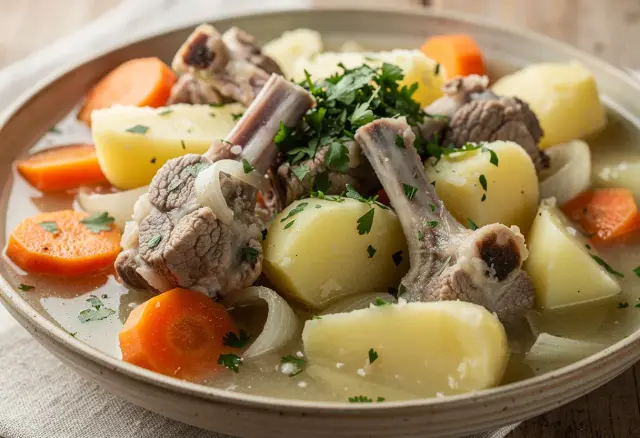
Irish StewA gentle, honest stew of lamb, potato, and onion slow-simmered into pure comfort.
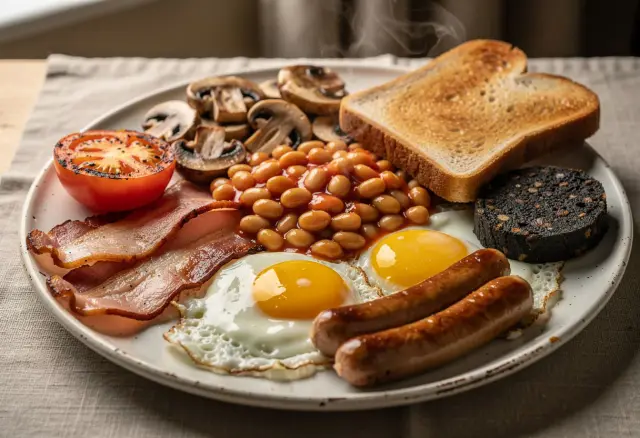
Full Irish BreakfastThe great fry-up: eggs, sausage, rashers, black and white pudding, beans, tomato, and soda bread.
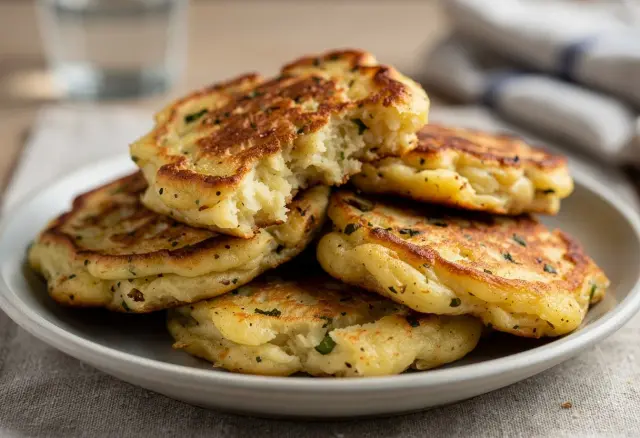
BoxtyA soft potato pancake made from both grated raw and mashed potato, griddled golden, an Irish comfort classic.
Browse all Ireland recipes →
Good to know
Storing it: Soup keeps 3 to 4 days refrigerated and freezes well. Reheat gently and loosen with a little water or stock if needed.
Make it an Ireland meal

Irish CoffeeDrink
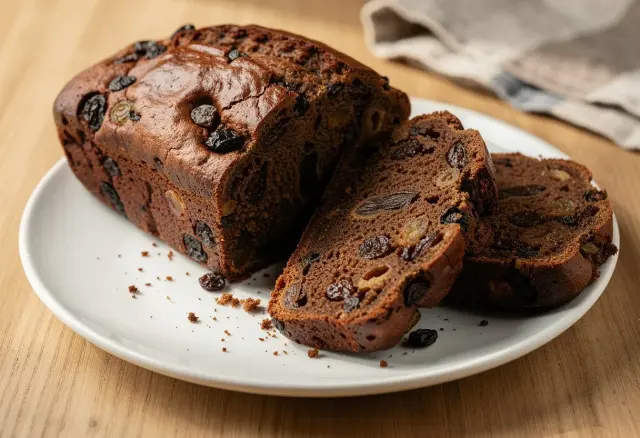
BarmbrackDessert
Similar dishes from around the world
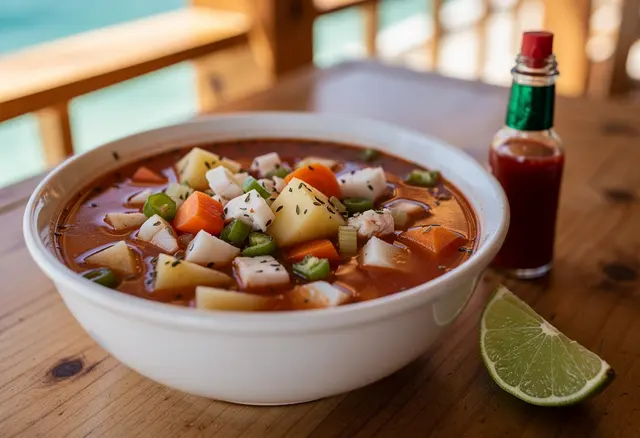
Bahamian Conch ChowderBahamas
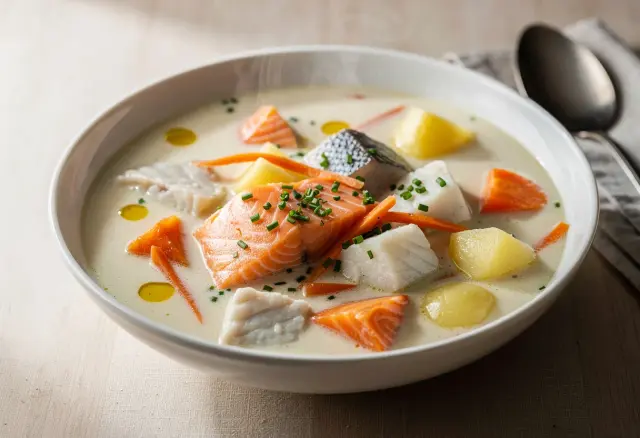
Bergensk FiskesuppeNorway
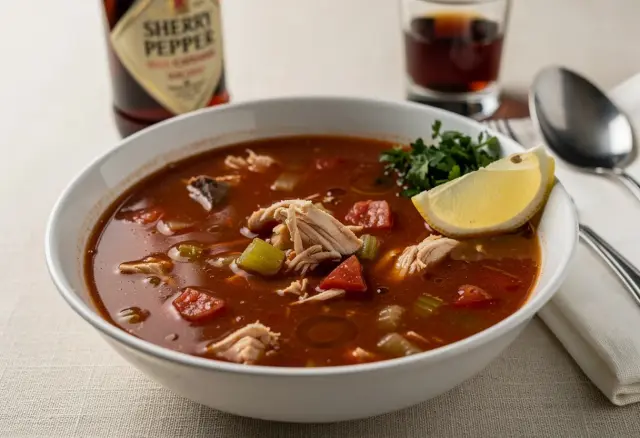
Bermuda Fish ChowderBermuda
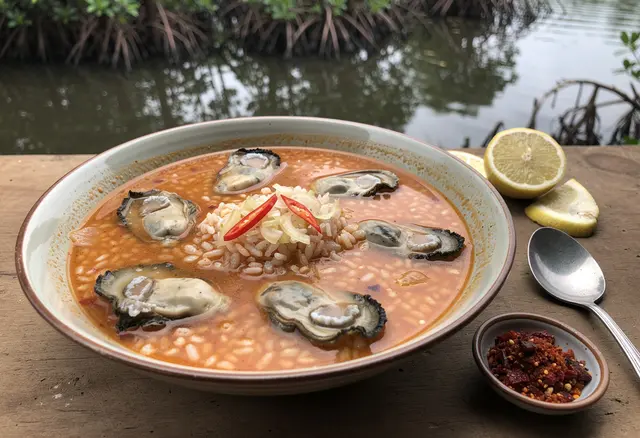
Pitche-Patche (Bissau-Guinean Oyster and Rice Soup)Guinea-Bissau
Ebbeh (Gambian Cassava and Seafood Soup)The Gambia
Humarsúpa (Icelandic Langoustine Soup)Iceland
Frequently asked questions
What is Irish Seafood Chowder?
A creamy chowder of smoked haddock, salmon, white fish and mussels with diced potato, leek and dill, the bowl every Irish coastal pub serves with brown bread.
Where does Irish Seafood Chowder come from?
Irish Seafood Chowder is an Irish dish from Munster, Ireland.
Can Irish Seafood Chowder be made vegan, gluten-free, or dairy-free?
This Irish Seafood Chowder recipe includes substitution suggestions for vegetarian, vegan, gluten-free, dairy-free, nut-free, egg-free, and pork-free versions. Treat the substitutions as a starting guide rather than a guarantee, and see the allergen note below.
Is Irish Seafood Chowder safe for people with food allergies?
Our dietary labels and substitutions are a cooking guide, not medical or allergen-safety advice. We track dairy, egg, gluten, tree nuts and peanuts (we still count coconut as a tree nut to be cautious, although the FDA stopped listing it as one in 2025), fish, and shellfish, but we do not screen for sesame, soy, mustard, celery, or sulphites. If you have a food allergy, always read the label on every product you use, and remember a home or commercial kitchen can cross-contaminate ingredients in ways a recipe cannot control.
How long does Irish Seafood Chowder take to make?
About 55 minutes total (25 minutes prep, 30 minutes cooking), serving 6.
Get the Sunday Spin
One dish from somewhere in the world, in your inbox every Sunday. No spam, just dinner inspiration you can cook that day.