
🥔 SIDE
Nokedli (Hungarian Egg Dumplings)
Soft little dumplings of flour, egg and water dropped through a nokedli grater into boiling salted water, the indispensable side for chicken paprikash and pörkölt.
Hungarian · easy · serves 4
prep 10 min · cook 10 min
~461 cal · 13g protein · 76g carbs · 10g fat · 3g fiber · 0g sugars · 2g sat fat (estimated, per serving)
↓ Jump to Recipe
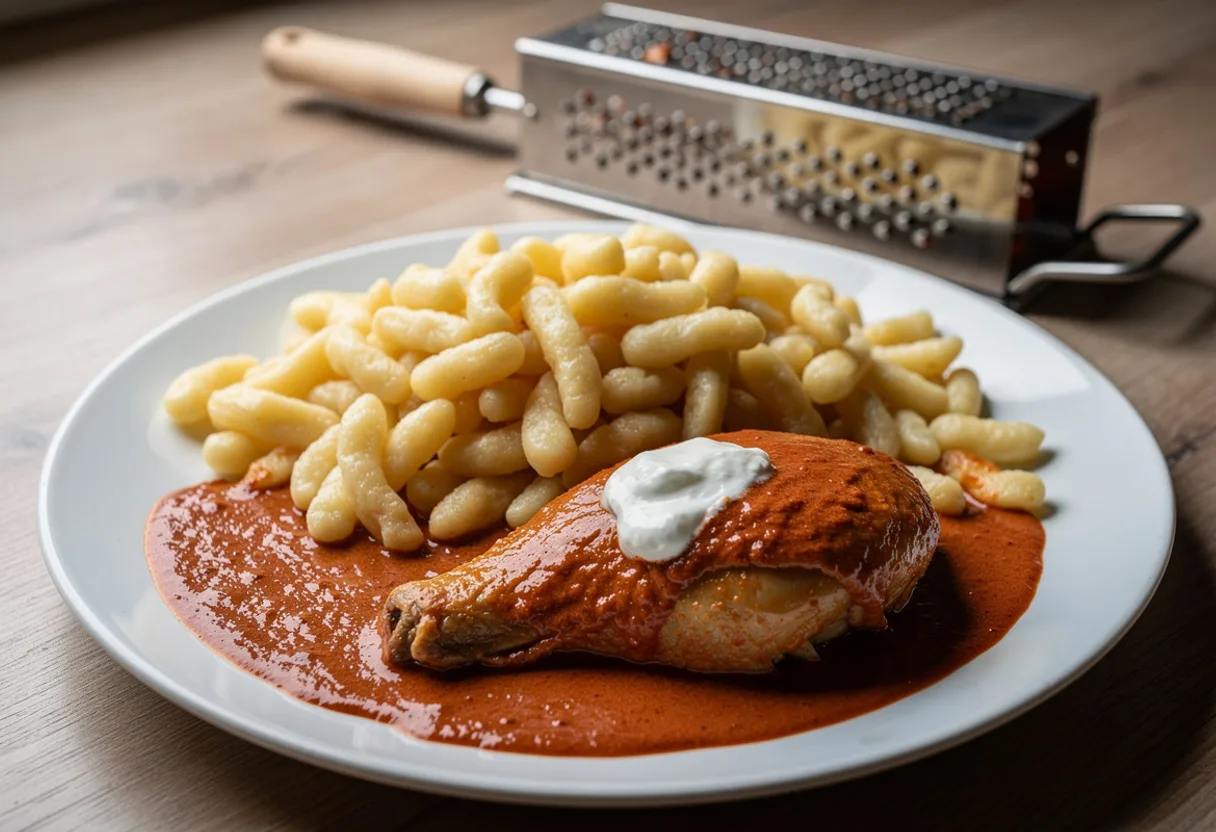
AI-generated illustration
Nokedli, also called galuska, are the small soft dumplings that Hungary serves with its paprika stews. A plate of csirkepaprikás or any pörkölt without a heap of nokedli beside it to soak up the red sauce looks unfinished to most Hungarians.
The dough is made from flour, eggs, salt and water, mixed quickly to a thick, sticky batter that is soft enough to stir but too stiff to pour. It is pushed through a nokedliszaggató, a grater with a sliding box, straight into boiling salted water, or cut off a wet board with a knife, the way grandmothers did it. The dumplings are ready as soon as they rise to the surface.
They are a close relative of Swabian Spätzle. Drained, rinsed and tossed with a little fat so they do not stick, they go on the plate hot, and leftover nokedli are often fried up with beaten eggs the next day.
Saved recipes and passport stamps are kept on this device. Sign in to keep them across your devices and leave reviews.
Make it yours
✓ Naturally vegetarian and dairy-, nut- and pork-free. No swaps needed.
Toggle a diet and the ingredients rewrite themselves with regional substitutes.
🥕 Vegetarian
🌱 Vegan
🌾 Gluten-Free
🥛 Dairy-Free
🥜 Nut-Free
🥚 Egg-Free
🐖 Pork-Free
Dietary labels are a cooking guide, not allergen-safety advice. We track dairy, egg, gluten, tree nuts and peanuts (we count coconut as a tree nut, following FDA labeling), fish, and shellfish; we do not screen for sesame, soy, mustard, celery, or sulphites. If you have a food allergy, read the label on every product you use, and note that a kitchen can cross-contaminate in ways a recipe cannot control.
Ingredients
US
Metric
Serves 4
- 400 g plain flour
- 2 eggs
- 1 tsp salt, plus plenty for the cooking water
- about 300 ml cold water
- 2 tbsp sunflower oil, for tossing the dumplings
Instructions
- 1Bring a large pot of well-salted water to a rolling boil.
- 2Tip the flour and salt into a bowl, make a well, add the eggs and most of the water and beat quickly with a wooden spoon to a thick, smooth, sticky dough. Add more water if needed: it should close slowly behind a spoon drawn through it.✎ Chef’s noteMake the dough just before you need it; if it sits it stiffens.
- 3Rest a nokedli grater over the pot, fill the box with dough and slide it back and forth so the dough drops into the water. No grater? Spread the dough on a wet chopping board and cut thin strips into the water with a wet knife.
- 4Stir once so they do not stick to the bottom. When the dumplings float, give them another minute, then lift them out with a slotted spoon into a colander. Work in two or three batches.
- 5Rinse briefly with hot water, drain well and toss with the oil. Serve hot with chicken paprikash or any pörkölt.
Hungarian home cooking.
Ratings & reviews
Cooked it? Rate this dish:
No account needed. Sign in to leave a full review with a comment.
Cooked it?
Kept on this device, no account needed. Sign in to leave a review and keep your passport across your devices.
No reviews yet, be the first to cook it.
🌏 While it simmers, know your destination
📍
Great Hungarian Plain. The Plain's cattle are its own breed: the Hungarian Grey, long-horned, slow-growing and bred only ever for beef, which came within a whisker of extinction after the Second World War with about two hundred cows and six bulls left. It was an important Hungarian export as far back as the sixteenth century, driven west on the hoof to German markets.
🗺️
Hungary. The names are not interchangeable. Gulyas in Hungary is a soup, thin enough to drink, while the thick stew foreigners call goulash is closer to porkolt or, with soured cream stirred through, paprikas. Paprika itself arrived late, working its way into the cooking only through the late eighteenth and nineteenth centuries, so nothing about it is ancient Magyar.
🌍
Europe. European cooking is built on the land and the seasons, wheat, butter, and cured pork in the north; olive oil, tomatoes, and seafood around the Mediterranean; preserved vegetables and hearty stews through long winters. Centuries of peasant tradition, guild craft, and royal courts refined techniques from French mother sauces to Italian fresh pasta and Central European baking. Regional identity runs remarkably deep, with a single dish often changing from one valley to the next.
The story behind this dish is up top, worth a read while the pot works.
More from Hungary
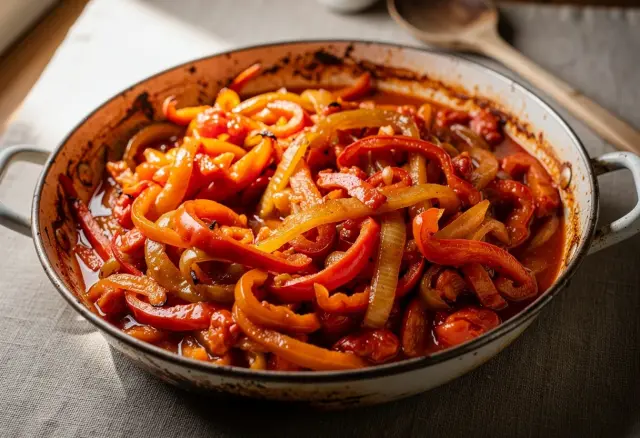
LecsóHungary’s summer pepper stew: sweet peppers and tomatoes melted down with golden onions and a generous spoon of sweet paprika.
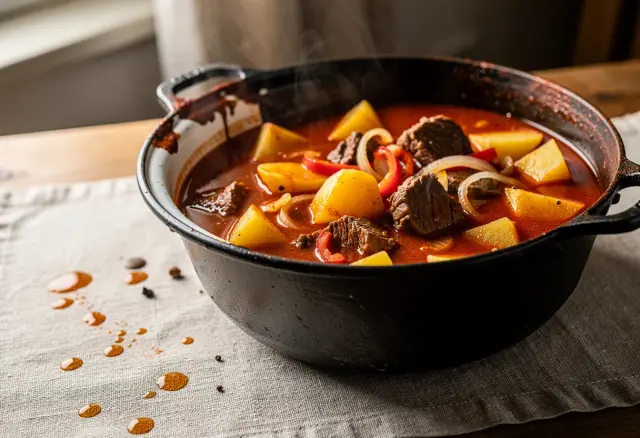
Gulyás (Herdsman’s Goulash)The original goulash: a paprika-red beef and vegetable soup-stew born over open fires on the Hungarian plain.
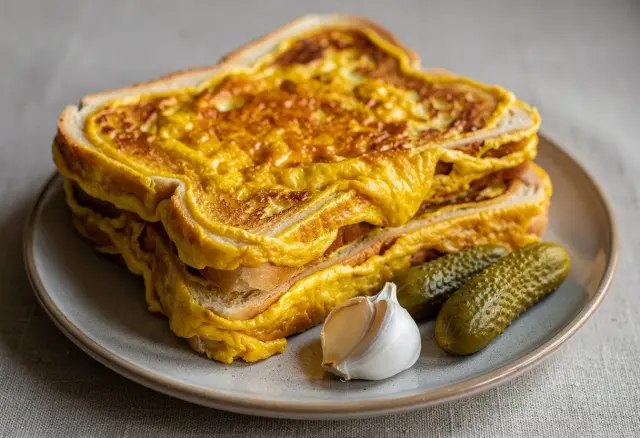
BundáskenyérHungarian "fur-coat bread", slices dipped in seasoned egg and milk and fried golden.
Browse all Hungary recipes →
Good to know
You’ll need: Pot or saucepan.
Storing it: Best fresh. Leftovers keep 2 days refrigerated; loosen with a splash of water or oil as you reheat so they do not clump.
Make it a Hungary meal
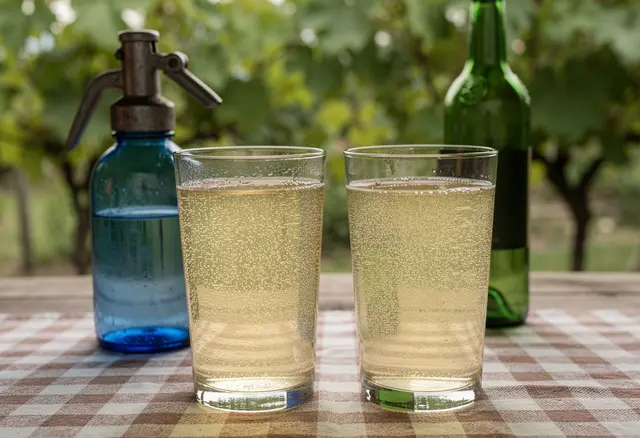
Fröccs (Hungarian Wine Spritzer)Drink
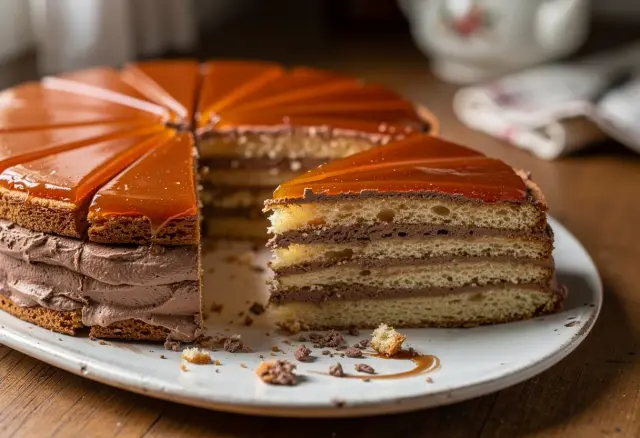
Dobos TorteDessert
Similar dishes from around the world
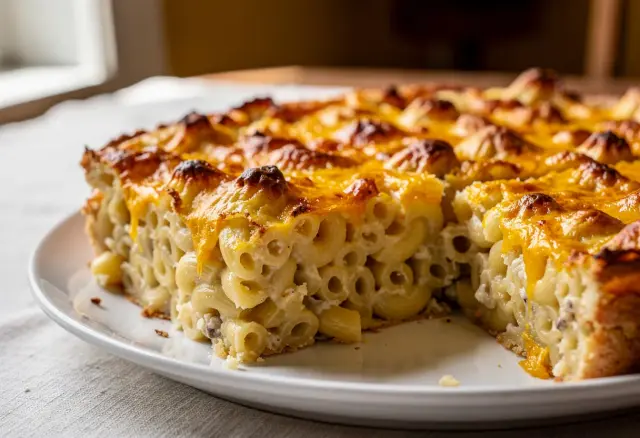
Macaroni PieBarbados
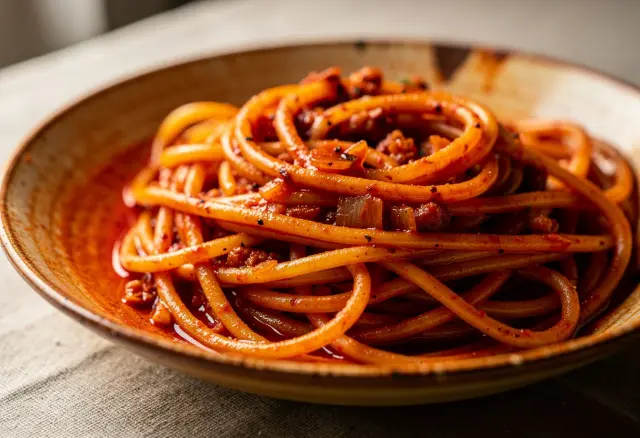
Pasta al Sugo e BerbereEritrea

Trofie al Pesto GenoveseItaly
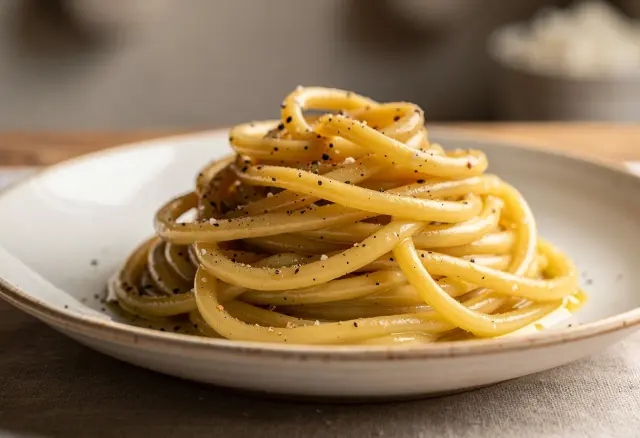
Cacio e PepeItaly
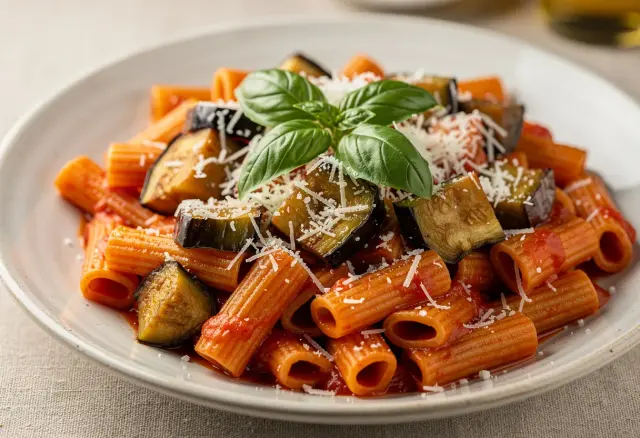
Pasta alla NormaItaly
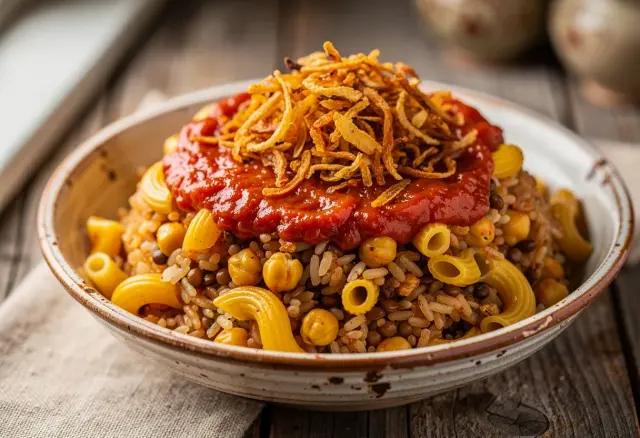
KoshariEgypt
Cuisine
Diet
Frequently asked questions
What is Nokedli (Hungarian Egg Dumplings)?
Soft little dumplings of flour, egg and water dropped through a nokedli grater into boiling salted water, the indispensable side for chicken paprikash and pörkölt.
Where does Nokedli (Hungarian Egg Dumplings) come from?
Nokedli (Hungarian Egg Dumplings) is a Hungarian dish from Great Hungarian Plain, Hungary.
Can Nokedli (Hungarian Egg Dumplings) be made vegan, gluten-free, or dairy-free?
This Nokedli (Hungarian Egg Dumplings) recipe includes substitution suggestions for vegetarian, vegan, gluten-free, dairy-free, nut-free, egg-free, and pork-free versions. Treat the substitutions as a starting guide rather than a guarantee, and see the allergen note below.
Is Nokedli (Hungarian Egg Dumplings) safe for people with food allergies?
Our dietary labels and substitutions are a cooking guide, not medical or allergen-safety advice. We track dairy, egg, gluten, tree nuts and peanuts (we still count coconut as a tree nut to be cautious, although the FDA stopped listing it as one in 2025), fish, and shellfish, but we do not screen for sesame, soy, mustard, celery, or sulphites. If you have a food allergy, always read the label on every product you use, and remember a home or commercial kitchen can cross-contaminate ingredients in ways a recipe cannot control.
How long does Nokedli (Hungarian Egg Dumplings) take to make?
About 20 minutes total (10 minutes prep, 10 minutes cooking), serving 4.
Get the Sunday Spin
One dish from somewhere in the world, in your inbox every Sunday. No spam, just dinner inspiration you can cook that day.