
🥗 STARTER
Tzatziki (Greek Garlic Yogurt and Cucumber Dip)
Thick strained yogurt beaten with salted, squeezed cucumber, raw garlic, olive oil and a splash of red wine vinegar, chilled and scooped up with warm bread.
Greek · easy · serves 6
prep 15 min · cook 0 min · plus 1 h hands-off time
~122 cal · 3g protein · 7g carbs · 9g fat · 0g fiber · 5g sugars · 3g sat fat (estimated, per serving)
↓ Jump to Recipe
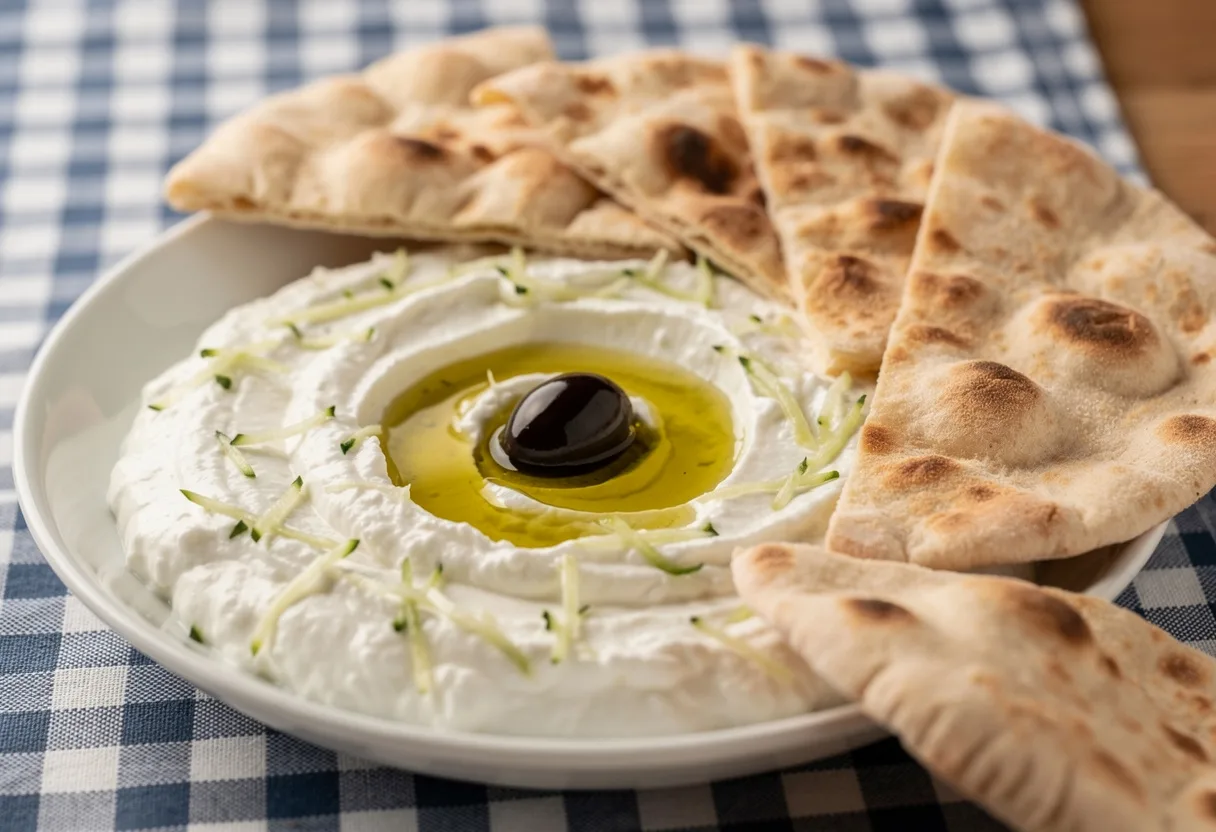
AI-generated illustration
Tzatziki is on the table at almost every Greek taverna meal, a bowl of thick, cold, garlicky yogurt that is eaten as a meze with bread, spooned beside grilled souvlaki and chops, and folded into pita with gyros. It belongs to a family of yogurt and cucumber dishes found across the Balkans and the eastern Mediterranean, from Turkish cacık to Bulgarian tarator, but the Greek version is the thickest of them, made with strained yogurt so it holds its shape on a fork.
The method is simple and the details matter. The cucumber is grated, salted and squeezed hard so it does not water the yogurt down; the garlic is raw and generous; and olive oil and a little red wine vinegar are beaten in at the end. Many Greek cooks leave out herbs altogether, while others add a little dill or mint, and every family holds firm opinions about which is right.
Tzatziki is always better after an hour or more in the fridge, when the garlic has softened and spread through the yogurt.
Saved recipes and passport stamps are kept on this device. Sign in to keep them across your devices and leave reviews.
Make it yours
✓ Naturally vegetarian and gluten-, nut-, egg- and pork-free. No swaps needed.
Toggle a diet and the ingredients rewrite themselves with regional substitutes.
🥕 Vegetarian
🌱 Vegan
🌾 Gluten-Free
🥛 Dairy-Free
🥜 Nut-Free
🥚 Egg-Free
🐖 Pork-Free
Dietary labels are a cooking guide, not allergen-safety advice. We track dairy, egg, gluten, tree nuts and peanuts (we count coconut as a tree nut, following FDA labeling), fish, and shellfish; we do not screen for sesame, soy, mustard, celery, or sulphites. If you have a food allergy, read the label on every product you use, and note that a kitchen can cross-contaminate in ways a recipe cannot control.
Ingredients
US
Metric
Serves 6
- 500 g strained Greek yogurt, full-fat
- 1 medium (about 250 g) cucumber
- 3/4 tsp fine salt
- 2 to 3 cloves garlic, finely grated or crushed
- 3 tbsp extra-virgin olive oil, plus a little to finish
- 1 tbsp red wine vinegar
- a pinch black pepper
- 1 tbsp fresh dill, finely chopped, optional; many Greek cooks leave it out
Instructions
- 1Grate the cucumber on the coarse side of a box grater, with or without the skin. Toss with 1/4 tsp of the salt in a sieve and leave for 10 to 15 minutes.
- 2Take the cucumber up in handfuls, or wrap it in a clean cloth, and squeeze out as much water as you can.✎ Chef’s noteThis is the step that decides the texture. Wet cucumber turns tzatziki thin and runny within an hour.
- 3Crush the garlic to a paste with the rest of the salt and a pinch of pepper. Beat it into the yogurt, then stir in the squeezed cucumber.
- 4Beat in the olive oil and vinegar a little at a time, alternating between them, until smooth and glossy. Add the dill now if you are using it.
- 5Cover and chill for at least 1 hour so the garlic mellows and spreads through. Serve cold with a thread of olive oil on top, with warm bread or pita, or beside grilled meat.
Greek taverna and home tradition.
Ratings & reviews
Cooked it? Rate this dish:
No account needed. Sign in to leave a full review with a comment.
Cooked it?
Kept on this device, no account needed. Sign in to leave a review and keep your passport across your devices.
No reviews yet, be the first to cook it.
🌏 While it simmers, know your destination
📍
Attica (Athens). The taverna table is organised by sharing rather than by courses. Small plates arrive as they are ready, bread and oil stay put throughout, and the meal stretches because nobody gets an individual portion of anything. Horta, wild greens boiled and dressed with oil and lemon, turns up beside almost everything.
🗺️
Greece. Two things worth keeping straight. Moussaka's bechamel top is not classical at all but an addition by the chef Nikolaos Tselementes in the 1920s, and the word itself is Arabic. Feta holds an EU protected designation of origin restricted to particular Greek regions and must be at least seventy per cent sheep's milk, so the name is a legal category, not a style.
🌍
Europe. A surprising amount of European cooking is under five hundred years old. Tomatoes, potatoes, peppers, maize, beans and chocolate all crossed from the Americas after 1492, and none of them was trusted quickly: the potato took most of the eighteenth century to be accepted as food rather than animal fodder across much of the north.
The story behind this dish is up top, worth a read while the pot works.
More from Greece

Gemista (Stuffed Summer Vegetables)Tomatoes and peppers baked slowly around an herbed rice filling, with potatoes roasting in the juices.

MoussakaLayers of eggplant and cinnamon-scented lamb under a deep duvet of béchamel, baked bronze.
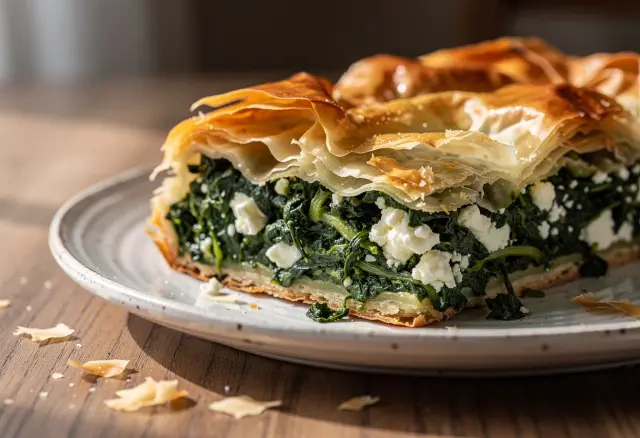
SpanakopitaSpinach, herbs, and feta folded into shatteringly crisp phyllo, northern Greece’s classic greens pie.
Browse all Greece recipes →
Good to know
Storing it: Best assembled just before serving. Prep the components ahead and dress at the last moment so it stays crisp.
Make it a Greece meal

Ellinikós Kafés (Greek Coffee)Drink

GalaktobourekoDessert
Similar dishes from around the world

Eetch (Armenian Tomato and Bulgur Salad)Armenia
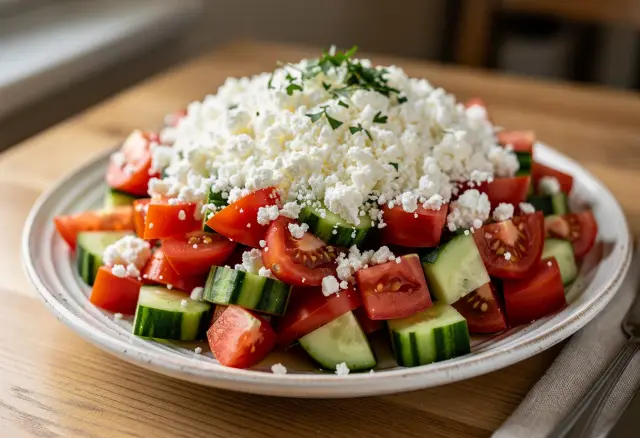
Shopska SalataBulgaria
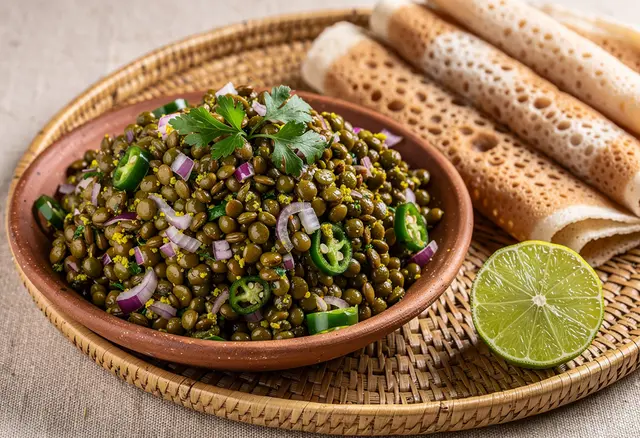
Azifa (Ethiopian Green Lentil Salad)Ethiopia

Som Tam (Green Papaya Salad)Thailand
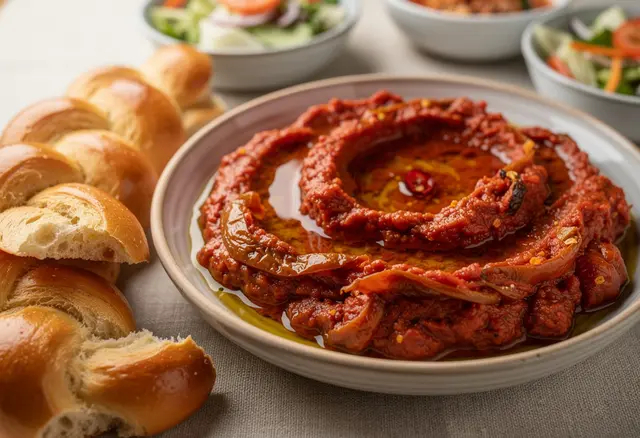
Matbucha (Cooked Tomato and Pepper Salad)Israel
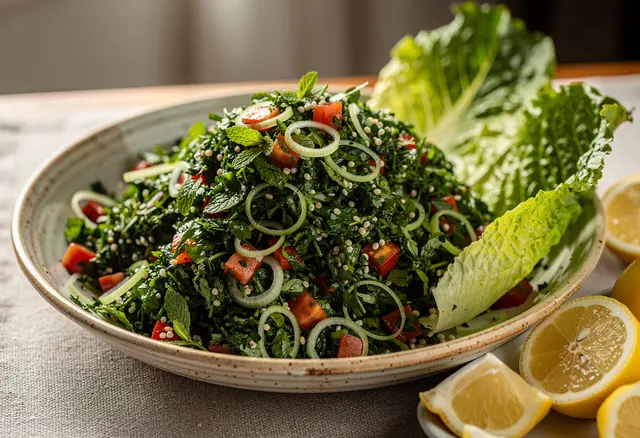
Tabbouleh (Lebanese Parsley and Bulgur Salad)Lebanon
Cuisine
Diet
Frequently asked questions
What is Tzatziki (Greek Garlic Yogurt and Cucumber Dip)?
Thick strained yogurt beaten with salted, squeezed cucumber, raw garlic, olive oil and a splash of red wine vinegar, chilled and scooped up with warm bread.
Where does Tzatziki (Greek Garlic Yogurt and Cucumber Dip) come from?
Tzatziki (Greek Garlic Yogurt and Cucumber Dip) is a Greek dish from Attica (Athens), Greece.
Can Tzatziki (Greek Garlic Yogurt and Cucumber Dip) be made vegan, gluten-free, or dairy-free?
This Tzatziki (Greek Garlic Yogurt and Cucumber Dip) recipe includes substitution suggestions for vegetarian, vegan, gluten-free, dairy-free, nut-free, egg-free, and pork-free versions. Treat the substitutions as a starting guide rather than a guarantee, and see the allergen note below.
Is Tzatziki (Greek Garlic Yogurt and Cucumber Dip) safe for people with food allergies?
Our dietary labels and substitutions are a cooking guide, not medical or allergen-safety advice. We track dairy, egg, gluten, tree nuts and peanuts (we still count coconut as a tree nut to be cautious, although the FDA stopped listing it as one in 2025), fish, and shellfish, but we do not screen for sesame, soy, mustard, celery, or sulphites. If you have a food allergy, always read the label on every product you use, and remember a home or commercial kitchen can cross-contaminate ingredients in ways a recipe cannot control.
How long does Tzatziki (Greek Garlic Yogurt and Cucumber Dip) take to make?
About 1 h 15 min in all: 15 minutes prep and 0 minutes cooking, plus 1 h of hands-off waiting the method needs, serving 6.
Get the Sunday Spin
One dish from somewhere in the world, in your inbox every Sunday. No spam, just dinner inspiration you can cook that day.