North America → Curaçao → Willemstad

🥤 DRINK
Awa di Lamunchi
Curaçao's everyday limeade: fresh lime juice, sugar, and water over ice, still or sparkling, the island's go-to cooler.
Curaçaoan · easy · serves 4
prep 5 min · cook 0 min
~51 cal · 0g protein · 15g carbs · 0g fat · 1g fiber · 10g sugars · 0g sat fat (estimated, per serving)
↓ Jump to Recipe
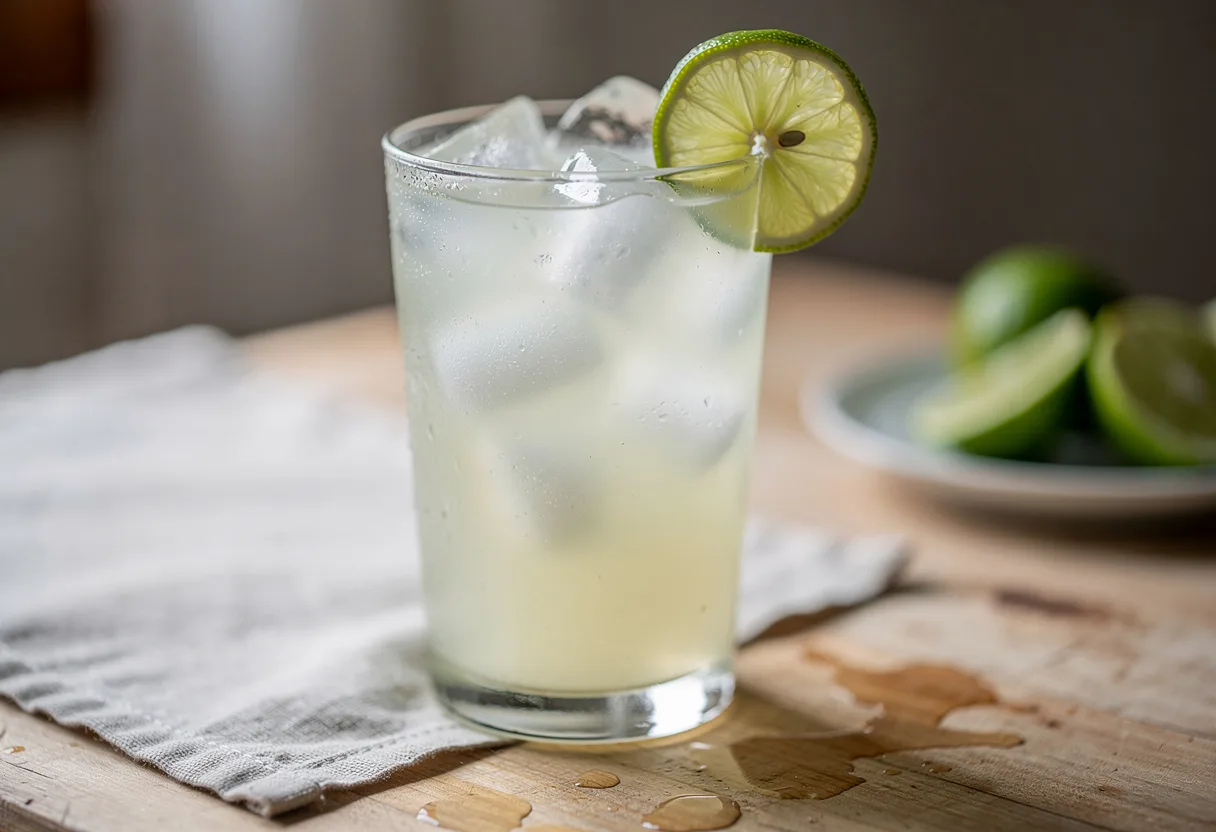
AI-generated illustration
Awa di lamunchi is the everyday drink of Curaçao, so common that you can order it almost anywhere on the island and everyone knows exactly what you mean. The name is a little linguistic map of the island itself: awa means water, from Spanish agua, and lamunchi means lime, from the Dutch limoentje, the two languages folded together in Papiamentu.
It could not be simpler: fresh lime juice, sugar or a little cane syrup, and water, still or sparkling, poured over plenty of ice. Sweet and tangy in balance, it is the natural, unartificial answer to the island's heat, and locals happily call it Curaçao's national drink even if no law says so.
Where the world knows Curaçao for the bright blue orange liqueur that bears its name, at home the islanders reach for this humble limeade. Cheap, refreshing, and endlessly adjustable, awa di lamunchi tastes like a Curaçao afternoon.
Saved recipes and passport stamps are kept on this device. Sign in to keep them across your devices and leave reviews.
Make it yours
✓ Naturally vegetarian, vegan and gluten-, dairy-, egg-, nut- and pork-free. No swaps needed.
Toggle a diet and the ingredients rewrite themselves with regional substitutes.
🥕 Vegetarian
🌱 Vegan
🌾 Gluten-Free
🥛 Dairy-Free
🥜 Nut-Free
🥚 Egg-Free
🐖 Pork-Free
Dietary labels are a cooking guide, not allergen-safety advice. We track dairy, egg, gluten, tree nuts and peanuts (we count coconut as a tree nut, following FDA labeling), fish, and shellfish; we do not screen for sesame, soy, mustard, celery, or sulphites. If you have a food allergy, read the label on every product you use, and note that a kitchen can cross-contaminate in ways a recipe cannot control.
Ingredients
US
Metric
Serves 4
- from 3 limes fresh lime juice
- 3 tbsp sugar, or cane syrup, or to taste
- 3 1/2 cups cold water, still or sparkling
- to serve ice
- a few lime slices, to garnish
Instructions
- 1Stir the lime juice and sugar together with a splash of the water until the sugar fully dissolves.
- 2Top up with the rest of the water, still for a lemonade or sparkling for a lime soda.
- 3Taste and adjust with more sugar if it is too sharp, or more lime if too sweet.
- 4Pour over ice, garnish with lime slices, and serve.
Willemstad tradition.
Ratings & reviews
Cooked it? Rate this dish:
No account needed. Sign in to leave a full review with a comment.
Cooked it?
Kept on this device, no account needed. Sign in to leave a review and keep your passport across your devices.
No reviews yet, be the first to cook it.
🌏 While it simmers, know your destination
📍
Willemstad. Funchi is the cornmeal that goes under everything, stirred stiff and turned out of the pan, and Papiamento names most of the rest: stoba for the stews, karni stoba with beef, kabritu stoba with goat. The island is dry and small, so the sea, the salt cod trade and the Dutch pantry did the supplying.
🗺️
Curaçao. The ABC islands sit in the southern Caribbean dry zone and get around sixty centimetres of rain a year, which is closer to a desert than to the wet tropics further north. That is why so much of the pantry keeps or arrives by ship, hard Dutch cheese and salt cod among it, and why funchi, a stiff cornmeal, does the work of a starch that does not need irrigating.
🌍
North America. North America's table began with Indigenous foodways, the "three sisters" of corn, beans, and squash, plus chiles, tomatoes, and cacao, then layered on colonial, African, and immigrant influences. From Mexico's UNESCO-recognized cuisine to the Cajun and Creole pots of Louisiana and the fiery jerk of the Caribbean, the region turns ancient staples into something new. Barbecue, tacos, gumbo, and mole all carry stories of migration and adaptation.
The story behind this dish is up top, worth a read while the pot works.
More from Curaçao
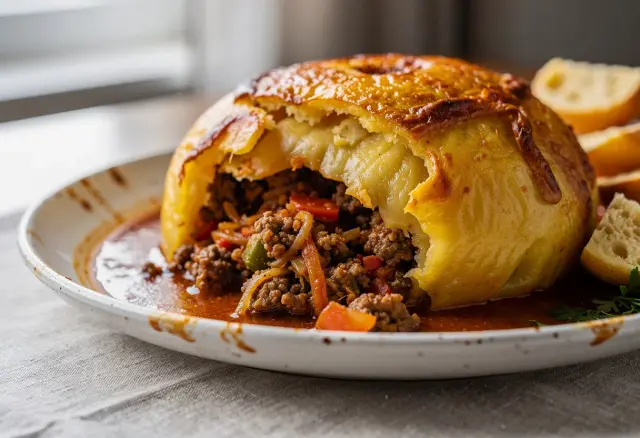
Keshi YenaA shell of Edam or Gouda cheese stuffed with spiced chicken, olives, capers, and raisins, then baked until molten.
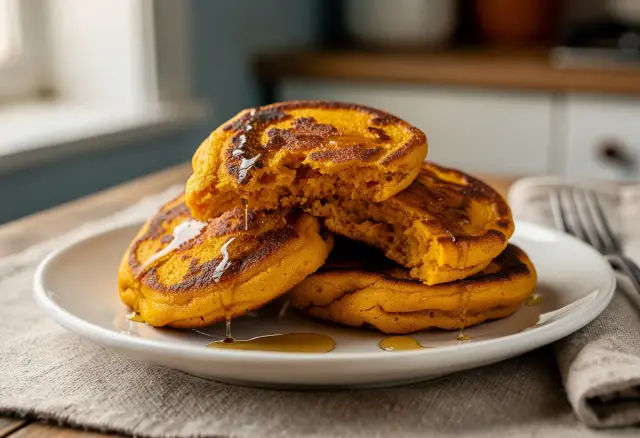
Arepa di PampunaSweet Curaçaoan pumpkin pancakes, spiced with cinnamon and anise and fried until lacy-edged, a Dutch-Caribbean morning treat.
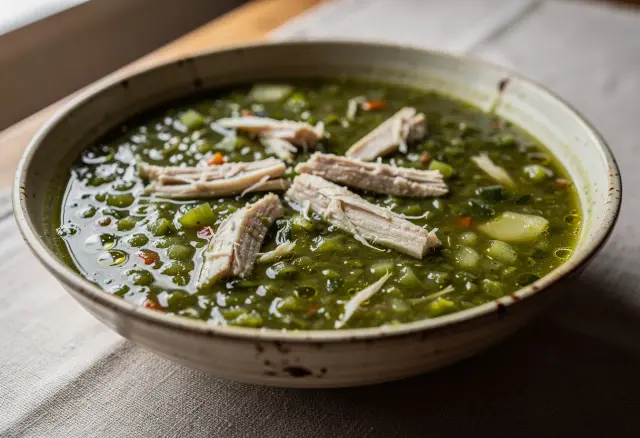
KadushiA thick, green cactus soup with salted fish and okra, a truly local Curaçaoan dish born of the arid island.
Browse all Curaçao recipes →
Good to know
Storing it: Keep chilled and covered, and enjoy within 2 to 3 days.
Make it a Curaçao meal
Keshi YenaDinner
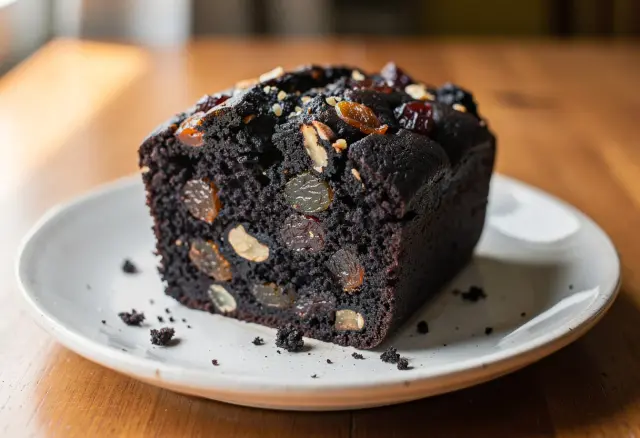
Bolo PretuDessert
Similar dishes from around the world
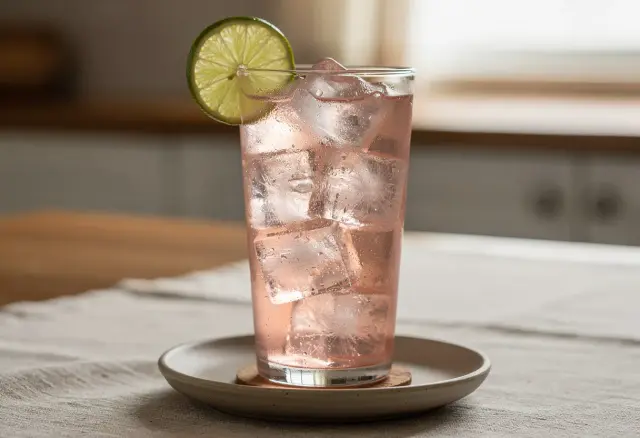
Lemon, Lime and BittersAustralia
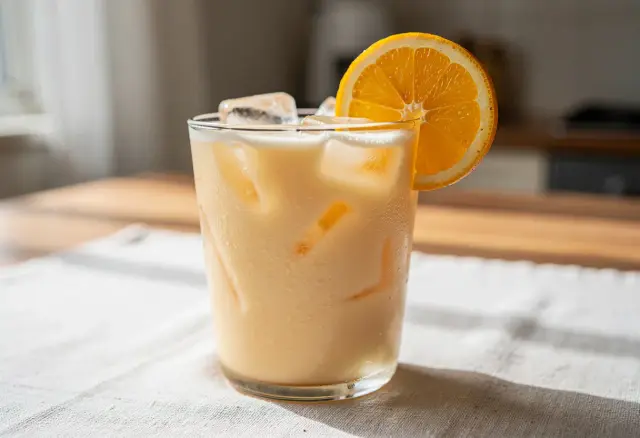
Morir SoñandoDominican Republic
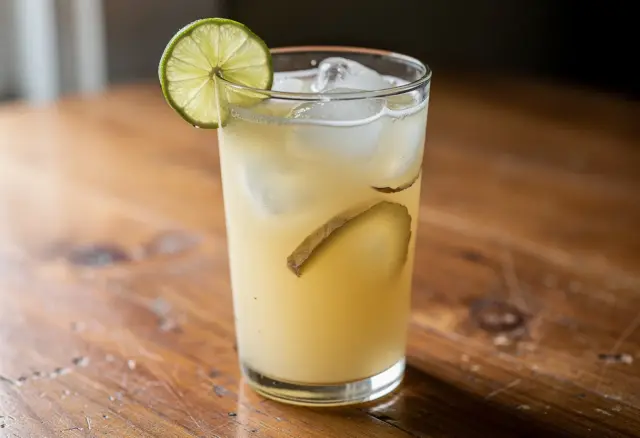
Ginger BeerAntigua and Barbuda
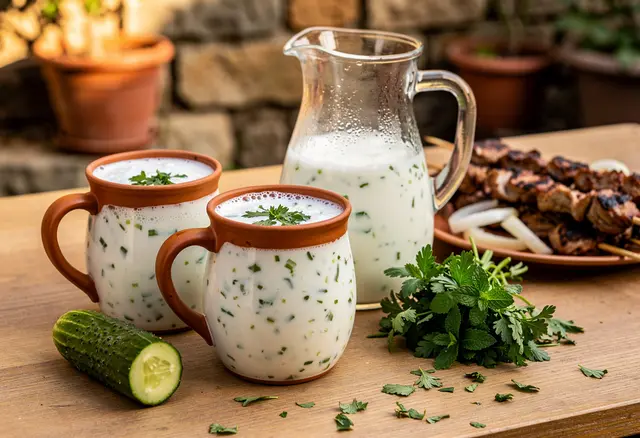
Tan (Armenian Herbed Yogurt Drink)Armenia
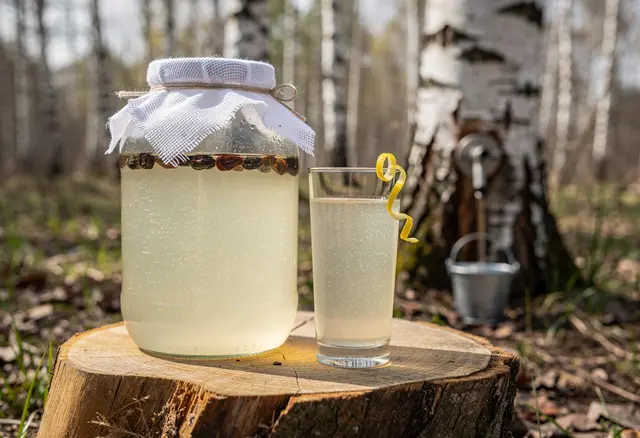
Biarozavik (Belarusian Fermented Birch Sap)Belarus
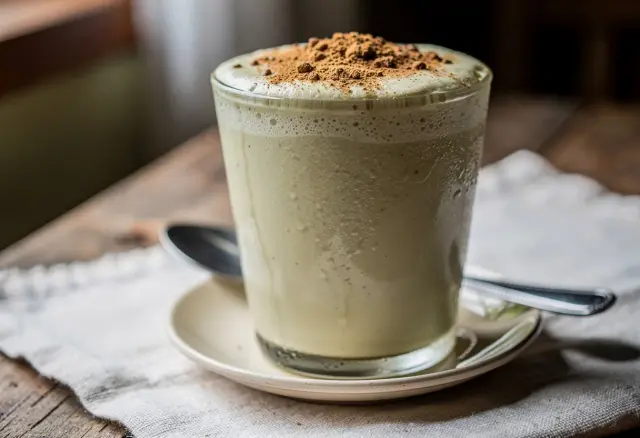
Seaweed ShakeBelize
Drinks
Frequently asked questions
What is Awa di Lamunchi?
Curaçao's everyday limeade: fresh lime juice, sugar, and water over ice, still or sparkling, the island's go-to cooler.
Where does Awa di Lamunchi come from?
Awa di Lamunchi is a Curaçaoan dish from Willemstad, Curaçao.
Can Awa di Lamunchi be made vegan, gluten-free, or dairy-free?
This Awa di Lamunchi recipe includes substitution suggestions for vegetarian, vegan, gluten-free, dairy-free, nut-free, egg-free, and pork-free versions. Treat the substitutions as a starting guide rather than a guarantee, and see the allergen note below.
Is Awa di Lamunchi safe for people with food allergies?
Our dietary labels and substitutions are a cooking guide, not medical or allergen-safety advice. We track dairy, egg, gluten, tree nuts and peanuts (we still count coconut as a tree nut to be cautious, although the FDA stopped listing it as one in 2025), fish, and shellfish, but we do not screen for sesame, soy, mustard, celery, or sulphites. If you have a food allergy, always read the label on every product you use, and remember a home or commercial kitchen can cross-contaminate ingredients in ways a recipe cannot control.
How long does Awa di Lamunchi take to make?
About 5 minutes total (5 minutes prep, 0 minutes cooking), serving 4.
Get the Sunday Spin
One dish from somewhere in the world, in your inbox every Sunday. No spam, just dinner inspiration you can cook that day.