South America → Brazil → Bahia

🥗 STARTER
Casquinha de Siri (Brazilian Stuffed Crab Shells)
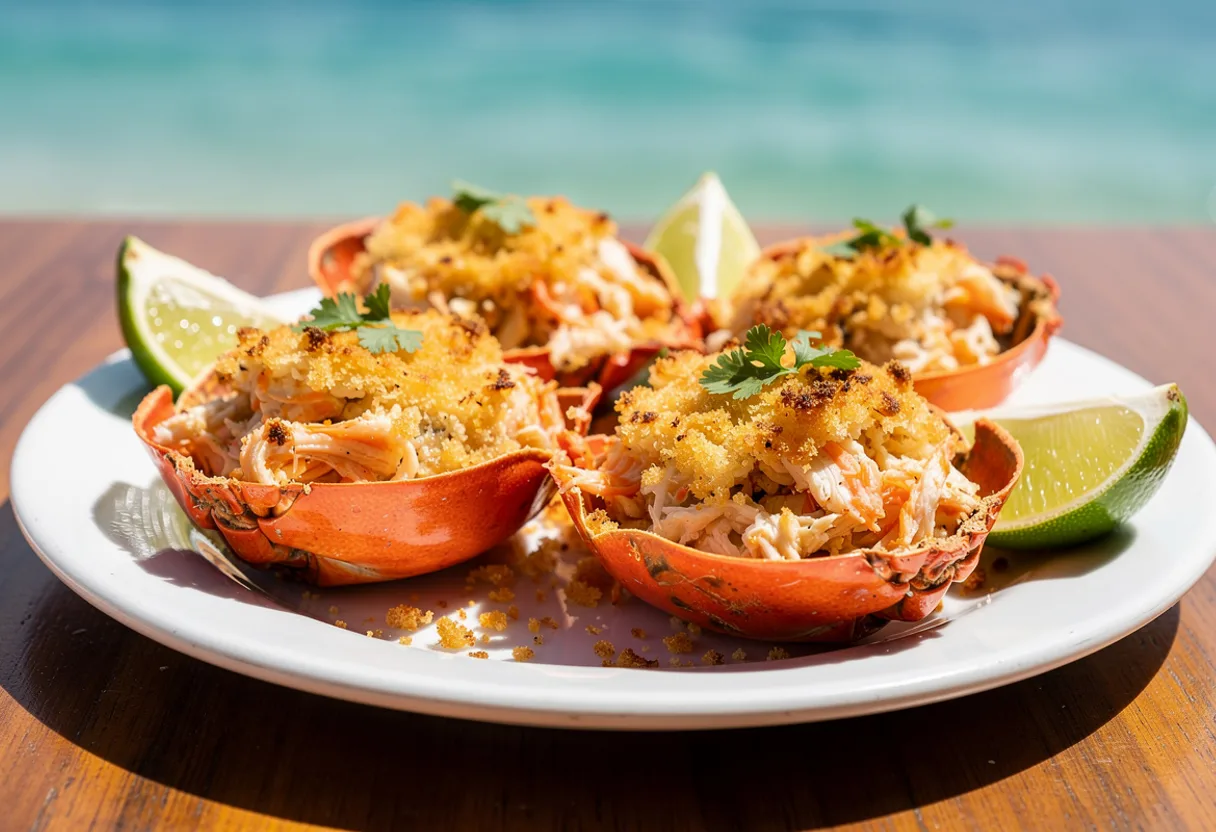
Crab meat cooked down with onion, tomato, pepper, a touch of dendê oil and coconut milk, spooned back into shells, topped with breadcrumbs and Parmesan and baked until crisp.
Brazilian (Bahian) · medium · serves 6
prep 25 min · cook 30 min
~290 cal · 20g protein · 14g carbs · 18g fat · 2g fiber · 4g sugars · 10g sat fat (estimated, per serving)
↓ Jump to Recipe
AI-generated illustration
Casquinha de siri is a starter found all along Brazil's coastline: shredded crab meat sautéed with onion, tomato and pepper, bound with and a little bread, packed into crab shells or small dishes, and baked under a crust of breadcrumbs and grated cheese. It is served as the entrada in seafood restaurants and as a petisco at beach bars.
Its exact origin is uncertain, and recipes change from region to region. In the Northeast the filling is soft and rich with and dendê, the orange of Bahian cooking; the Southeast version is drier and firmer, often set with egg yolk. Some cooks add a splash of cognac, or shrimp alongside the crab.
Siri is the Brazilian swimming crab. Outside Brazil, use good cooked crab meat, picked over for bits of shell, and scallop shells or small ramekins if you have no crab shells.
Saved recipes and passport stamps are kept on this device. Sign in to keep them across your devices and leave reviews.
Make it yours
✓ Naturally egg- and pork-free. No swaps needed.
Toggle a diet and the ingredients rewrite themselves with regional substitutes.
🥕 Vegetarian
🌱 Vegan
🌾 Gluten-Free
🥛 Dairy-Free
🥜 Nut-Free
🥚 Egg-Free
🐖 Pork-Free
Dietary labels are a cooking guide, not allergen-safety advice. We track dairy, egg, gluten, tree nuts and peanuts (we count coconut as a tree nut, following FDA labeling), fish, and shellfish; we do not screen for sesame, soy, mustard, celery, or sulphites. If you have a food allergy, read the label on every product you use, and note that a kitchen can cross-contaminate in ways a recipe cannot control.
Ingredients
US
Metric
Serves 6
- 500 g cooked crab meat, picked over
- 2 tbsp olive oil
- 1 tbsp dendê (red )
- 1 onion, finely chopped
- 2 cloves garlic, crushed
- 1/2 red bell pepper, finely chopped
- 1 large ripe tomato, seeded and chopped
- 1 pimenta dedo-de-moça (red finger chili), seeded and chopped
- 200 ml
- 2 slices white sandwich bread, crusts removed
- 3 tbsp cilantro and chives, chopped
- 1/2 lime, juiced
- to taste salt and black pepper
- 3 tbsp dry breadcrumbs
- 3 tbsp Parmesan, finely grated, traditional Parmesan is made with animal rennet; strict vegetarians should use a vegetarian-rennet hard cheese
Instructions
- 1Heat the oven to 200C (400F). Pick through the crab meat once more with your fingers for any bits of shell or cartilage.
- 2Warm the olive oil and dendê in a frying pan over medium heat. Add the onion, garlic, bell pepper, tomato and chili and cook for about 5 minutes, stirring, until soft.
- 3Add the crab and stir for 3 minutes, then pour in the coconut milk, tear in the bread and cook for about 5 minutes more, stirring and mashing, until the mixture is thick and creamy rather than wet.
- 4Take the pan off the heat, stir in the herbs and lime juice and season with salt and pepper.
- 5Pack the filling into cleaned crab shells, scallop shells or small ramekins set on a baking tray. Mix the breadcrumbs with the Parmesan and scatter evenly over the top.
- 6Bake for about 15 minutes, until the top is golden and crisp. Serve hot, with lime wedges, as a starter.
Brazilian coastal tradition, Bahian style.
Ratings & reviews
Cooked it? Rate this dish:
No account needed. Sign in to leave a full review with a comment.
Cooked it?
Kept on this device, no account needed. Sign in to leave a review and keep your passport across your devices.
No reviews yet, be the first to cook it.
🌏 While it simmers, know your destination
📍
Bahia. Acaraje was a religious offering before it was street food: black-eyed pea fritters fried in dende, made in Candomble terreiros for the orixa Iansa, and only later carried out to the corners. The baianas who sell them in white lace and beads are a protected institution, their craft registered by IPHAN as Brazilian cultural heritage in 2004.
🗺️
Brazil. Cassava is the oldest thing on the Brazilian table, domesticated in South America long before the Portuguese arrived and still processed by Indigenous methods: grated, pressed, and toasted into the coarse farinha that becomes farofa, or settled out as the starch sold as tapioca. Even the poisonous liquid pressed from the root is boiled down into tucupi and used as a seasoning.
🌍
South America. Migration reworked the plate within living memory. Japanese arrivals in Peru and Brazil produced Nikkei cooking, Italians made pasta and pizza entirely ordinary in Argentina, Uruguay and Sao Paulo, and West African cooking carried into Bahia by the slave trade gave Brazil dende palm oil, okra and a whole ritual repertoire.
The story behind this dish is up top, worth a read while the pot works.
More from Brazil
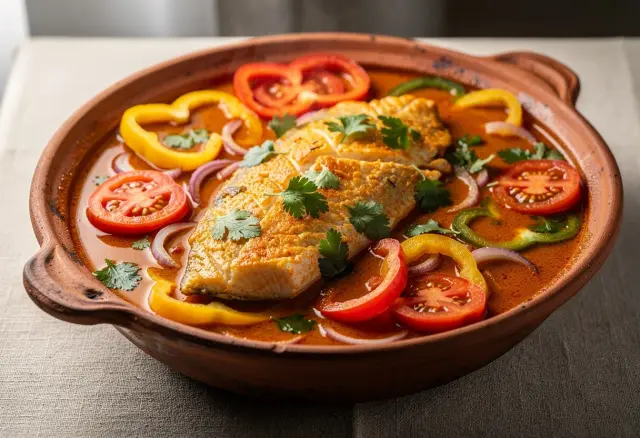
Moqueca Baiana (Bahian Fish Stew)Fish simmered in coconut milk, dendê palm oil, peppers, and lime in a clay pot, the taste of the Bahian coast.
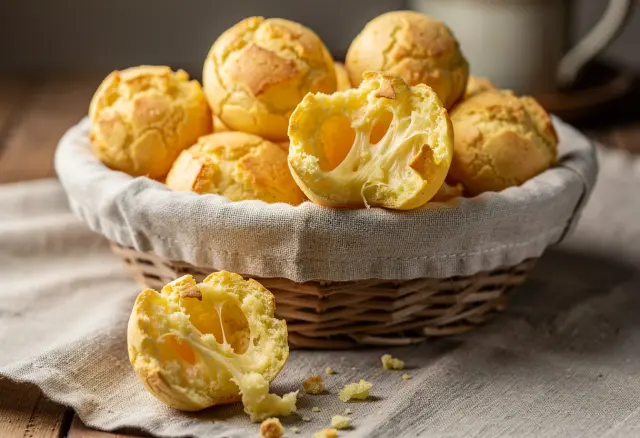
Pão de Queijo (Brazilian Cheese Puffs)Chewy-crisp little cheese breads made from tapioca starch, naturally gluten-free and dangerously poppable.
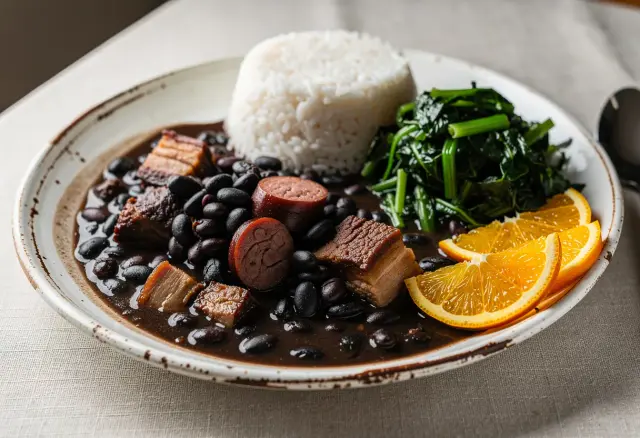
FeijoadaBrazil’s black-bean and smoked-meat feast, simmered for hours and served with rice, greens, orange, and farofa.
Browse all Brazil recipes →
Good to know
You’ll need: Skillet or frying pan, Oven.
Storing it: Keeps 3 to 4 days refrigerated and reheats covered in the oven. Most bakes can be assembled a day ahead and baked when needed.
Make it a Brazil meal
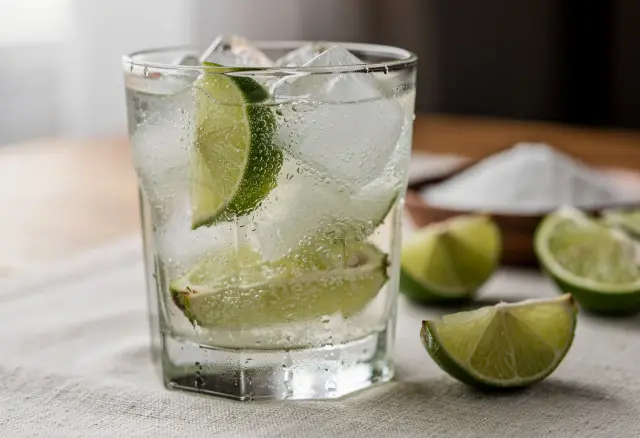
CaipirinhaDrink
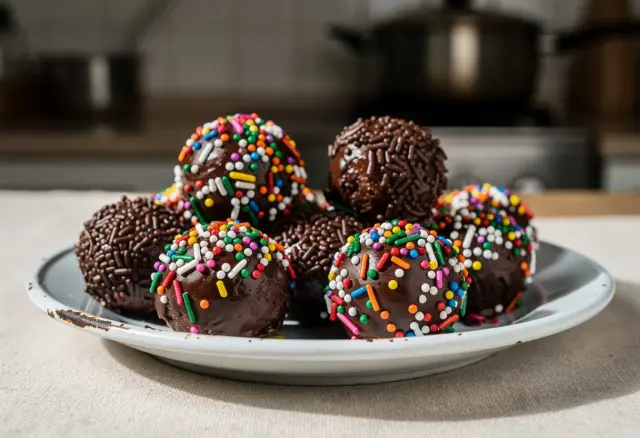
BrigadeiroDessert
Similar dishes from around the world
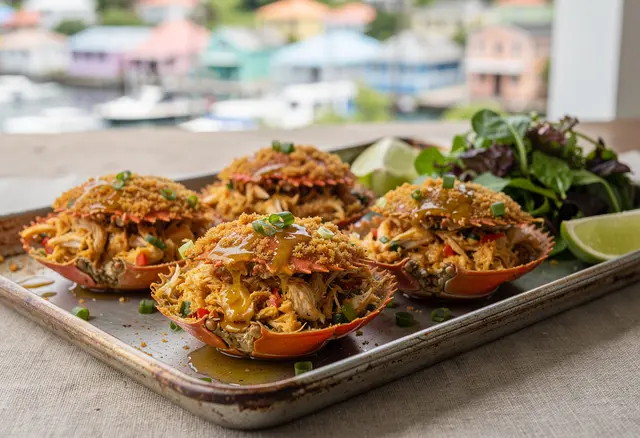
Crab Back (Grenadian Stuffed Crab Shells)Grenada
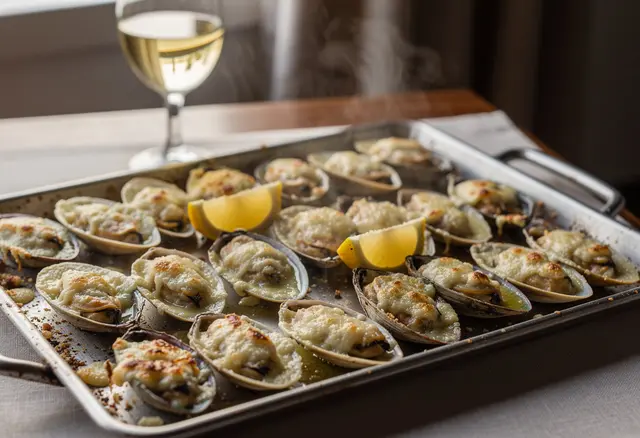
Machas a la Parmesana (Chilean Baked Clams with Parmesan)Chile
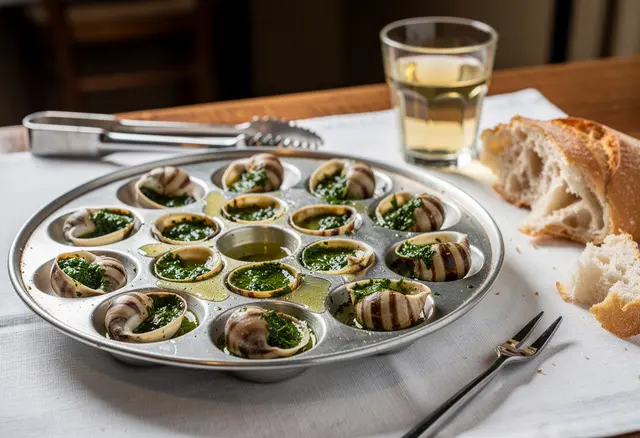
Escargots à la Bourguignonne (Snails in Garlic and Parsley Butter)France
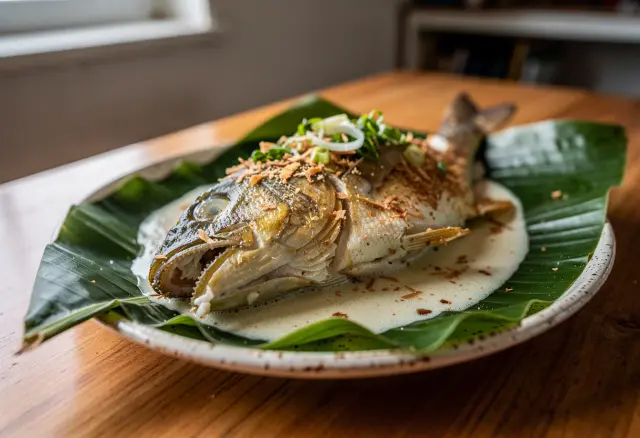
Fish Baked in Coconut and PandanusNauru
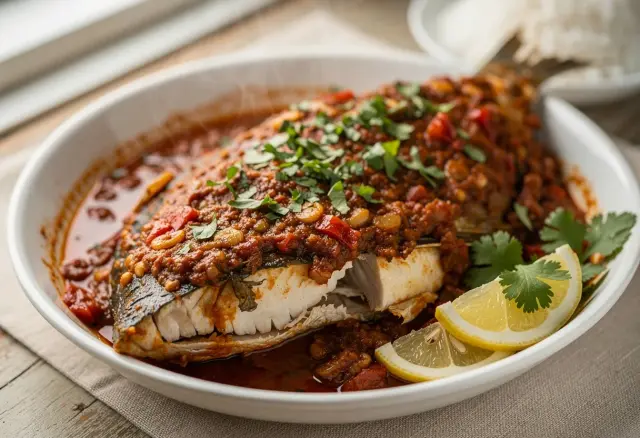
Bahraini Hammour with DaqqusBahrain
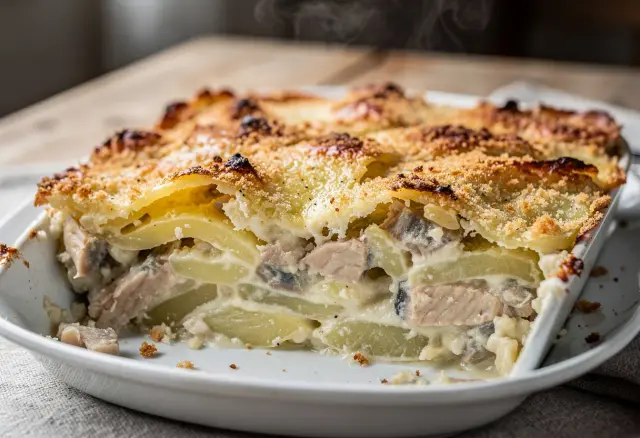
Janssons Frestelse (Jansson’s Temptation)Sweden
Frequently asked questions
What is Casquinha de Siri (Brazilian Stuffed Crab Shells)?
Crab meat cooked down with onion, tomato, pepper, a touch of dendê oil and coconut milk, spooned back into shells, topped with breadcrumbs and Parmesan and baked until crisp.
Where does Casquinha de Siri (Brazilian Stuffed Crab Shells) come from?
Casquinha de Siri (Brazilian Stuffed Crab Shells) is a Brazilian (Bahian) dish from Bahia, Brazil.
Can Casquinha de Siri (Brazilian Stuffed Crab Shells) be made vegan, gluten-free, or dairy-free?
This Casquinha de Siri (Brazilian Stuffed Crab Shells) recipe includes substitution suggestions for vegetarian, vegan, gluten-free, dairy-free, nut-free, egg-free, and pork-free versions. Treat the substitutions as a starting guide rather than a guarantee, and see the allergen note below.
Is Casquinha de Siri (Brazilian Stuffed Crab Shells) safe for people with food allergies?
Our dietary labels and substitutions are a cooking guide, not medical or allergen-safety advice. We track dairy, egg, gluten, tree nuts and peanuts (we still count coconut as a tree nut to be cautious, although the FDA stopped listing it as one in 2025), fish, and shellfish, but we do not screen for sesame, soy, mustard, celery, or sulphites. If you have a food allergy, always read the label on every product you use, and remember a home or commercial kitchen can cross-contaminate ingredients in ways a recipe cannot control.
How long does Casquinha de Siri (Brazilian Stuffed Crab Shells) take to make?
About 55 minutes total (25 minutes prep, 30 minutes cooking), serving 6.
Get the Sunday Spin
One dish from somewhere in the world, in your inbox every Sunday. No spam, just dinner inspiration you can cook that day.