
🍢 SNACK
Karantika (Algerian Chickpea Flan)
A thin chickpea-flour batter with cumin and oil, baked into a soft, custardy slab with a golden top, cut hot into squares and eaten in a baguette with harissa and more cumin.
Algerian · easy · serves 8
prep 10 min · cook 70 min · plus 30 min hands-off time
~258 cal · 10g protein · 30g carbs · 11g fat · 4g fiber · 4g sugars · 2g sat fat (estimated, per serving)
↓ Jump to Recipe
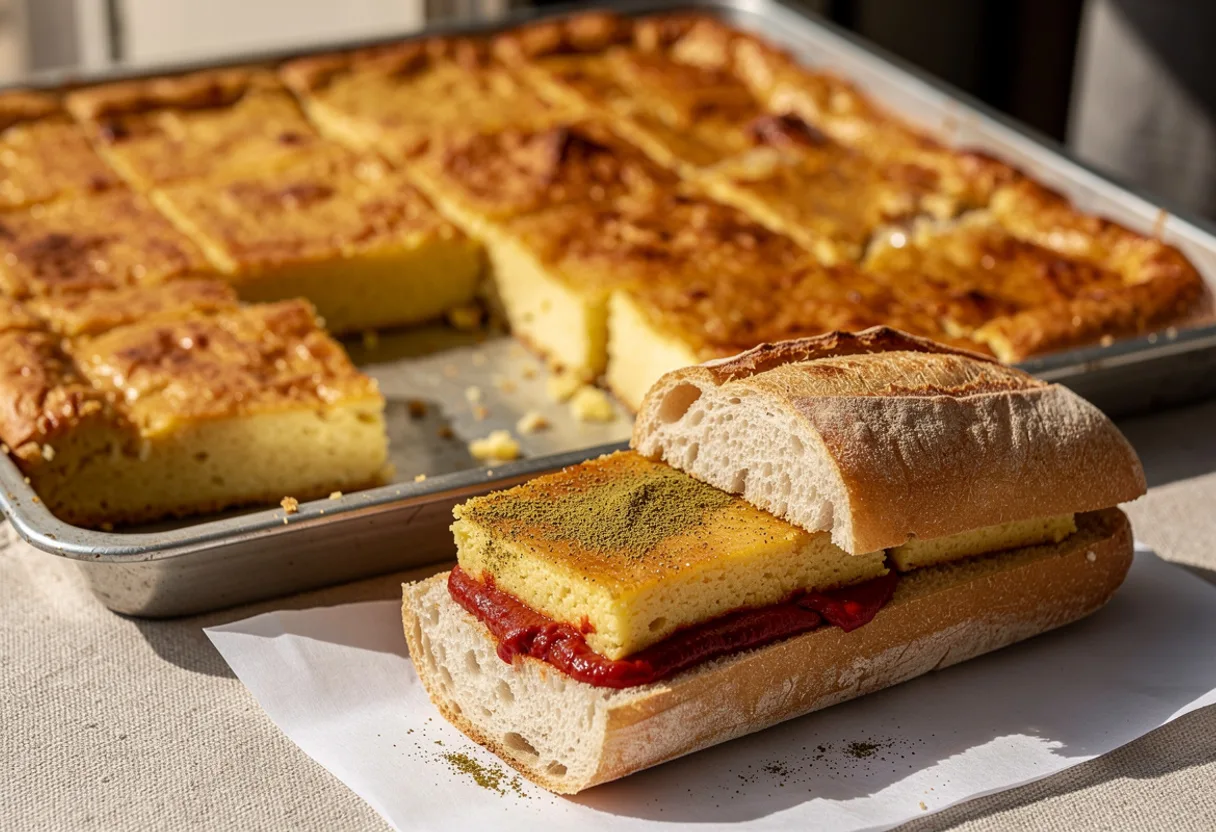
AI-generated illustration
Karantika, also called garantita, karan or calentita, is a street snack from Oran. Its names come from the Spanish caliente, hot, and the story told in Oran is that it was born in the city's Spanish period, when chickpeas and chickpea flour were all a besieged garrison had to eat. It later spread across Algeria and became one of its best-loved cheap snacks.
It is made from a very thin batter of chickpea flour, water, oil, salt and cumin, often with egg, rested so the flour can hydrate, then poured into a big oiled tray and baked. In the oven it sets into two layers: a soft, flan-like base and a creamier top under a golden, lightly crisp skin.
Street sellers cut it hot from the tray. It is eaten as it is, sprinkled with salt, pepper and cumin, or, the Algerian way, pressed into half a baguette with .
Saved recipes and passport stamps are kept on this device. Sign in to keep them across your devices and leave reviews.
Make it yours
✓ Naturally vegetarian and dairy-, nut- and pork-free. No swaps needed.
Toggle a diet and the ingredients rewrite themselves with regional substitutes.
🥕 Vegetarian
🌱 Vegan
🌾 Gluten-Free
🥛 Dairy-Free
🥜 Nut-Free
🥚 Egg-Free
🐖 Pork-Free
Dietary labels are a cooking guide, not allergen-safety advice. We track dairy, egg, gluten, tree nuts and peanuts (we count coconut as a tree nut, following FDA labeling), fish, and shellfish; we do not screen for sesame, soy, mustard, celery, or sulphites. If you have a food allergy, read the label on every product you use, and note that a kitchen can cross-contaminate in ways a recipe cannot control.
Ingredients
US
Metric
Serves 8
- 200 g (about 1 3/4 cups) chickpea flour
- 1 litre (4 cups) water
- 2 eggs
- 60 ml (1/4 cup) olive or vegetable oil, plus more for the tray
- 1 1/2 tsp salt
- 1 tsp ground cumin, plus more to serve
- to taste black pepper
- 1 or 2 baguette, to serve
- to taste , to serve
Instructions
- 1Whisk the eggs with the oil, salt, cumin and pepper. Put the chickpea flour in a large bowl and gradually whisk in the egg mixture, then the water, a little at a time, until you have a smooth, very thin batter with no lumps.
- 2Cover and leave the batter to rest for 30 minutes so the flour hydrates.
- 3Heat the oven to 180°C (350°F). Oil a baking tray about 22 x 33 cm generously and put it in the oven for a few minutes to heat.
- 4Stir the batter, pour it into the hot tray and bake for 60 to 75 minutes, until set with a golden, lightly crisp top.✎ Chef’s noteIt will still wobble a little when it comes out; it firms as it cools slightly.
- 5Cut into squares while hot. Eat sprinkled with cumin and salt, or tucked into a split baguette with harissa.
Oran street-food tradition.
Ratings & reviews
Cooked it? Rate this dish:
No account needed. Sign in to leave a full review with a comment.
Cooked it?
Kept on this device, no account needed. Sign in to leave a review and keep your passport across your devices.
No reviews yet, be the first to cook it.
🌏 While it simmers, know your destination
📍
Algiers. Algiers cooks Mediterranean-Maghreb food, couscous, chorba soup, and dolma, brightened by fresh vegetables and olive oil. French, Berber, and Ottoman layers meet in the white capital.
🗺️
Algeria. Algerian cooking is the largest of the Maghreb, built on couscous, slow-simmered tagine-style stews, and Mediterranean produce. French, Berber, and Ottoman influences layer over a table generous with lamb, chickpeas, and semolina.
🌍
Africa. The structure repeats across most of the continent: one starch and one sauce. A grain or root is cooked stiff, torn or rolled by hand, and used to carry a stew of leaves, groundnut, okra or fish, usually from a shared bowl and with the right hand. UNESCO listings have followed that logic, inscribing couscous in 2020 as a shared Maghreb tradition and Ivorian attieke in 2024.
The story behind this dish is up top, worth a read while the pot works.
More from Algeria
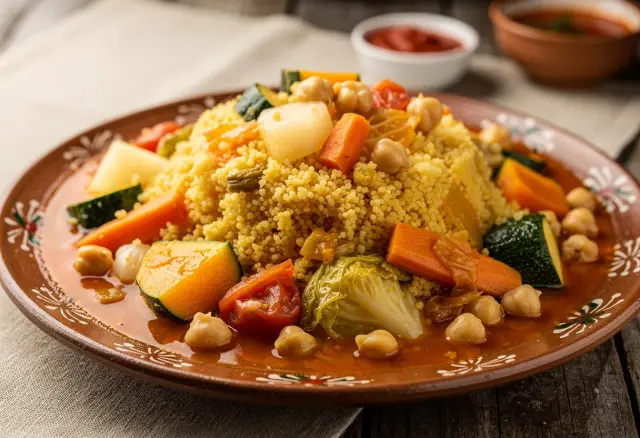
Friday Couscous with Seven VegetablesSteamed couscous under a saffron-tinted vegetable stew, the meal that gathers Algerian families every Friday.
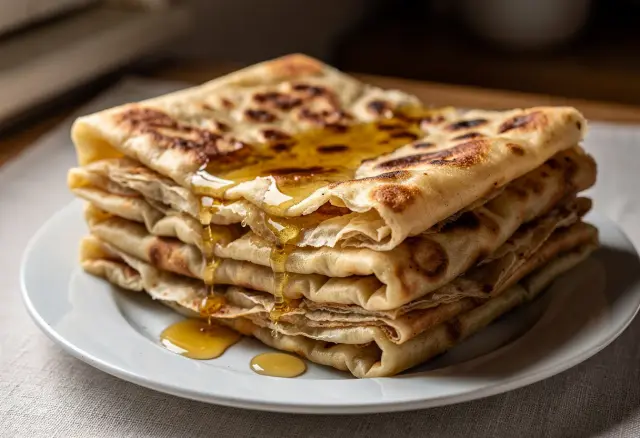
MsemenFlaky square semolina flatbreads folded in layers and griddled, served with honey or jam.
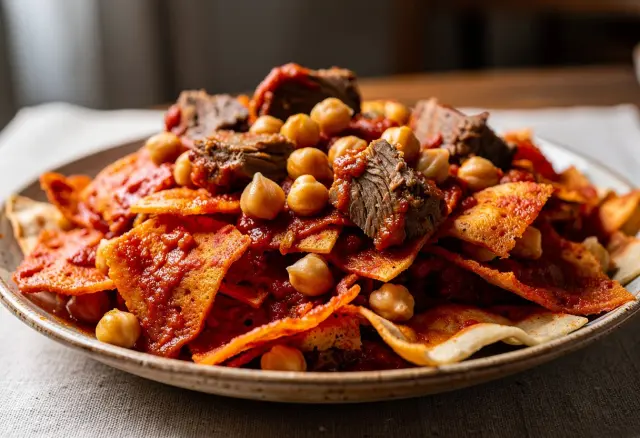
ChakhchoukhaTorn flatbread bathed in a spiced lamb, chickpea, and tomato sauce, an Algerian dish for gatherings.
Browse all Algeria recipes →
Good to know
You’ll need: Oven, Whisk.
Storing it: Keeps 3 to 4 days refrigerated and reheats covered in the oven. Most bakes can be assembled a day ahead and baked when needed.
Make it an Algeria meal

Cherbet el LozDrink
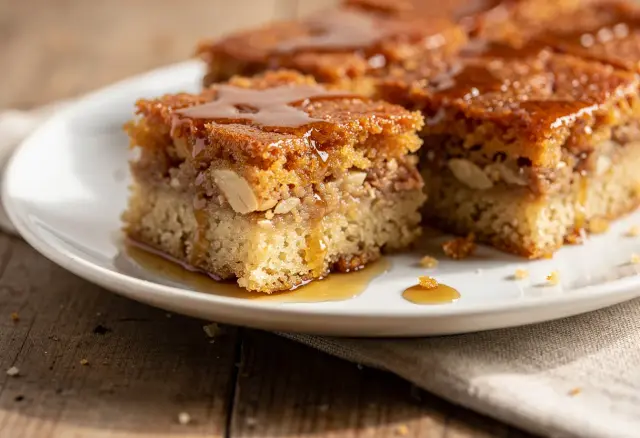
Kalb el LouzDessert
Similar dishes from around the world
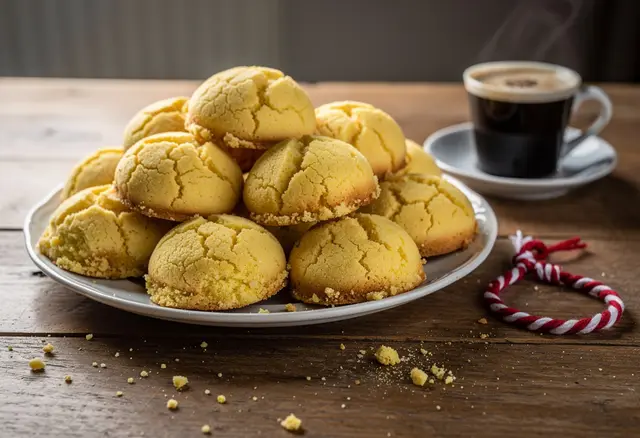
Ballokume (Albanian Cornmeal Cookies from Elbasan)Albania
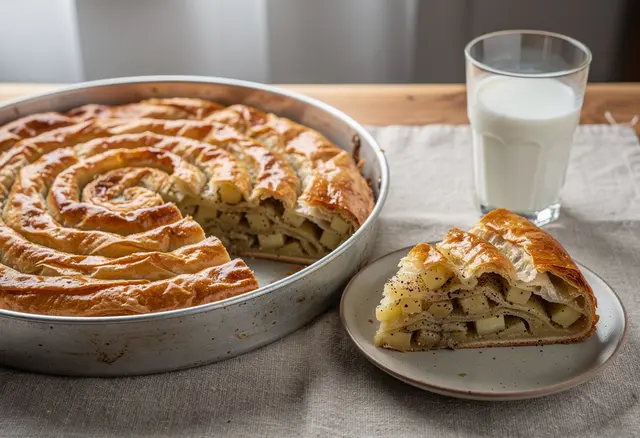
Krompiruša (Bosnian Potato Pita)Bosnia & Herzegovina

Kaak Malih (Libyan Savoury Cookie Rings)Libya
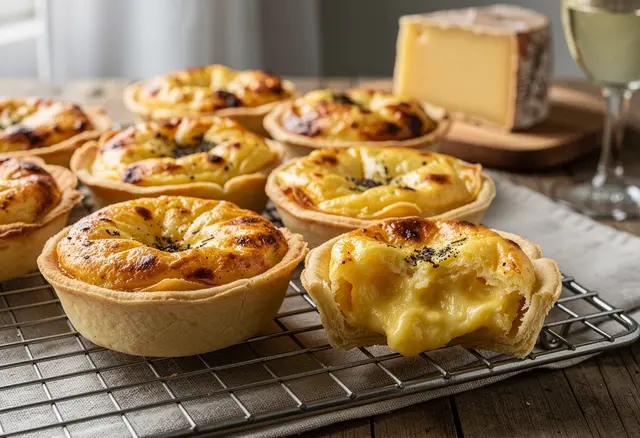
Chäschüechli (Swiss Cheese Tartlets)Switzerland
Irish SconesIreland
Ugiyot Tahini (Israeli Tahini Cookies)Israel
Cuisine
Diet
Frequently asked questions
What is Karantika (Algerian Chickpea Flan)?
A thin chickpea-flour batter with cumin and oil, baked into a soft, custardy slab with a golden top, cut hot into squares and eaten in a baguette with harissa and more cumin.
Where does Karantika (Algerian Chickpea Flan) come from?
Karantika (Algerian Chickpea Flan) is an Algerian dish from Algiers, Algeria.
Can Karantika (Algerian Chickpea Flan) be made vegan, gluten-free, or dairy-free?
This Karantika (Algerian Chickpea Flan) recipe includes substitution suggestions for vegetarian, vegan, gluten-free, dairy-free, nut-free, egg-free, and pork-free versions. Treat the substitutions as a starting guide rather than a guarantee, and see the allergen note below.
Is Karantika (Algerian Chickpea Flan) safe for people with food allergies?
Our dietary labels and substitutions are a cooking guide, not medical or allergen-safety advice. We track dairy, egg, gluten, tree nuts and peanuts (we still count coconut as a tree nut to be cautious, although the FDA stopped listing it as one in 2025), fish, and shellfish, but we do not screen for sesame, soy, mustard, celery, or sulphites. If you have a food allergy, always read the label on every product you use, and remember a home or commercial kitchen can cross-contaminate ingredients in ways a recipe cannot control.
How long does Karantika (Algerian Chickpea Flan) take to make?
About 1 h 50 min in all: 10 minutes prep and 70 minutes cooking, plus 30 min of hands-off waiting the method needs, serving 8.
Get the Sunday Spin
One dish from somewhere in the world, in your inbox every Sunday. No spam, just dinner inspiration you can cook that day.