
🍰 DESSERT
Tarta de Santiago
A dense, moist almond cake marked with the cross of Saint James and dusted with sugar, Galicia's pilgrim dessert.
Spanish · easy · serves 8
prep 15 min · cook 35 min
~327 cal · 10g protein · 35g carbs · 18g fat · 5g fiber · 29g sugars · 2g sat fat (estimated, per serving)
↓ Jump to Recipe
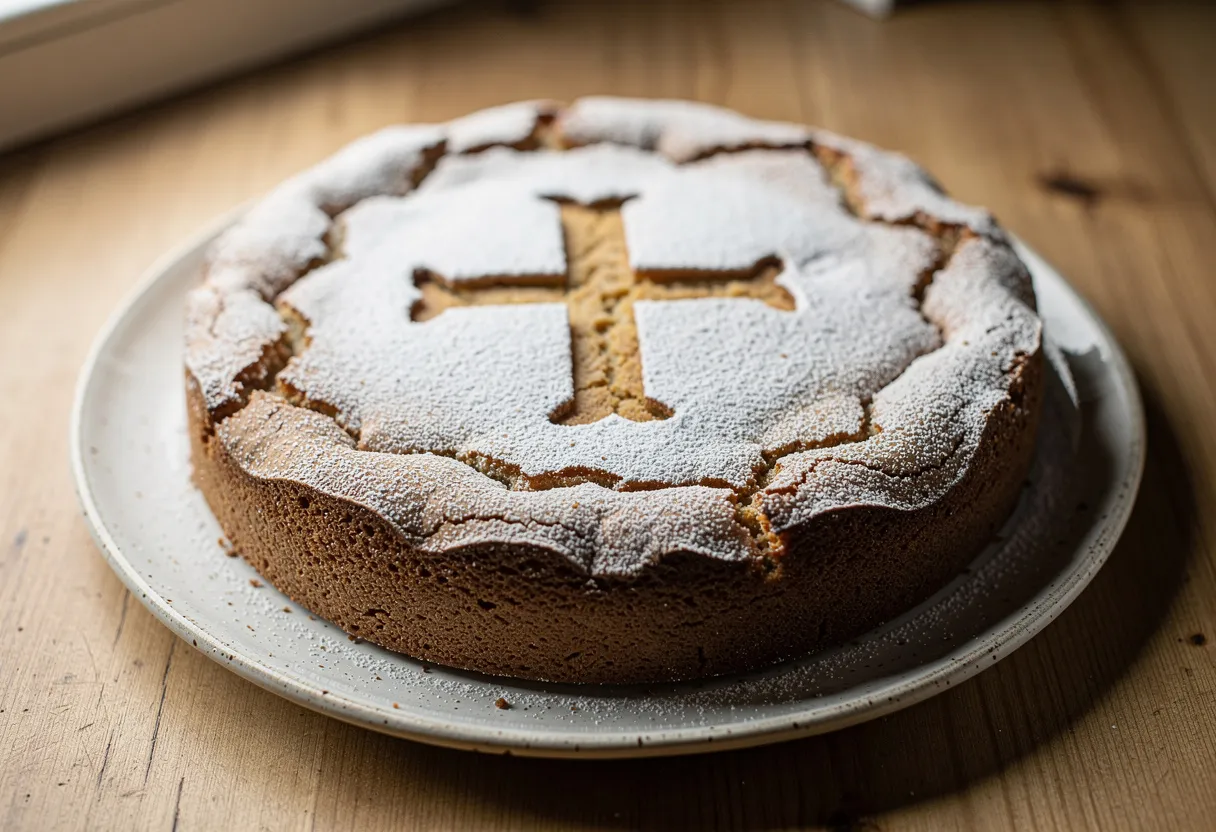
AI-generated illustration
Tarta de Santiago is the almond cake of Galicia, tied to Santiago de Compostela and the pilgrims who have walked the Camino to the city for a thousand years. It carries a protected geographical status and a strict, simple recipe.
Made with ground almonds, eggs, sugar, and lemon or cinnamon, and no flour at all, it is dense, moist, and intensely almondy. Its signature is the stencil of the cross of Saint James, laid on top before a dusting of icing sugar so the emblem appears in relief.
Saved recipes and passport stamps are kept on this device. Sign in to keep them across your devices and leave reviews.
Make it yours
✓ Naturally vegetarian and gluten-, dairy- and pork-free. No swaps needed.
Toggle a diet and the ingredients rewrite themselves with regional substitutes.
🥕 Vegetarian
🌱 Vegan
🌾 Gluten-Free
🥛 Dairy-Free
🥜 Nut-Free
🥚 Egg-Free
🐖 Pork-Free
Dietary labels are a cooking guide, not allergen-safety advice. We track dairy, egg, gluten, tree nuts and peanuts (we count coconut as a tree nut, following FDA labeling), fish, and shellfish; we do not screen for sesame, soy, mustard, celery, or sulphites. If you have a food allergy, read the label on every product you use, and note that a kitchen can cross-contaminate in ways a recipe cannot control.
Ingredients
US
Metric
Serves 8
- 2 1/2 cups ground almonds
- 4 eggs
- 1 cup sugar
- 1 lemon lemon zest
- 1 orange orange zest
- 1/2 tsp ground cinnamon
- to finish icing sugar, to dust
Instructions
- 1Whisk the eggs with the sugar until pale and thick.
- 2Fold in the ground almonds, lemon and orange zest, and cinnamon to a thick batter.✎ Chef’s noteUse good almonds, marcona if you can find them: they are the whole flavour, and the citrus zest is there to lift them. The cake is naturally gluten-free and documented since at least the 16th century, though the icing-sugar cross of Saint James only became standard in the early 20th.
- 3Pour into a lined round tin and bake at 350F (180C) until set and golden, about 30 minutes.✎ Chef’s noteDo not overbake. The cake should stay moist and a little dense in the middle, which is the whole character of a tarta de Santiago.
- 4Cool, lay a cross stencil on top, and dust with icing sugar before lifting it away.
Galician pilgrim tradition.
Ratings & reviews
Cooked it? Rate this dish:
No account needed. Sign in to leave a full review with a comment.
Cooked it?
Kept on this device, no account needed. Sign in to leave a review and keep your passport across your devices.
No reviews yet, be the first to cook it.
🌏 While it simmers, know your destination
📍
Galicia. This is the wet green corner of Spain and it eats accordingly. The Atlantic rias give percebes, scallops and mussels, the land gives greens, potatoes and pork for caldo gallego, and the empanada here is a flat covered pie cut into squares rather than a folded turnover.
🗺️
Spain. Spain grows close to half the world's olive oil, which is why it is the everyday cooking fat from Galicia to Andalusia rather than a finishing drizzle. The groves run for hours across Jaen and its neighbouring provinces, and the oil turns up everywhere, on breakfast toast rubbed with tomato and at the base of very nearly every stew.
🌍
Europe. European cooking is built on the land and the seasons, wheat, butter, and cured pork in the north; olive oil, tomatoes, and seafood around the Mediterranean; preserved vegetables and hearty stews through long winters. Centuries of peasant tradition, guild craft, and royal courts refined techniques from French mother sauces to Italian fresh pasta and Central European baking. Regional identity runs remarkably deep, with a single dish often changing from one valley to the next.
The story behind this dish is up top, worth a read while the pot works.
More from Spain
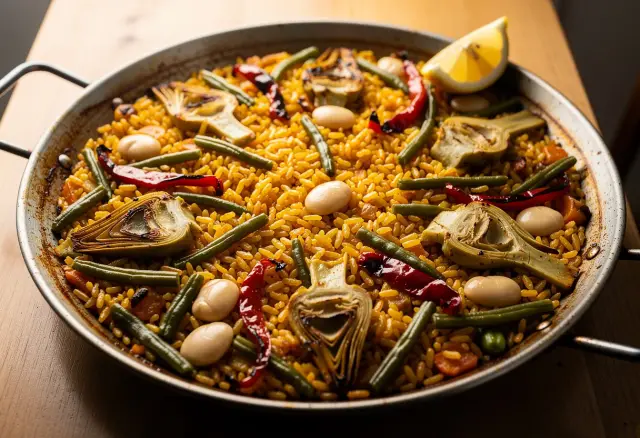
Paella de Verduras (Valencian Vegetable Paella)Saffron rice cooked wide and shallow until it forms the prized socarrat crust, loaded with market vegetables.
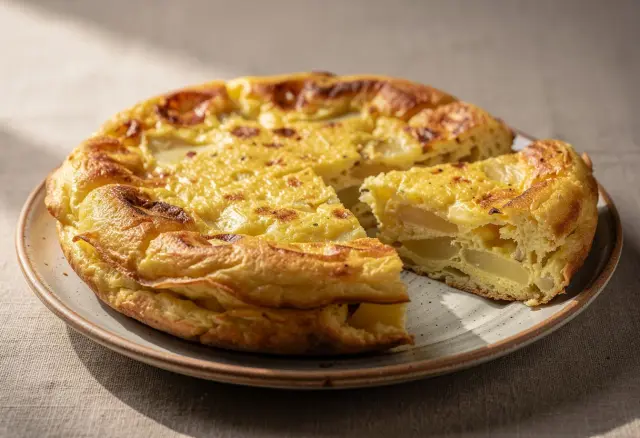
Tortilla EspañolaThe potato-and-egg omelette that anchors every Spanish bar, flipped whole, argued about forever.
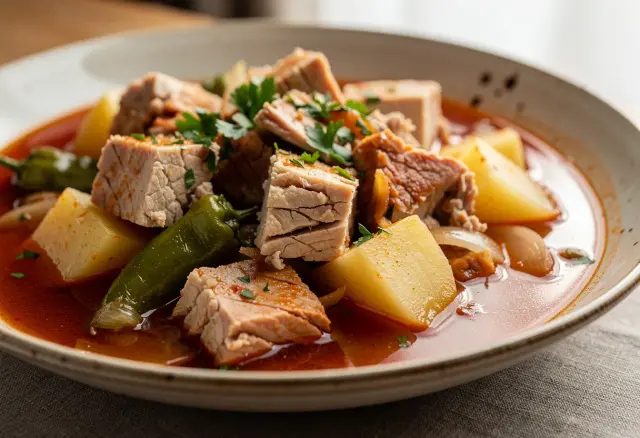
MarmitakoA Basque tuna and potato stew built on choricero pepper pulp, fishermen’s food, cooked on the boat between catches.
Browse all Spain recipes →
Good to know
You’ll need: Oven, Mould or tin, Whisk.
Storing it: Store in an airtight container. Most keep 2 to 3 days at room temperature, and longer refrigerated.
Make it a Spain meal

Pulpo a la GallegaDinner

SangriaDrink
Similar dishes from around the world
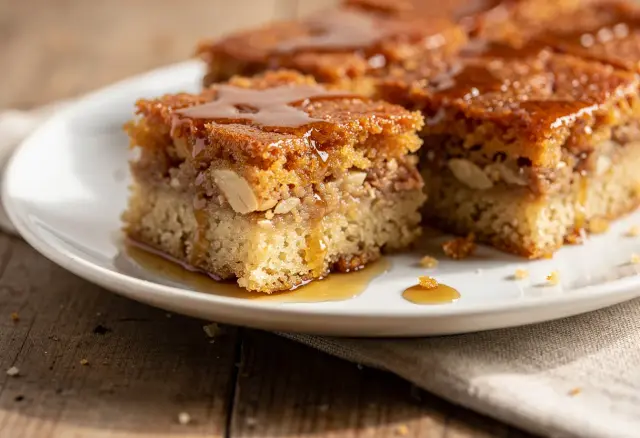
Kalb el LouzAlgeria
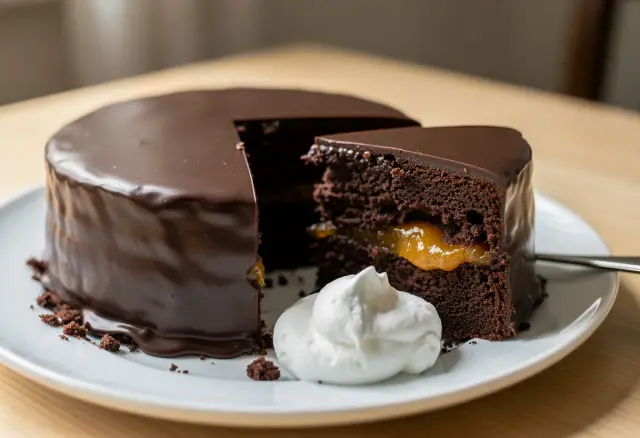
SachertorteAustria
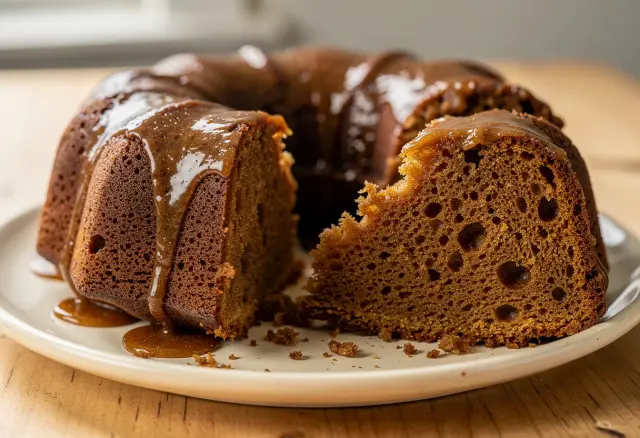
Bermuda Rum CakeBermuda
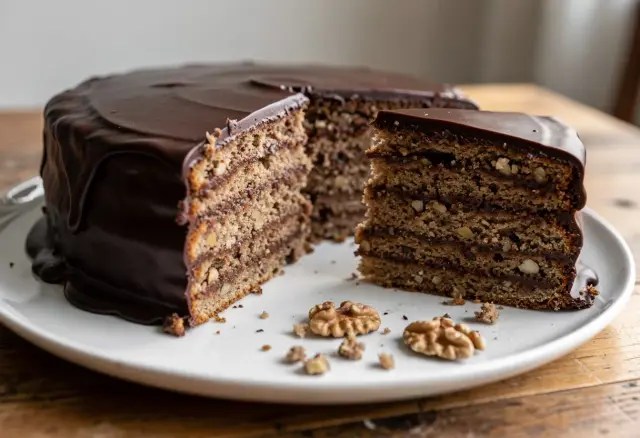
Garash TortaBulgaria
Date and Banana MixBurundi
Cameroonian Banana CakeCameroon
Cuisine
Diet
Frequently asked questions
What is Tarta de Santiago?
A dense, moist almond cake marked with the cross of Saint James and dusted with sugar, Galicia's pilgrim dessert.
Where does Tarta de Santiago come from?
Tarta de Santiago is a Spanish dish from Galicia, Spain.
Can Tarta de Santiago be made vegan, gluten-free, or dairy-free?
This Tarta de Santiago recipe includes substitution suggestions for vegetarian, vegan, gluten-free, dairy-free, nut-free, egg-free, and pork-free versions. Treat the substitutions as a starting guide rather than a guarantee, and see the allergen note below.
Is Tarta de Santiago safe for people with food allergies?
Our dietary labels and substitutions are a cooking guide, not medical or allergen-safety advice. We track dairy, egg, gluten, tree nuts and peanuts (we still count coconut as a tree nut to be cautious, although the FDA stopped listing it as one in 2025), fish, and shellfish, but we do not screen for sesame, soy, mustard, celery, or sulphites. If you have a food allergy, always read the label on every product you use, and remember a home or commercial kitchen can cross-contaminate ingredients in ways a recipe cannot control.
How long does Tarta de Santiago take to make?
About 50 minutes total (15 minutes prep, 35 minutes cooking), serving 8.
Get the Sunday Spin
One dish from somewhere in the world, in your inbox every Sunday. No spam, just dinner inspiration you can cook that day.