Asia → South Korea → Seoul (Gyeonggi)

🍢 SNACK
Tteokbokki (Spicy Korean Rice Cakes)
Chewy cylinders of rice cake and slices of fish cake simmered in anchovy and kelp broth until the gochujang sauce turns thick, glossy, sweet and fiery.
Korean · easy · serves 3
prep 20 min · cook 25 min
~512 cal · 20g protein · 90g carbs · 7g fat · 2g fiber · 11g sugars · 2g sat fat (estimated, per serving)
↓ Jump to Recipe

AI-generated illustration
Tteokbokki is Korea's favourite street snack, simmered in wide shallow pans at pojangmacha street stalls and bunsik snack bars all over the country and eaten from a paper cup with a toothpick. The name means stir-fried rice cake, and the oldest versions, recorded in a nineteenth-century cookbook and linked to the royal court, were mild dishes of rice cake stir-fried with beef and soy sauce.
The fiery red version is much younger. It is credited to Ma Bok-rim, who in 1953 began selling rice cakes cooked in gochujang, the red chili paste, in the Sindang-dong neighbourhood of Seoul. Her idea took hold, Sindang-dong filled with tteokbokki restaurants, and the gochujang style became the one the whole country knows.
Garae-tteok, long cylinders of rice cake, are simmered in a broth of dried anchovies and kelp with gochujang, chili flakes, soy sauce and sugar until the sauce around them. Flat sheets of fish cake, cabbage and spring onion go in near the end, and boiled eggs are a favourite addition.
Saved recipes and passport stamps are kept on this device. Sign in to keep them across your devices and leave reviews.
Make it yours
✓ Naturally dairy-, nut- and pork-free. No swaps needed.
Toggle a diet and the ingredients rewrite themselves with regional substitutes.
🥕 Vegetarian
🌱 Vegan
🌾 Gluten-Free
🥛 Dairy-Free
🥜 Nut-Free
🥚 Egg-Free
🐖 Pork-Free
Dietary labels are a cooking guide, not allergen-safety advice. We track dairy, egg, gluten, tree nuts and peanuts (we count coconut as a tree nut, following FDA labeling), fish, and shellfish; we do not screen for sesame, soy, mustard, celery, or sulphites. If you have a food allergy, read the label on every product you use, and note that a kitchen can cross-contaminate in ways a recipe cannot control.
Ingredients
US
Metric
Serves 3
- 450 g garae-tteok (tteokbokki rice cakes), check the packet if you avoid gluten; a few brands add wheat
- 2 (about 120 g) eomuk (Korean fish cake) sheets
- 10 (about 15 g) dried anchovies (for the broth), heads and guts removed
- 1 piece dasima (dried kelp), 8 cm square
- 1/4 onion, quartered (for the broth)
- 4 cups water
- 3 tbsp gochujang (Korean red chili paste)
- 1 to 2 tsp gochugaru (Korean chili flakes)
- 1 tbsp soy sauce
- 2 tbsp sugar
- 1 tbsp garlic, minced
- 120 g green cabbage, cut into 5 cm pieces
- 2 (about 30 g) spring onions, cut into 5 cm lengths
- 2 hard-boiled eggs, peeled
Instructions
- 1If the rice cakes are hard from the fridge or freezer, soak them in warm water for 20 minutes to soften and separate them. Cut the fish cake into 5 cm pieces.
- 2Put the anchovies, kelp and onion in a wide shallow pan with the water, bring to a boil and boil for 10 minutes. Lift out and discard the solids; you should have about 3 cups of broth.
- 3Stir the gochujang, gochugaru, soy sauce and sugar into the broth until dissolved. Add the drained rice cakes and simmer for 8 to 10 minutes, stirring often, until they are soft and the sauce begins to thicken.✎ Chef’s noteKeep stirring: the starch from the rice cakes thickens the sauce but also makes them catch on the bottom of the pan.
- 4Add the fish cake, cabbage and garlic and simmer for another 4 to 5 minutes, adding a splash of water if the sauce gets too thick before the rice cakes are tender.
- 5Add the spring onions and the boiled eggs for the last 2 minutes, turning the eggs in the sauce. Taste, adjust the sweetness or heat, and serve hot.
Seoul street-food tradition (Sindang-dong style).
Ratings & reviews
Cooked it? Rate this dish:
No account needed. Sign in to leave a full review with a comment.
Cooked it?
Kept on this device, no account needed. Sign in to leave a review and keep your passport across your devices.
No reviews yet, be the first to cook it.
🌏 While it simmers, know your destination
📍
Seoul (Gyeonggi). The red tteokbokki everyone means is recent. It was made by Ma Bok-rim in Sindang-dong in 1953, and the district only took off in the late 1970s; the Joseon court version it descends from, gungjung tteokbokki, was soy-sauce-based and mild, with no chilli paste in it at all.
🗺️
South Korea. Kimjang, the late-autumn making and sharing of a winter's worth of kimchi, was inscribed by UNESCO in 2013. Households pool labour and cabbages over a few days and the results are distributed among neighbours and relatives, which makes it a social obligation as much as a preserving method.
🌍
Asia. Asia is the world's largest and most populous continent, and its food spans the delicate seasonality of Japanese washoku, the chili-fired curries of India and Thailand, and the wheat-and-lamb traditions of Central Asia. Rice, noodles, soy, and fermentation recur across its regions, while ancient spice routes and religious traditions shaped distinct grammars of flavor. Whether from a street-cart wok or a monastery kitchen, eating is deeply communal and ritual-rich.
The story behind this dish is up top, worth a read while the pot works.
More from South Korea
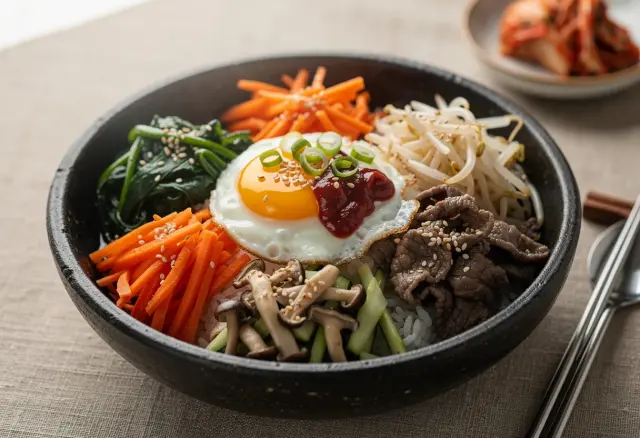
BibimbapA bowl of rice crowned with seasoned vegetables, beef, and a fried egg, all mixed with gochujang at the table.
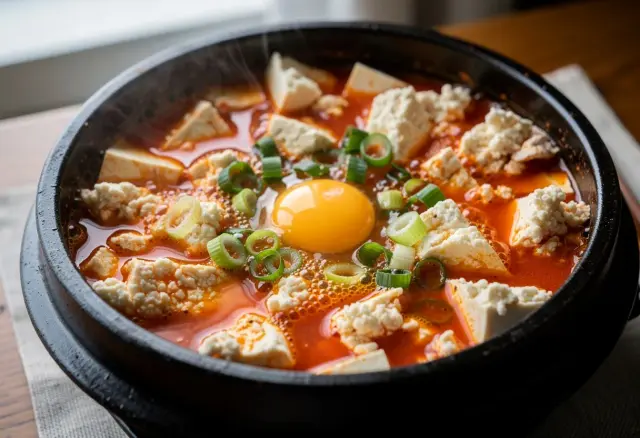
Sundubu-jjigae (Soft Tofu Stew)Bubbling-hot soft tofu stew, brick-red with gochugaru, finished with an egg cracked in at the table.
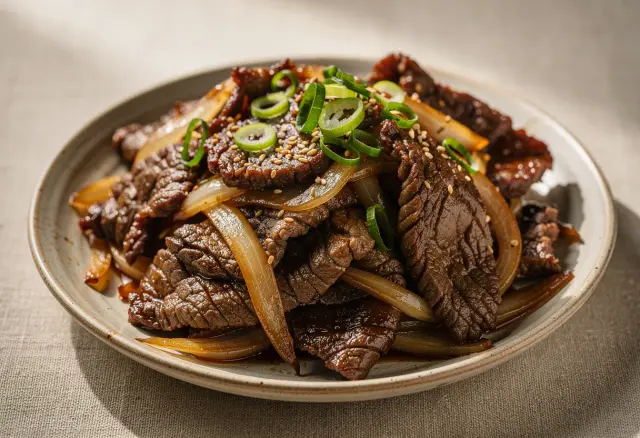
BulgogiThin beef marinated in soy, pear, sesame, and garlic, seared fast and sweet-savory, Korea’s beloved "fire meat."
Browse all South Korea recipes →
Good to know
Storing it: Soup keeps 3 to 4 days refrigerated and freezes well. Reheat gently and loosen with a little water or stock if needed.
Make it a South Korea meal
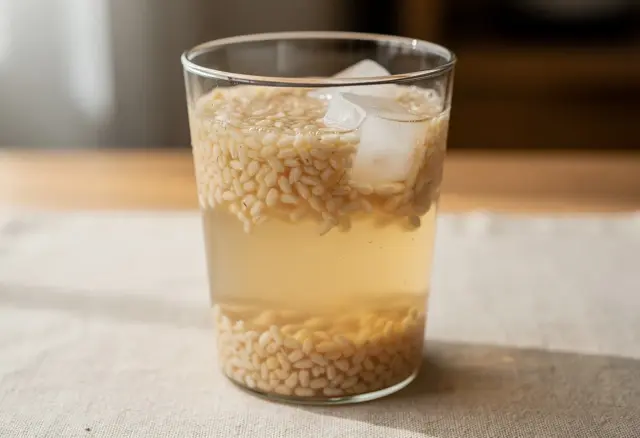
SikhyeDrink
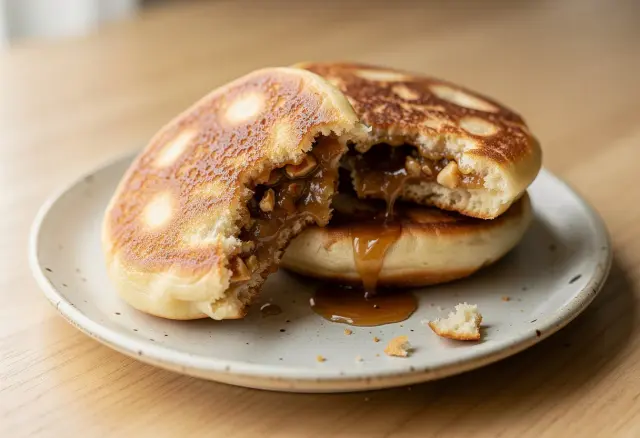
HotteokDessert
Similar dishes from around the world
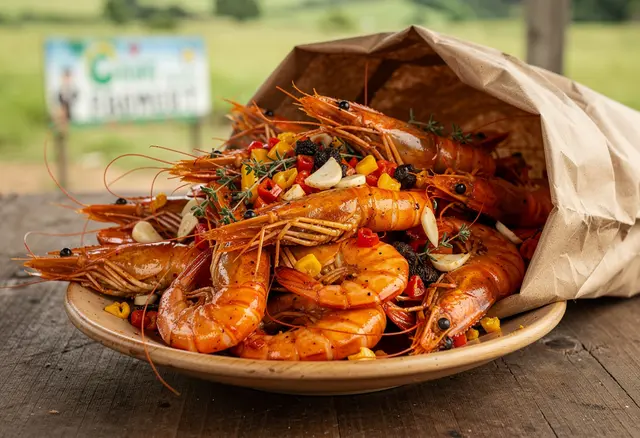
Pepper Shrimp (Jamaican Spicy Shell-On Shrimp)Jamaica
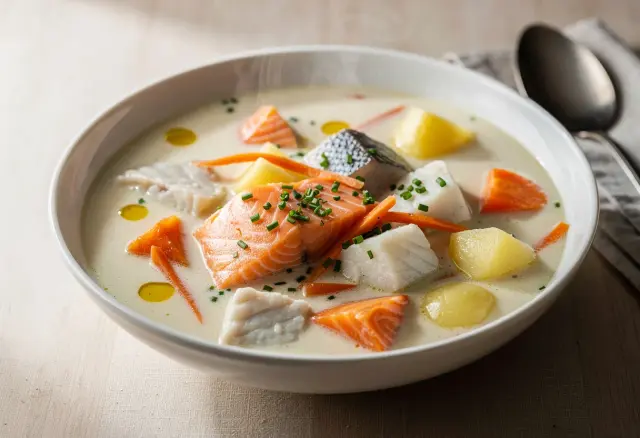
Bergensk FiskesuppeNorway
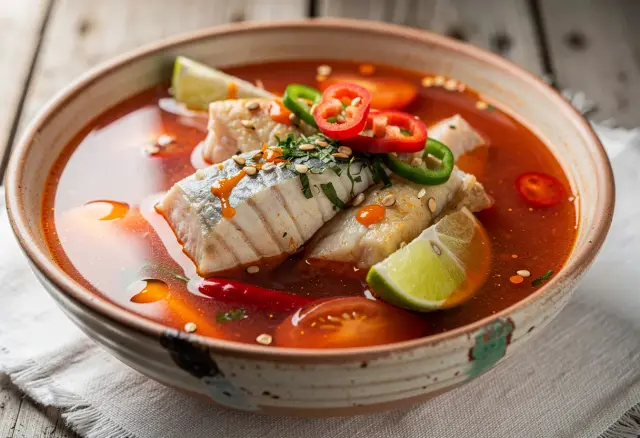
PepesupEquatorial Guinea
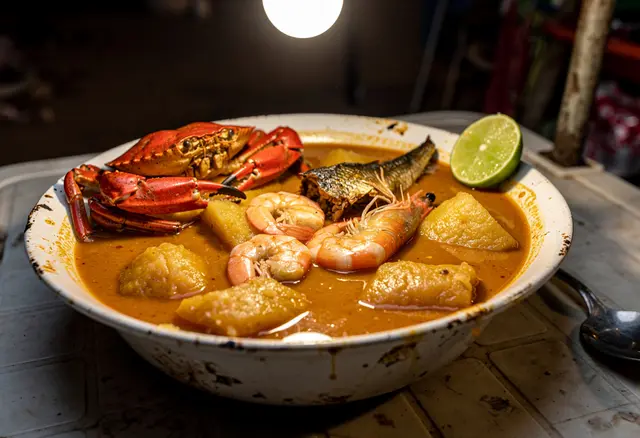
Ebbeh (Gambian Cassava and Seafood Soup)The Gambia
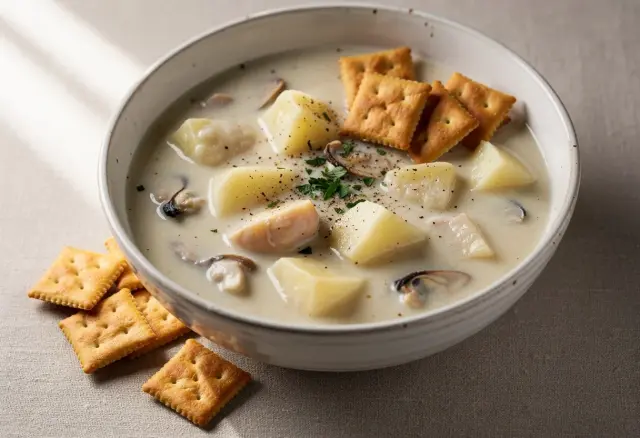
New England Clam ChowderUnited States
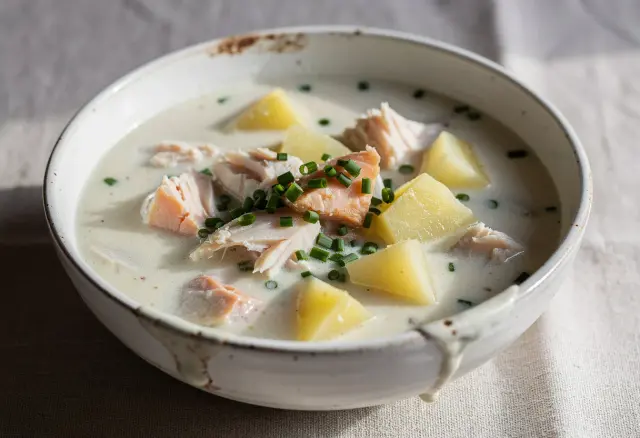
Cullen SkinkUnited Kingdom
Cuisine
Diet
Themes
Frequently asked questions
What is Tteokbokki (Spicy Korean Rice Cakes)?
Chewy cylinders of rice cake and slices of fish cake simmered in anchovy and kelp broth until the gochujang sauce turns thick, glossy, sweet and fiery.
Where does Tteokbokki (Spicy Korean Rice Cakes) come from?
Tteokbokki (Spicy Korean Rice Cakes) is a Korean dish from Seoul (Gyeonggi), South Korea.
Can Tteokbokki (Spicy Korean Rice Cakes) be made vegan, gluten-free, or dairy-free?
This Tteokbokki (Spicy Korean Rice Cakes) recipe includes substitution suggestions for vegetarian, vegan, gluten-free, dairy-free, nut-free, egg-free, and pork-free versions. Treat the substitutions as a starting guide rather than a guarantee, and see the allergen note below.
Is Tteokbokki (Spicy Korean Rice Cakes) safe for people with food allergies?
Our dietary labels and substitutions are a cooking guide, not medical or allergen-safety advice. We track dairy, egg, gluten, tree nuts and peanuts (we still count coconut as a tree nut to be cautious, although the FDA stopped listing it as one in 2025), fish, and shellfish, but we do not screen for sesame, soy, mustard, celery, or sulphites. If you have a food allergy, always read the label on every product you use, and remember a home or commercial kitchen can cross-contaminate ingredients in ways a recipe cannot control.
How long does Tteokbokki (Spicy Korean Rice Cakes) take to make?
About 45 minutes total (20 minutes prep, 25 minutes cooking), serving 3.
Get the Sunday Spin
One dish from somewhere in the world, in your inbox every Sunday. No spam, just dinner inspiration you can cook that day.