South America → Peru → Lima

🍰 DESSERT
Suspiro a la Limeña
A layer of thick caramel dulce de leche under a cloud of port-scented meringue, Lima's most romantic dessert.
Peruvian · medium · serves 6
prep 20 min · cook 30 min
~494 cal · 15g protein · 68g carbs · 17g fat · 0g fiber · 67g sugars · 9g sat fat (estimated, per serving)
↓ Jump to Recipe
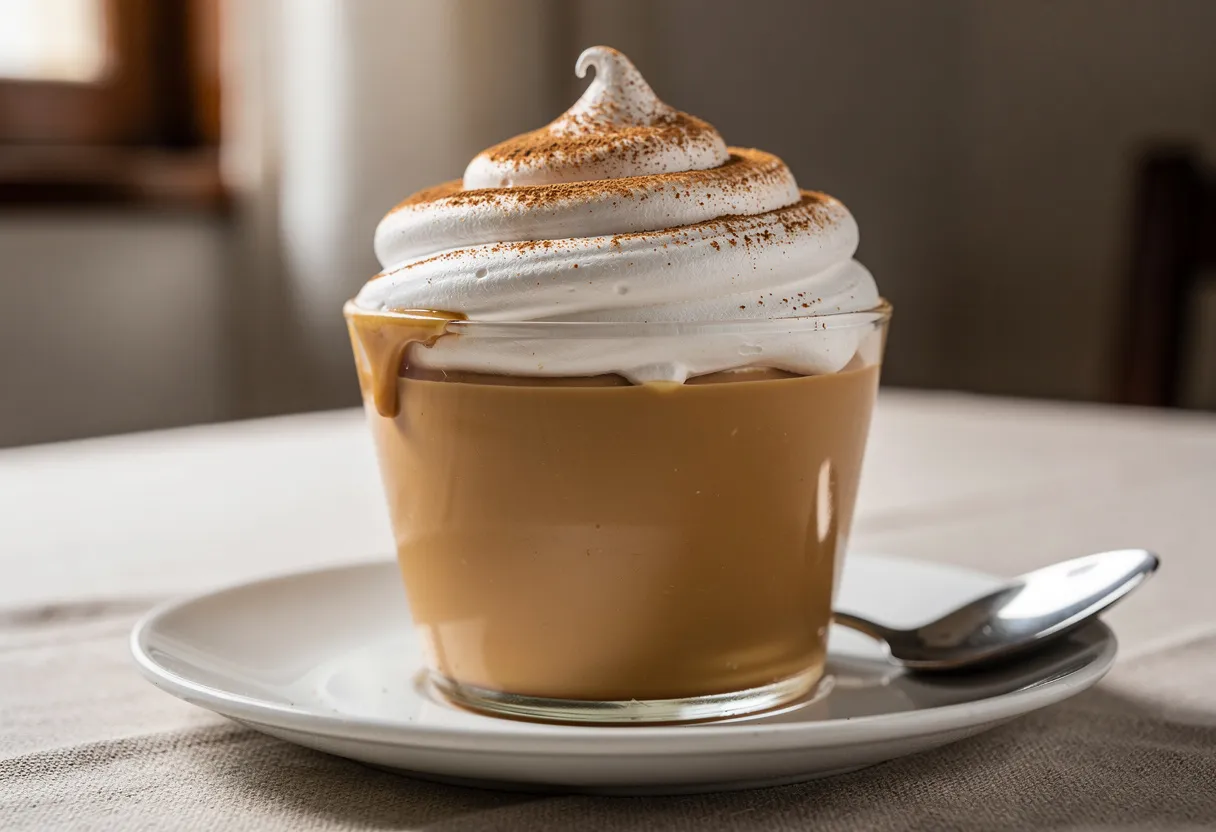
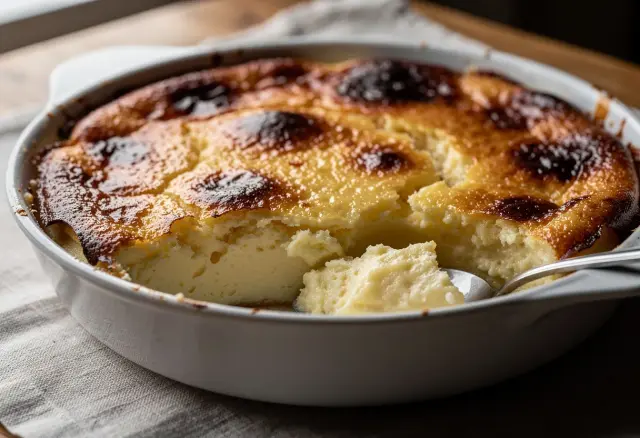
AI-generated illustration
The name means a sigh from Lima, and the story goes that the poet Jose Galvez christened it so because it was as soft and sweet as a woman's sigh. It is Peru's most poetically named dessert, and one of its oldest.
The base is manjar blanco, a thick Peruvian dulce de leche cooked down from milk and sugar until deeply caramelised, enriched further with egg yolks. On top sits a glossy Italian meringue perfumed with port wine, a legacy of the colonial pantry.
Served in little glasses and dusted with cinnamon, it is the dessert of Lima's celebrations and Sunday tables, the two layers meant to be spooned up together so the airy top cuts the richness below.
Saved recipes and passport stamps are kept on this device. Sign in to keep them across your devices and leave reviews.
Make it yours
✓ Naturally vegetarian and gluten-, nut- and pork-free. No swaps needed.
Toggle a diet and the ingredients rewrite themselves with regional substitutes.
🥕 Vegetarian
🌱 Vegan
🌾 Gluten-Free
🥛 Dairy-Free
🥜 Nut-Free
🥚 Egg-Free
🐖 Pork-Free
Dietary labels are a cooking guide, not allergen-safety advice. We track dairy, egg, gluten, tree nuts and peanuts (we count coconut as a tree nut, following FDA labeling), fish, and shellfish; we do not screen for sesame, soy, mustard, celery, or sulphites. If you have a food allergy, read the label on every product you use, and note that a kitchen can cross-contaminate in ways a recipe cannot control.
Ingredients
US
Metric
Serves 6
- 1 can (12 oz) evaporated milk
- 1 can (14 oz) sweetened condensed milk
- 6 egg yolks
- 3 egg whites
- 3/4 cup sugar
- 1/2 cup port wine
- 1 tsp vanilla extract
- to finish ground cinnamon, to dust
Instructions
- 1Cook the evaporated and condensed milk together over low heat, stirring constantly, for about 30 minutes, until it darkens and you can draw the spatula across and see the bottom of the pan.✎ Chef’s noteThis base is not shop-bought manjar blanco. It is stopped a stage earlier, then set with yolks, which is what gives suspiro its silky texture rather than a stiff dulce de leche one.
- 2Off the heat, whisk the yolks with the vanilla, then pour the hot milk into them in a slow stream, whisking. Divide among glasses and chill.
- 3Make an Italian meringue: boil the sugar with the port to a syrup, then whip the egg whites and pour the hot syrup in a thin stream, beating to stiff, glossy peaks.✎ Chef’s notePour the hot syrup down the side of the bowl in a slow stream while the beaters run, never onto the whisk, or it flings sugar threads up the sides and seizes.
- 4Pipe or spoon the meringue over the cooled caramel layer.
- 5Dust with cinnamon and chill before serving.
Lima colonial dessert tradition.
Ratings & reviews
Cooked it? Rate this dish:
No account needed. Sign in to leave a full review with a comment.
Cooked it?
Kept on this device, no account needed. Sign in to leave a review and keep your passport across your devices.
No reviews yet, be the first to cook it.
🌏 While it simmers, know your destination
📍
Lima. Causa is Lima's, layered cold from yellow potato mashed with lime and aji amarillo around a filling of chicken, tuna or crab. Its name is said to come either from selling it por la causa to fund San Martin's campaign or from women feeding soldiers during the Pacific War, and neither account is settled. Picarones, squash and sweet-potato rings in chancaca syrup, are the colonial answer to Spanish bunuelos.
🗺️
Peru. Two immigrant kitchens have their own names here. Chifa is the Chinese-Peruvian cooking that arrived with Cantonese labourers in the nineteenth century and put lomo saltado in a wok; Nikkei is its Japanese-Peruvian counterpart, which rethought raw fish and cut short the time it sits in citrus. Ceviche's traditional knowledge was inscribed by UNESCO in 2023.
🌍
South America. Migration reworked the plate within living memory. Japanese arrivals in Peru and Brazil produced Nikkei cooking, Italians made pasta and pizza entirely ordinary in Argentina, Uruguay and Sao Paulo, and West African cooking carried into Bahia by the slave trade gave Brazil dende palm oil, okra and a whole ritual repertoire.
The story behind this dish is up top, worth a read while the pot works.
More from Peru
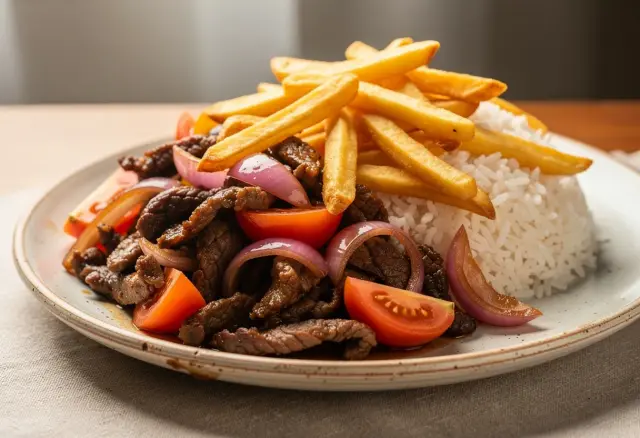
Lomo SaltadoBeef flash-fried in a smoking wok with soy, vinegar, tomatoes, and fries, Lima's Chinese-Peruvian icon.
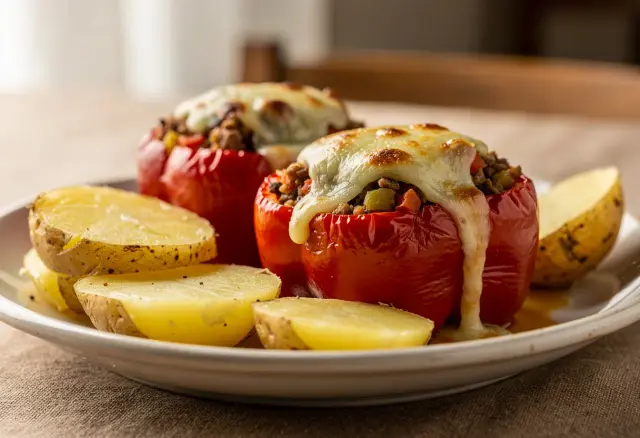
Rocoto RellenoArequipa’s fiery rocoto peppers stuffed with spiced beef, olives, and raisins, capped with melting cheese.

CevicheFresh white fish cured in lime "leche de tigre" with red onion, chili, and cilantro, Peru's national dish.
Browse all Peru recipes →
Good to know
You’ll need: Whisk.
Storing it: Keep chilled and covered, and enjoy within 2 to 3 days.
Make it a Peru meal
CevicheDinner
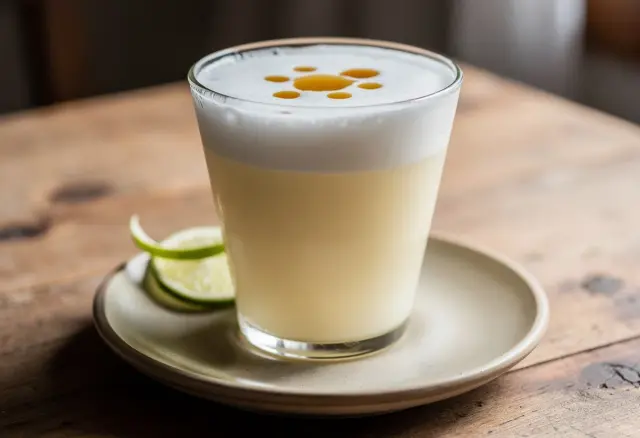
Pisco SourDrink
Similar dishes from around the world

TrileçeAlbania
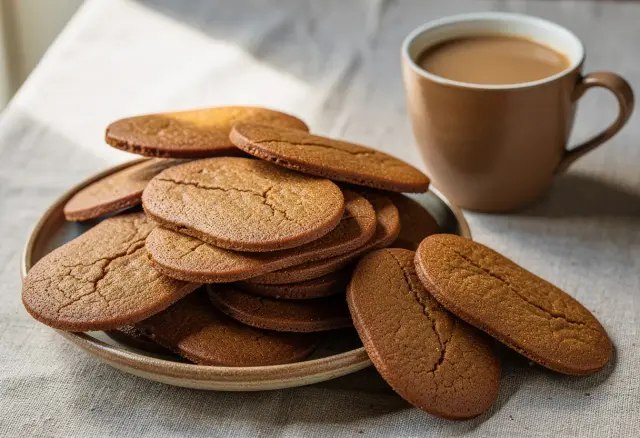
SpeculoosBelgium
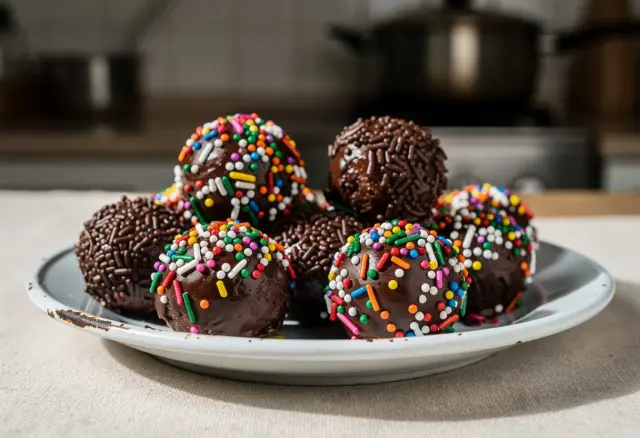
BrigadeiroBrazil
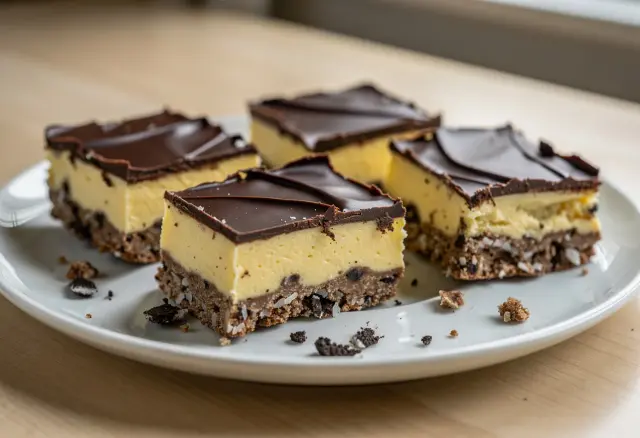
Nanaimo BarsCanada
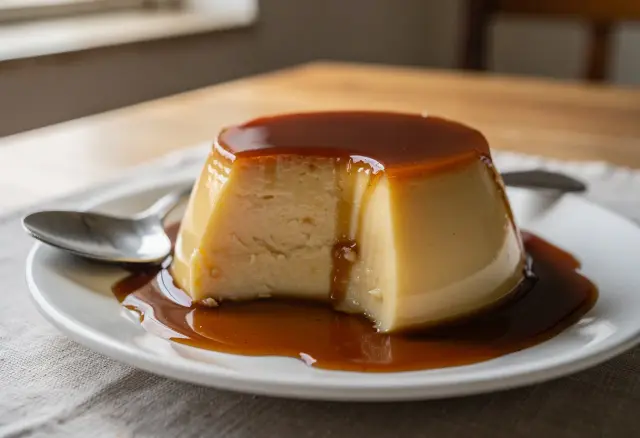
Pudim de Leite (Milk Flan)Cape Verde
Leche AsadaChile
Cuisine
Diet
Frequently asked questions
What is Suspiro a la Limeña?
A layer of thick caramel dulce de leche under a cloud of port-scented meringue, Lima's most romantic dessert.
Where does Suspiro a la Limeña come from?
Suspiro a la Limeña is a Peruvian dish from Lima, Peru.
Can Suspiro a la Limeña be made vegan, gluten-free, or dairy-free?
This Suspiro a la Limeña recipe includes substitution suggestions for vegetarian, vegan, gluten-free, dairy-free, nut-free, egg-free, and pork-free versions. Treat the substitutions as a starting guide rather than a guarantee, and see the allergen note below.
Is Suspiro a la Limeña safe for people with food allergies?
Our dietary labels and substitutions are a cooking guide, not medical or allergen-safety advice. We track dairy, egg, gluten, tree nuts and peanuts (we still count coconut as a tree nut to be cautious, although the FDA stopped listing it as one in 2025), fish, and shellfish, but we do not screen for sesame, soy, mustard, celery, or sulphites. If you have a food allergy, always read the label on every product you use, and remember a home or commercial kitchen can cross-contaminate ingredients in ways a recipe cannot control.
How long does Suspiro a la Limeña take to make?
About 50 minutes total (20 minutes prep, 30 minutes cooking), serving 6.
Get the Sunday Spin
One dish from somewhere in the world, in your inbox every Sunday. No spam, just dinner inspiration you can cook that day.