South America → Paraguay → Asunción

🍢 SNACK
Chipa (Paraguayan Cassava and Cheese Bread)
Small rings of cassava-starch dough rich with cheese, egg and lard and scented with anise, baked until golden and sold warm by street vendors all over Paraguay.
Paraguayan · medium · serves 8
prep 25 min · cook 25 min
~262 cal · 11g protein · 25g carbs · 13g fat · 1g fiber · 2g sugars · 7g sat fat (estimated, per serving)
↓ Jump to Recipe
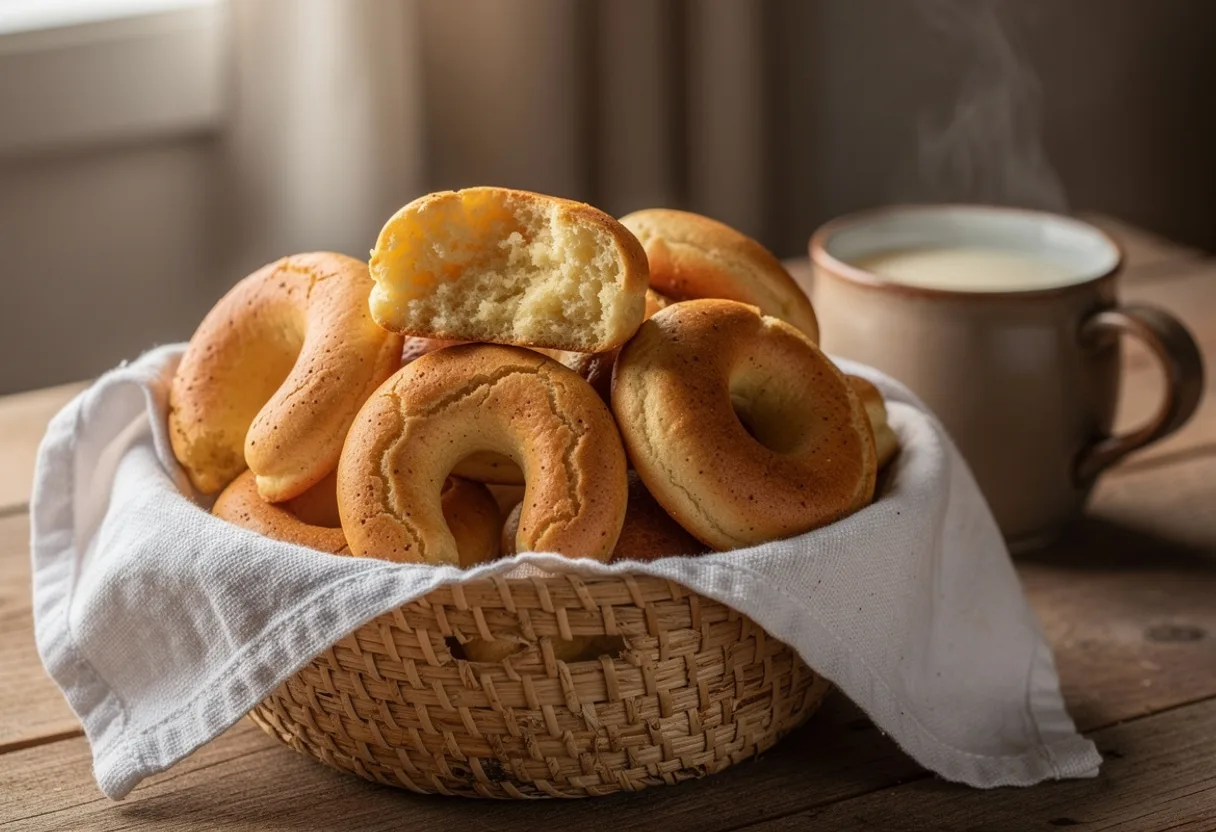
AI-generated illustration
Chipa is Paraguay's favourite snack, a small bread of starch, cheese, egg and fat, flavoured with anise and baked until golden and firm outside and soft and chewy inside. It has its roots in Guaraní cooking, and Paraguayans are very proud of it.
It is sold everywhere: in city bakeries, at bus terminals and highway stops, and by vendors who walk the streets at dawn calling "chipa, rica chipa". It is best warm, with a mug of hot cocido on a cold morning. Chipa is made in huge quantities for Holy Week and for the feast of San Juan, and August has a national Chipa Day.
The dough uses almidón, starch, and queso Paraguay, a fresh farm cheese. There is no yeast: the eggs, cheese and starch make it puff in the oven. It is shaped into rings, horseshoes or small balls.
Saved recipes and passport stamps are kept on this device. Sign in to keep them across your devices and leave reviews.
Make it yours
✓ Naturally gluten- and nut-free. No swaps needed.
Toggle a diet and the ingredients rewrite themselves with regional substitutes.
🥕 Vegetarian
🌱 Vegan
🌾 Gluten-Free
🥛 Dairy-Free
🥜 Nut-Free
🥚 Egg-Free
🐖 Pork-Free
Dietary labels are a cooking guide, not allergen-safety advice. We track dairy, egg, gluten, tree nuts and peanuts (we count coconut as a tree nut, following FDA labeling), fish, and shellfish; we do not screen for sesame, soy, mustard, celery, or sulphites. If you have a food allergy, read the label on every product you use, and note that a kitchen can cross-contaminate in ways a recipe cannot control.
Ingredients
US
Metric
Serves 8
- 500 g almidón ( starch, also sold as tapioca starch)
- 125 g lard, soft
- 3 eggs
- 250 g queso Paraguay or other firm fresh cheese, grated or crumbled
- about 120 ml whole milk
- 1 tsp anise seeds
- 1 tsp salt
Instructions
- 1Heat the oven to 200C (400F) and grease a baking tray.
- 2Beat the eggs in a large bowl, then beat in the soft lard until well mixed. Add the salt and anise.
- 3Add the cassava starch and the cheese and work everything together with your hands, adding milk a little at a time, until you have a smooth, soft, pliable dough that no longer cracks when you press it.✎ Chef’s noteThe dough should feel like soft modelling clay. Too dry and the chipa crack open in the oven; too wet and they spread.
- 4Roll pieces of dough into ropes about 1.5 cm thick and 12 cm long and join the ends into rings, or bend them into horseshoes. Set them on the tray a little apart.
- 5Bake for 20 to 25 minutes, until golden and firm. Eat warm, with cocido or coffee.
Paraguayan Guaraní tradition.
Ratings & reviews
Cooked it? Rate this dish:
No account needed. Sign in to leave a full review with a comment.
Cooked it?
Kept on this device, no account needed. Sign in to leave a review and keep your passport across your devices.
No reviews yet, be the first to cook it.
🌏 While it simmers, know your destination
📍
Asunción. The story that a president's cook added too much corn flour and renamed the accident is a good one, but historians dispute it. What is documented is older and duller: Cario-Guarani breads of corn and cassava meeting the dairy and eggs that arrived once Spanish cattle reached Asuncion in 1556.
🗺️
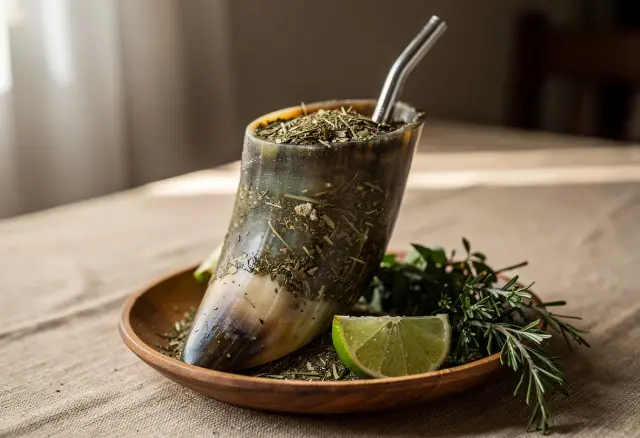
Paraguay. Terere is mate served cold. Yerba is packed into a guampa, iced water poured over it, often infused first with medicinal herbs called yuyos crushed to order, and the thermos is carried everywhere through the subtropical heat. Paraguayan terere practice, with its yuyos, was inscribed by UNESCO in 2020.
🌍
South America. The Andes are the potato's homeland and still hold something like four thousand native varieties, selected over thousands of years for altitude, colour and texture. The high plateau also worked out how to keep them: frozen overnight in the cold, trodden to press the water out, then dried in the sun into chuno, which stores for years.
The story behind this dish is up top, worth a read while the pot works.
More from Paraguay
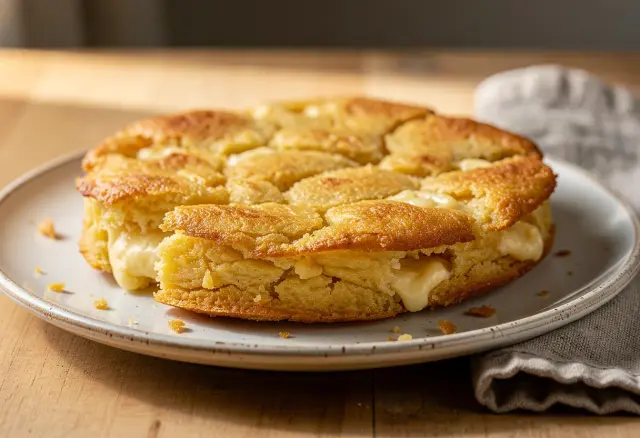
MbejúA chewy, crisp-edged starch-and-cheese griddle cake, gluten-free and pan-cooked to order, eaten with cocido at daybreak.
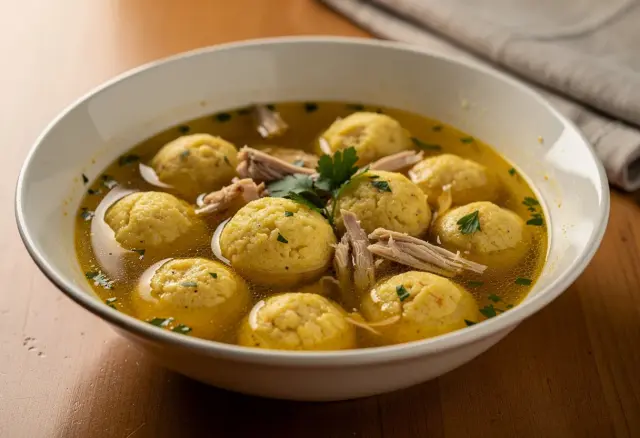
Vori VoriA golden chicken broth thick with little cornmeal-and-cheese dumplings, Paraguay's warming everyday soup.
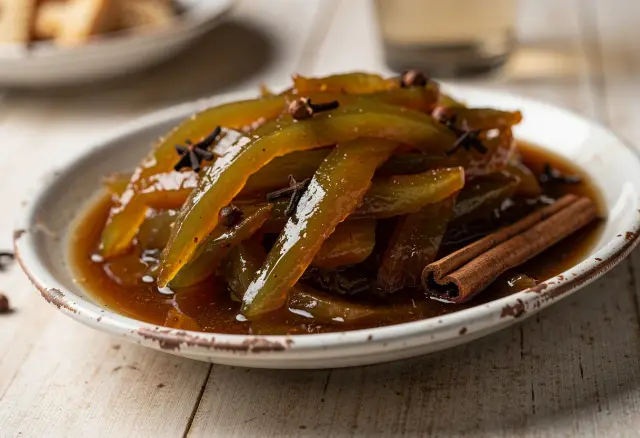
Dulce de MamónGreen papaya slow-cooked in clove-and-cinnamon syrup until translucent and jammy, a Paraguayan pantry sweet.
Browse all Paraguay recipes →
Good to know
You’ll need: Oven, Whisk.
Storing it: Best the day it is made. Wrap well and refresh in a warm oven, or freeze and reheat straight from frozen.
Make it a Paraguay meal
TereréDrink
Dulce de MamónDessert
Similar dishes from around the world
Zapiekanka (Polish Open-Faced Mushroom Baguette)Poland
Lobiani (Georgian Bean-Stuffed Bread)Georgia

Kepta Duona (Lithuanian Fried Garlic Rye Bread)Lithuania

Ka'ak al-Quds (Jerusalem Sesame Bread)Palestine
Covrigi (Romanian Pretzel Rings)Romania
Bolani (Stuffed Flatbread)Afghanistan
Cuisine
Diet
Frequently asked questions
What is Chipa (Paraguayan Cassava and Cheese Bread)?
Small rings of cassava-starch dough rich with cheese, egg and lard and scented with anise, baked until golden and sold warm by street vendors all over Paraguay.
Where does Chipa (Paraguayan Cassava and Cheese Bread) come from?
Chipa (Paraguayan Cassava and Cheese Bread) is a Paraguayan dish from Asunción, Paraguay.
Can Chipa (Paraguayan Cassava and Cheese Bread) be made vegan, gluten-free, or dairy-free?
This Chipa (Paraguayan Cassava and Cheese Bread) recipe includes substitution suggestions for vegetarian, vegan, gluten-free, dairy-free, nut-free, egg-free, and pork-free versions. Treat the substitutions as a starting guide rather than a guarantee, and see the allergen note below.
Is Chipa (Paraguayan Cassava and Cheese Bread) safe for people with food allergies?
Our dietary labels and substitutions are a cooking guide, not medical or allergen-safety advice. We track dairy, egg, gluten, tree nuts and peanuts (we still count coconut as a tree nut to be cautious, although the FDA stopped listing it as one in 2025), fish, and shellfish, but we do not screen for sesame, soy, mustard, celery, or sulphites. If you have a food allergy, always read the label on every product you use, and remember a home or commercial kitchen can cross-contaminate ingredients in ways a recipe cannot control.
How long does Chipa (Paraguayan Cassava and Cheese Bread) take to make?
About 50 minutes total (25 minutes prep, 25 minutes cooking), serving 8.
Get the Sunday Spin
One dish from somewhere in the world, in your inbox every Sunday. No spam, just dinner inspiration you can cook that day.