
🍢 SNACK
Takoyaki (Osaka Octopus Balls)
Round, crisp-skinned balls of runny dashi batter with a piece of octopus in the middle, turned in a dimpled iron pan and finished with sauce, mayonnaise, aonori and bonito flakes.
Japanese · advanced · serves 4
prep 20 min · cook 25 min
~343 cal · 13g protein · 32g carbs · 18g fat · 2g fiber · 4g sugars · 3g sat fat (estimated, per serving)
↓ Jump to Recipe
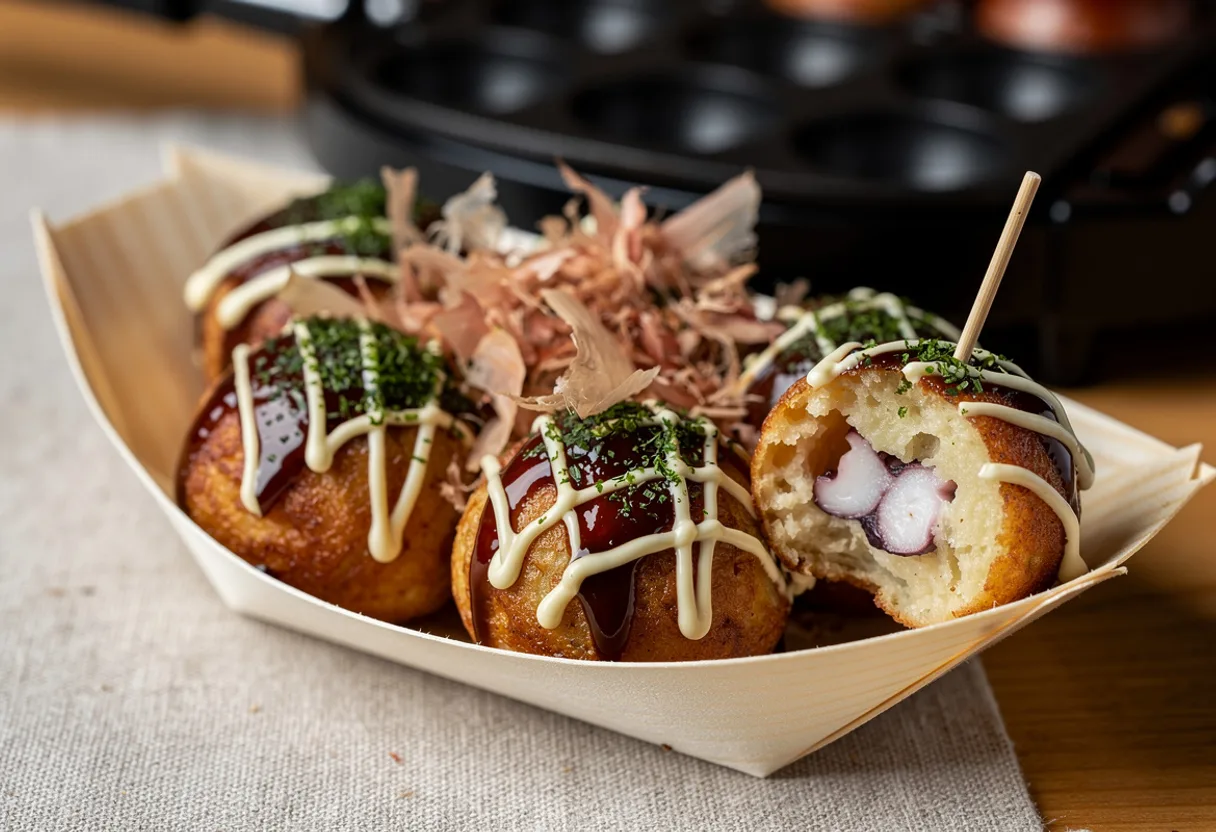
AI-generated illustration
Takoyaki, from tako (octopus) and yaki (grilled), were created in Osaka in 1935 by a street vendor, Tomekichi Endo. He built on earlier batter snacks sold in the city, choboyaki and radioyaki, and on akashiyaki, the egg-rich octopus dumplings of nearby Akashi. The now familiar finish of brown sauce and mayonnaise became standard after the Second World War.
The batter is thin, made from wheat flour, egg and plenty of dashi, and it is poured into a cast-iron pan with rows of half-round hollows. Each hollow gets a piece of boiled octopus, and the whole pan is scattered with tenkasu (tempura crumbs), chopped spring onion and pickled red ginger. As the bottoms set, the cook flicks each one over with a pick so the loose batter runs down and forms the other half of the ball.
A good takoyaki is crisp outside and molten inside, so hot that first-timers burn their mouths. Osaka stalls sell them by the six or eight in a paper boat, painted with sauce and mayonnaise and showered with aonori and bonito flakes that wave in the heat.
Saved recipes and passport stamps are kept on this device. Sign in to keep them across your devices and leave reviews.
Make it yours
✓ Naturally dairy-, nut- and pork-free. No swaps needed.
Toggle a diet and the ingredients rewrite themselves with regional substitutes.
🥕 Vegetarian
🌱 Vegan
🌾 Gluten-Free
🥛 Dairy-Free
🥜 Nut-Free
🥚 Egg-Free
🐖 Pork-Free
Dietary labels are a cooking guide, not allergen-safety advice. We track dairy, egg, gluten, tree nuts and peanuts (we count coconut as a tree nut, following FDA labeling), fish, and shellfish; we do not screen for sesame, soy, mustard, celery, or sulphites. If you have a food allergy, read the label on every product you use, and note that a kitchen can cross-contaminate in ways a recipe cannot control.
Ingredients
US
Metric
Serves 4
- 1 cup (125 g) plain flour
- 2 tsp baking powder
- 1/2 tsp salt
- 2 eggs
- 1 tsp soy sauce
- 1 1/2 cups (360 ml) dashi, cold
- 120 g boiled octopus, cut into 1 cm pieces
- 1/3 cup tenkasu (tempura crumbs)
- 2 spring onions, thinly sliced
- 1 tbsp beni shoga (pickled red ginger), minced
- 2 tbsp , for the pan
- 1/2 cup takoyaki sauce, many brands include wheat-based soy sauce and oyster or bonito extract; check the label
- 3 tbsp Japanese mayonnaise
- 1 handful bonito flakes (katsuobushi), to finish
- 1 tbsp aonori (powdered green seaweed), to finish
Instructions
- 1Whisk the flour, baking powder and salt in a bowl. Add the eggs, soy sauce and cold dashi and whisk to a smooth, very thin batter. Pour it into a jug.
- 2Heat the takoyaki pan over medium-high heat until very hot, and brush the hollows and the flat top generously with oil.
- 3Pour the batter in so it fills every hollow and floods over the top of the pan. Drop a piece of octopus into each hollow, then scatter the tenkasu, spring onion and pickled ginger all over.✎ Chef’s noteOverfilling is right. The batter spilling over the top is what gets tucked in to close up each ball.
- 4After about 3 minutes, when the bottoms have set, use a skewer to cut the batter between the hollows, then turn each ball 90 degrees, tucking the loose batter underneath it.
- 5After about 4 minutes more, turn them again to close the balls up, and keep turning every so often for another 4 minutes until they are round, evenly golden and crisp. Repeat with the rest of the batter.
- 6Tip them onto plates or into paper boats, brush with the takoyaki sauce, zigzag the mayonnaise over, and scatter with bonito flakes and aonori. Serve at once.✎ Chef’s noteThe inside stays molten for a long time. Let them sit for a minute before biting in.
Osaka street-stall tradition.
Ratings & reviews
Cooked it? Rate this dish:
No account needed. Sign in to leave a full review with a comment.
Cooked it?
Kept on this device, no account needed. Sign in to leave a review and keep your passport across your devices.
No reviews yet, be the first to cook it.
🌏 While it simmers, know your destination
📍
Osaka (Kansai). Kuidaore, eat until you drop, is Osaka's own word for its appetite, and the city organises itself around it. Dotonbori is a canal lined with stalls and enormous mechanical signs; Kuromon market sells the raw material a few streets away; and konamon, flour things, is a whole recognised category with its own trade associations promoting it.
🗺️
Japan. Dashi does the quiet work in a Japanese kitchen. Kelp carries one savoury compound and dried, smoked skipjack carries another, and combining the two multiplies the effect well beyond either alone. The taste was named umami in 1908 by Ikeda Kikunae of Tokyo Imperial University, who went looking for it after eating tofu simmered with kelp.
🌍
Asia. Asia is the world's largest and most populous continent, and its food spans the delicate seasonality of Japanese washoku, the chili-fired curries of India and Thailand, and the wheat-and-lamb traditions of Central Asia. Rice, noodles, soy, and fermentation recur across its regions, while ancient spice routes and religious traditions shaped distinct grammars of flavor. Whether from a street-cart wok or a monastery kitchen, eating is deeply communal and ritual-rich.
The story behind this dish is up top, worth a read while the pot works.
More from Japan
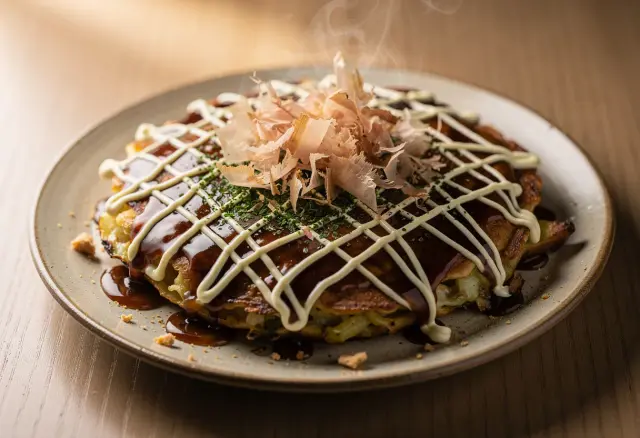
Osaka-Style OkonomiyakiA crisp-edged cabbage pancake griddled with pork belly, painted with sweet-savory sauce and mayo.
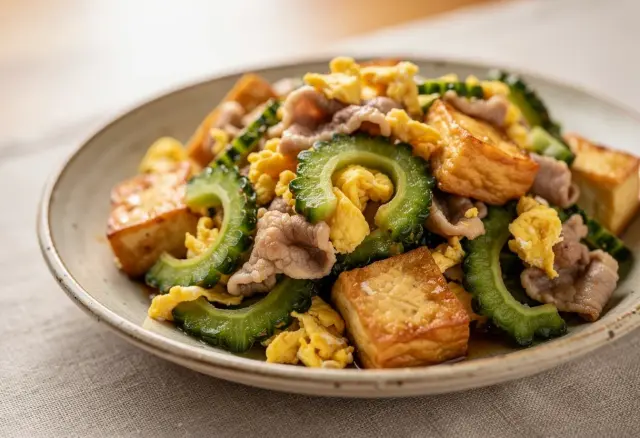
Goya ChampuruOkinawa’s signature stir-fry of bitter melon, firm tofu, pork, and egg, humble food from the island of long life.
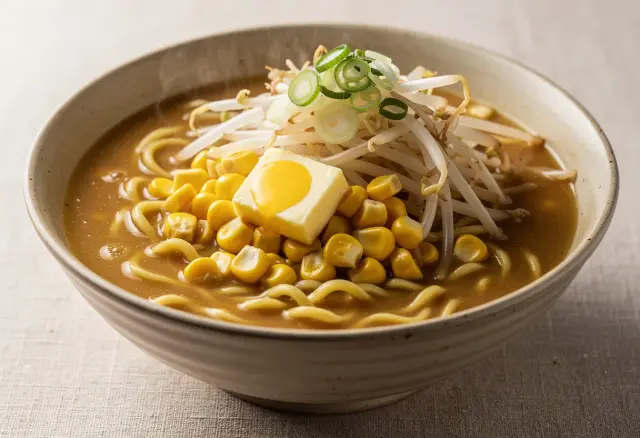
Sapporo Miso RamenSnow-country ramen: a rich miso broth with wok-seared vegetables, springy noodles, and butter melting on top.
Browse all Japan recipes →
Good to know
You’ll need: Whisk.
Storing it: Fried food is best eaten fresh while crisp. Re-crisp leftovers in a hot oven or air fryer; the microwave makes them soft.
Make it a Japan meal
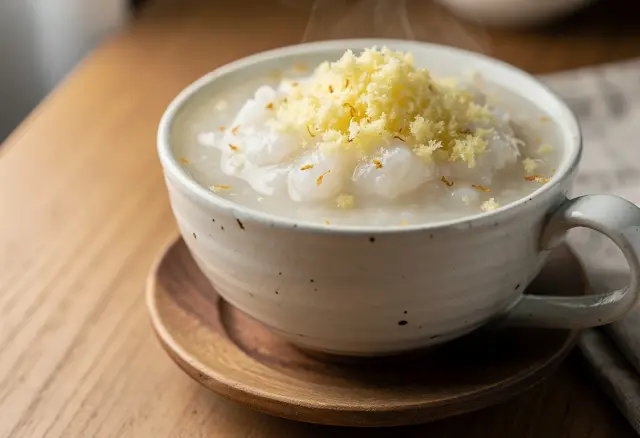
AmazakeDrink
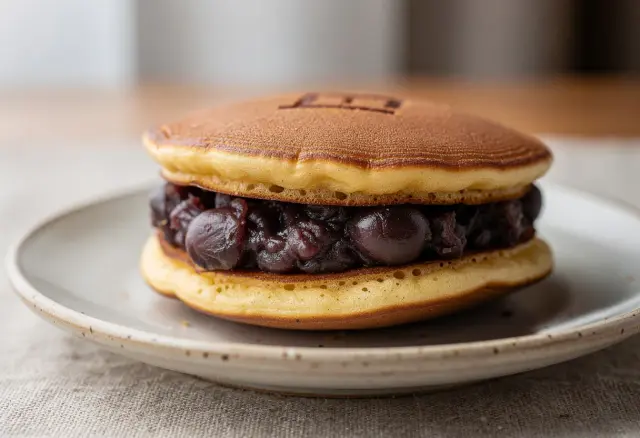
DorayakiDessert
Similar dishes from around the world
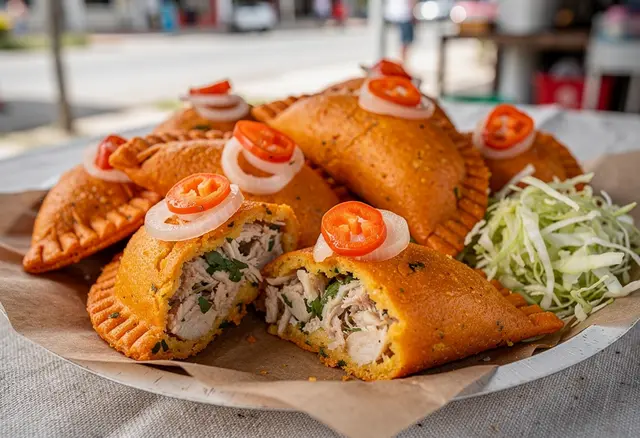
Panades (Belizean Fish-Filled Corn Turnovers)Belize
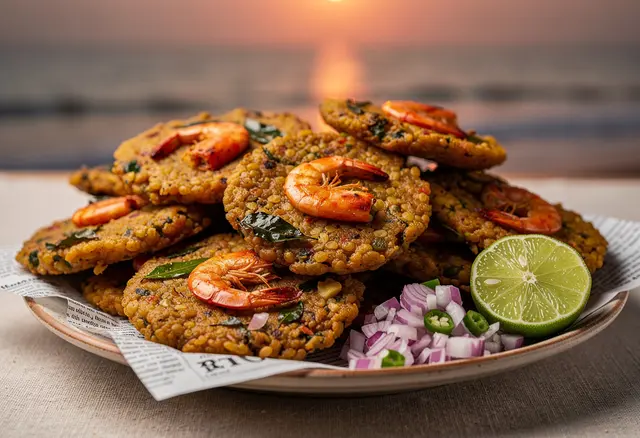
Isso Wade (Sri Lankan Prawn and Lentil Fritters)Sri Lanka

Conch FrittersBahamas
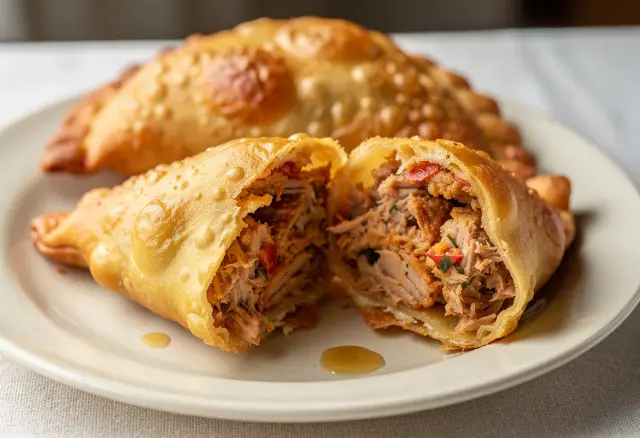
Pastel com Diabo DentroCape Verde
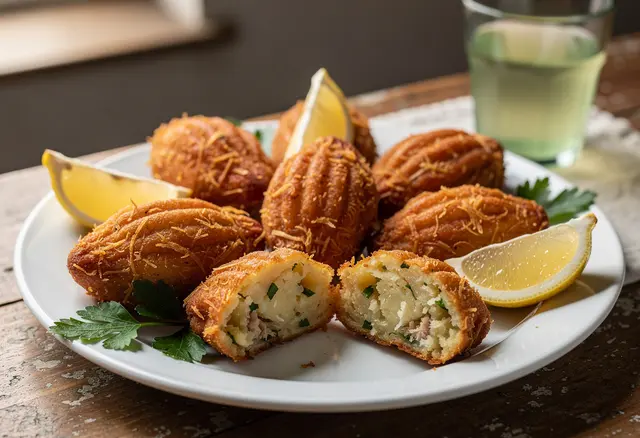
Pastéis de Bacalhau (Portuguese Salt Cod Fritters)Portugal
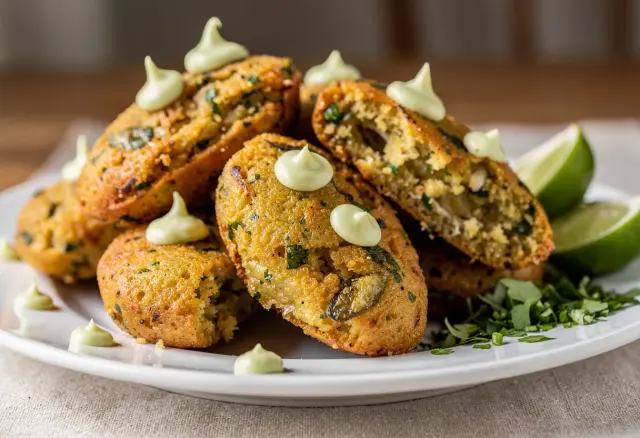
Tri-Tri CakesSaint Vincent and the Grenadines
Cuisine
Diet
Frequently asked questions
What is Takoyaki (Osaka Octopus Balls)?
Round, crisp-skinned balls of runny dashi batter with a piece of octopus in the middle, turned in a dimpled iron pan and finished with sauce, mayonnaise, aonori and bonito flakes.
Where does Takoyaki (Osaka Octopus Balls) come from?
Takoyaki (Osaka Octopus Balls) is a Japanese dish from Osaka (Kansai), Japan.
Can Takoyaki (Osaka Octopus Balls) be made vegan, gluten-free, or dairy-free?
This Takoyaki (Osaka Octopus Balls) recipe includes substitution suggestions for vegetarian, vegan, gluten-free, dairy-free, nut-free, egg-free, and pork-free versions. Treat the substitutions as a starting guide rather than a guarantee, and see the allergen note below.
Is Takoyaki (Osaka Octopus Balls) safe for people with food allergies?
Our dietary labels and substitutions are a cooking guide, not medical or allergen-safety advice. We track dairy, egg, gluten, tree nuts and peanuts (we still count coconut as a tree nut to be cautious, although the FDA stopped listing it as one in 2025), fish, and shellfish, but we do not screen for sesame, soy, mustard, celery, or sulphites. If you have a food allergy, always read the label on every product you use, and remember a home or commercial kitchen can cross-contaminate ingredients in ways a recipe cannot control.
How long does Takoyaki (Osaka Octopus Balls) take to make?
About 45 minutes total (20 minutes prep, 25 minutes cooking), serving 4.
Get the Sunday Spin
One dish from somewhere in the world, in your inbox every Sunday. No spam, just dinner inspiration you can cook that day.