Asia → North Korea → Pyongyang

🥔 SIDE
Dongchimi (North Korean Radish Water Kimchi)
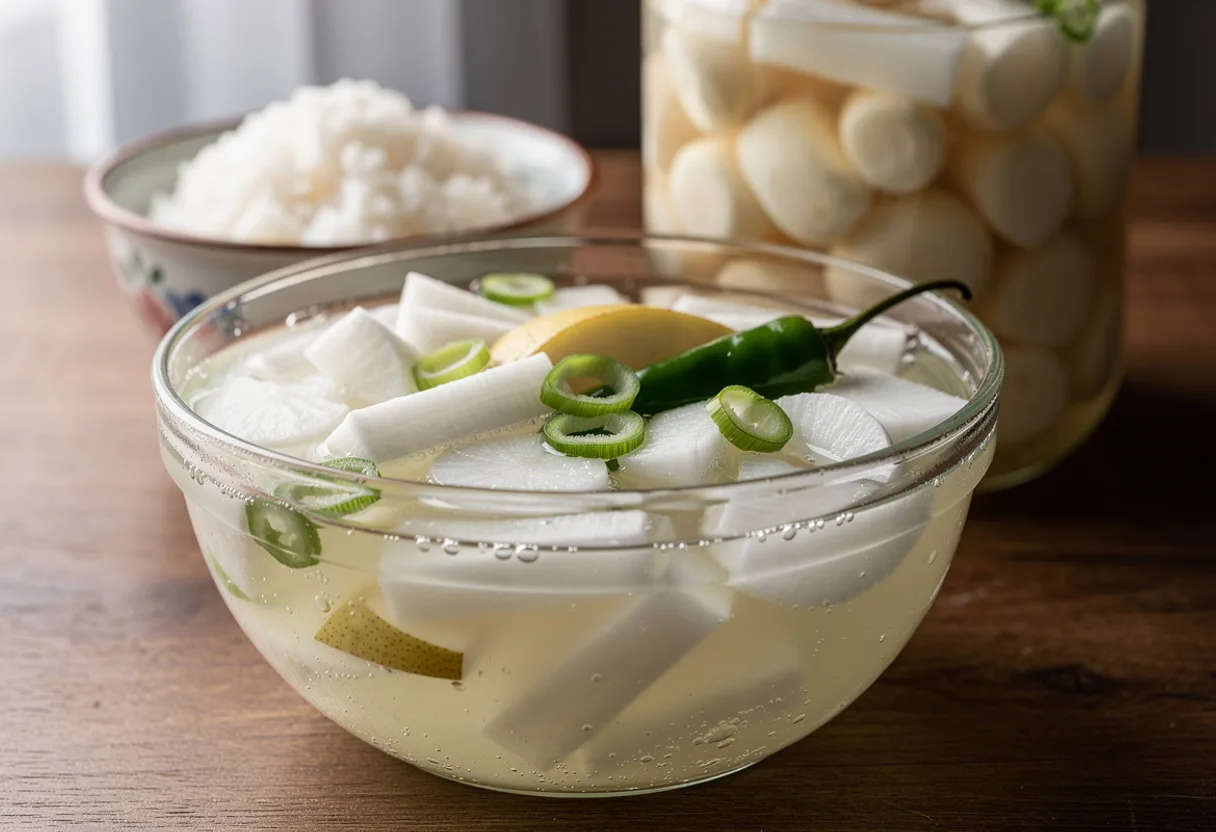
Whole Korean radishes salted, then left to sour in a clear brine with pear, garlic, ginger, green chili and scallions, giving crisp, mild pickles and an icy, tangy broth.
North Korean · easy · serves 12
prep 30 min · cook 0 min · plus 2 days hands-off time
~22 cal · 0g protein · 5g carbs · 0g fat · 1g fiber · 3g sugars · 0g sat fat (estimated, per serving)
↓ Jump to Recipe
AI-generated illustration
Dongchimi is winter kimchi made with radish and water rather than chili paste. The radishes are rubbed with salt, packed into a jar with Korean pear, garlic, ginger, green chilies and , and covered with a clear brine that sours in two or three days, a much shorter wait than most kimchi. The northern provinces, especially Pyongan around Pyongyang and Hamgyong in the northeast, are the most famous for it, and watery kimchi is one of the typical dishes of the Pyongan region.
It is served cold, the radish cut into slices or batons in a bowl with plenty of the fizzy, faintly sweet brine, and it sits beside rice and heavier dishes to refresh the palate. The brine is also the soup base for cold noodles: dongchimi guksu and naengmyeon, the cold buckwheat noodles for which Pyongyang is known, and in winter a bowl of it is served with steamed sweet potatoes or rice cakes.
Kimchi made in the north is known for being more watery and less heavily seasoned than southern kimchi, and dongchimi shows that style at its plainest.
Saved recipes and passport stamps are kept on this device. Sign in to keep them across your devices and leave reviews.
Make it yours
✓ Naturally vegetarian, vegan and gluten-, dairy-, nut-, egg- and pork-free. No swaps needed.
Toggle a diet and the ingredients rewrite themselves with regional substitutes.
🥕 Vegetarian
🌱 Vegan
🌾 Gluten-Free
🥛 Dairy-Free
🥜 Nut-Free
🥚 Egg-Free
🐖 Pork-Free
Dietary labels are a cooking guide, not allergen-safety advice. We track dairy, egg, gluten, tree nuts and peanuts (we count coconut as a tree nut, following FDA labeling), fish, and shellfish; we do not screen for sesame, soy, mustard, celery, or sulphites. If you have a food allergy, read the label on every product you use, and note that a kitchen can cross-contaminate in ways a recipe cannot control.
Ingredients
US
Metric
Serves 12
- 2 kg (about 2 radishes) Korean radish (mu), with any tender green leaves
- 1/2 cup (about 115 g) coarse sea salt (for salting the radish)
- 1 (about 300 g) Korean or Asian pear, cored and cut into wedges
- 10 garlic cloves, peeled
- 20 g fresh ginger, sliced
- 5 green chilies, whole
- 6
- 2.5 litres water, preferably filtered
- 1 1/2 tbsp coarse sea salt (for the brine)
Instructions
- 1Trim the radishes, keeping any tender inner leaves, and scrub them well without peeling; the skin keeps them crisp. Cut them in half lengthwise, or into quarters if they are large.
- 2Wet the radish pieces and roll them in the 1/2 cup salt so it clings all over. Pack them into a large clean jar or crock and leave them for 3 hours, turning once, until they bend slightly.
- 3Without rinsing, tuck the pear, garlic, ginger and whole chilies around the radish. Fold the scallions in half and lay them on top with the radish leaves.✎ Chef’s notePut the ginger in a muslin bag or tea bag if you want a very clear brine.
- 4Stir the 1 1/2 tbsp salt into the water until dissolved and pour it over, adding enough to cover everything completely. It should taste a little saltier than you would like the finished brine. Weigh everything down with a clean plate so it stays under the brine.
- 5Cover loosely and leave at cool room temperature for 2 to 3 days, until the brine turns faintly cloudy, tastes pleasantly tangy and small bubbles rise when you press the radish. Then move it to the fridge.✎ Chef’s noteIt keeps for a couple of months in the fridge as long as the radish stays under the brine, and the flavour deepens after a week.
- 6To serve, lift out a piece of radish, cut it into thin slices or batons and put it in a bowl with a few ladles of the cold brine, a slice of pear and some scallion. Serve icy cold beside rice, or use the brine as the base for cold noodles.
Northern Korean winter kimchi tradition (Pyongan and Hamgyong).
Ratings & reviews
Cooked it? Rate this dish:
No account needed. Sign in to leave a full review with a comment.
Cooked it?
Kept on this device, no account needed. Sign in to leave a review and keep your passport across your devices.
No reviews yet, be the first to cook it.
🌏 While it simmers, know your destination
📍
Pyongyang. Pyongyang is the home of naengmyeon, chewy buckwheat noodles served in an icy broth with pear and mustard. Northern Korean cooking is milder and less chili-driven than the south, with dumplings, cold dishes, and pine nuts.
🗺️
North Korea. The north is colder and higher than the south and grows differently: maize and potato do more of the work than rice, and the potato-heavy cooking of Ryanggang province is genuinely distinct. Food scarcity has been a serious and well-documented part of the country's recent history, which is the necessary context for any account of what is eaten there.
🌍
Asia. Fermentation is the thread that runs the whole way across: soy sauce and miso, Korean doenjang and kimchi, Southeast Asian fish sauces, the soured batter behind an idli. Chilli is the newcomer among them, arriving only after 1500 with Portuguese and Spanish traders, which makes the heat in Sichuan, Thai and Korean cooking far younger than the fermenting underneath it.
The story behind this dish is up top, worth a read while the pot works.
More from North Korea
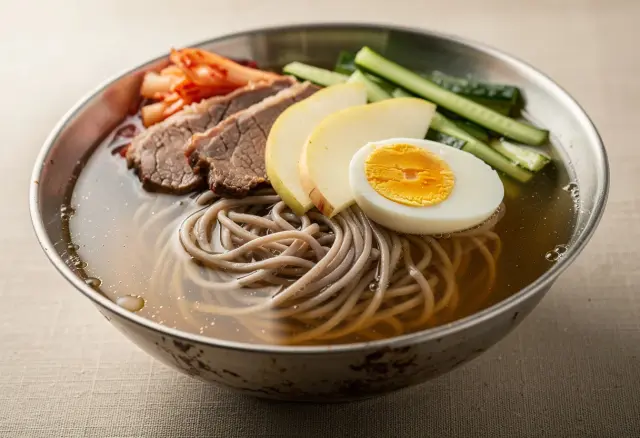
Pyongyang NaengmyeonChewy buckwheat noodles in an icy, clear beef-and-radish broth, topped with pear, egg, and pickles.
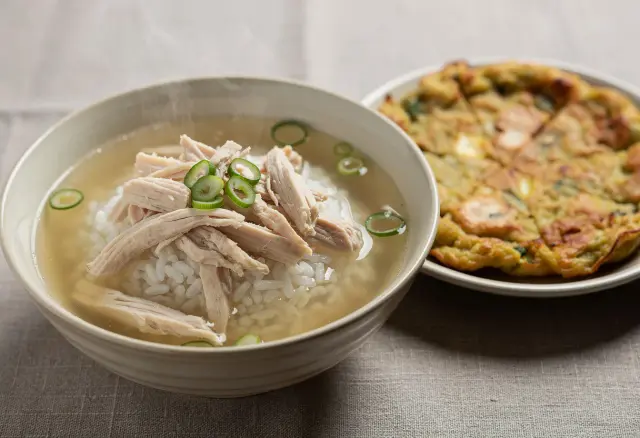
OnbanA Pyongyang bowl of warm rice in chicken broth topped with shredded chicken and a mung-bean pancake.
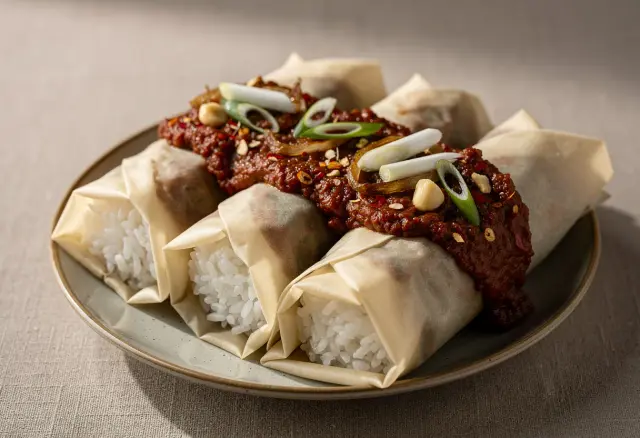
Injo-gogi-bapSheets of soybean 'meat' stuffed with rice and topped with a spicy sauce, a resourceful North Korean street food.
Browse all North Korea recipes →
Good to know
Storing it: Soup keeps 3 to 4 days refrigerated and freezes well. Reheat gently and loosen with a little water or stock if needed.
Make it a North Korea meal

SujeonggwaDrink

Gangnaengi-tteokDessert
Similar dishes from around the world

Bayerischer Kartoffelsalat (Bavarian Potato Salad)Germany
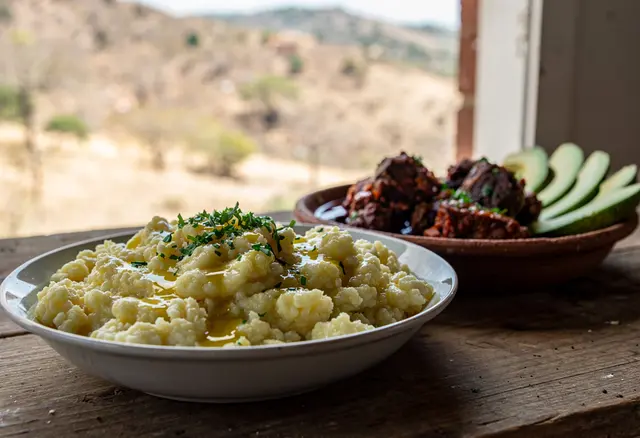
Chenchén (Dominican Savoury Cracked Corn)Dominican Republic
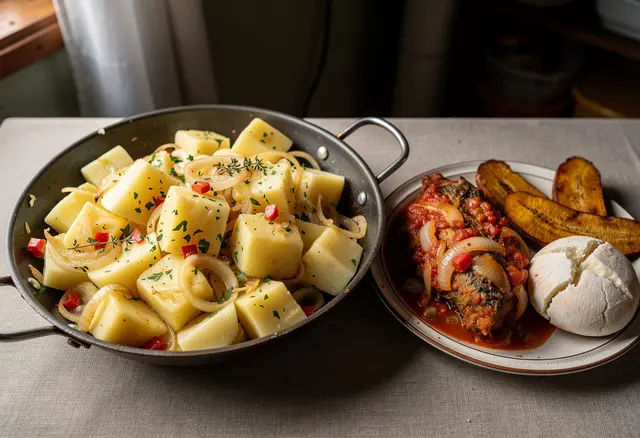
Seasoned Breadfruit (Kittitian Style)Saint Kitts and Nevis
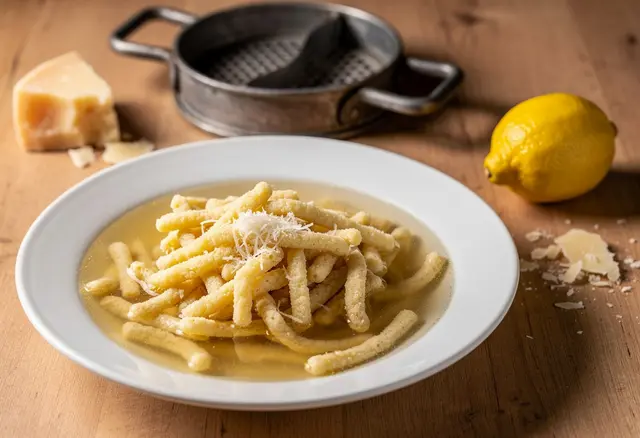
Passatelli in Brodo (Breadcrumb and Parmesan Noodles in Broth)San Marino
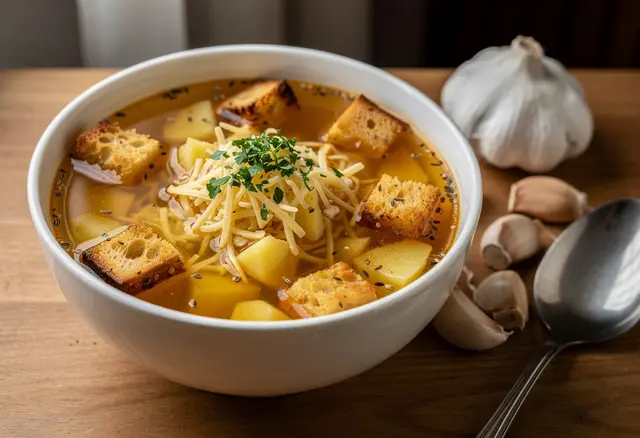
Cesnaková Polievka (Slovak Garlic and Potato Soup)Slovakia
RibollitaItaly
Cuisine
Diet
Frequently asked questions
What is Dongchimi (North Korean Radish Water Kimchi)?
Whole Korean radishes salted, then left to sour in a clear brine with pear, garlic, ginger, green chili and scallions, giving crisp, mild pickles and an icy, tangy broth.
Where does Dongchimi (North Korean Radish Water Kimchi) come from?
Dongchimi (North Korean Radish Water Kimchi) is a North Korean dish from Pyongyang, North Korea.
Can Dongchimi (North Korean Radish Water Kimchi) be made vegan, gluten-free, or dairy-free?
This Dongchimi (North Korean Radish Water Kimchi) recipe includes substitution suggestions for vegetarian, vegan, gluten-free, dairy-free, nut-free, egg-free, and pork-free versions. Treat the substitutions as a starting guide rather than a guarantee, and see the allergen note below.
Is Dongchimi (North Korean Radish Water Kimchi) safe for people with food allergies?
Our dietary labels and substitutions are a cooking guide, not medical or allergen-safety advice. We track dairy, egg, gluten, tree nuts and peanuts (we still count coconut as a tree nut to be cautious, although the FDA stopped listing it as one in 2025), fish, and shellfish, but we do not screen for sesame, soy, mustard, celery, or sulphites. If you have a food allergy, always read the label on every product you use, and remember a home or commercial kitchen can cross-contaminate ingredients in ways a recipe cannot control.
How long does Dongchimi (North Korean Radish Water Kimchi) take to make?
About 2 days in all: 30 minutes prep and 0 minutes cooking, plus 2 days of hands-off waiting the method needs, serving 12.
Get the Sunday Spin
One dish from somewhere in the world, in your inbox every Sunday. No spam, just dinner inspiration you can cook that day.