Oceania → Marshall Islands → Majuro

🍢 SNACK
Mokwan (Marshallese Dried Pandanus Paste)
Ripe pandanus keys cooked until soft, scraped for their sweet orange pulp, simmered until red-brown and dried into thin sheets that are rolled, wrapped in leaves and sliced as a chewy snack.
Marshallese · medium · serves 8
prep 60 min · cook 540 min
~0 cal · 0g protein · 0g carbs · 0g fat · 0g fiber · 0g sugars · 0g sat fat (estimated, per serving)
↓ Jump to Recipe

AI-generated illustration
Mokwan, called jããnkun on the western Ralik chain, is dried pandanus paste, one of the great preserved foods of the Marshall Islands. Pandanus, bōb in Marshallese, grows well on the dry, sandy atolls where little else will, and its huge ripe fruit, made up of dozens of fibrous orange keys, is sweet and rich in vitamin A. Preserved as mokwan it keeps for years, so it fed families through droughts and famine, went to sea with sailors and canoe builders on long voyages between atolls, and was traditionally fed to babies and old people.
Making it is communal work, as the Marshallese nutritionist Ione Heine deBrum has described. Men, women and children gather the heavy ripe bunches, and the women pull off the keys, wash them and cook them in an um, an earth oven, through the day or overnight. Then the men extract the soft pulp with a scraping tool, the juicy paste is simmered in a pot until it turns red or light brown, and the women spread it thinly on banana leaves in the sun, turning it until it dries, which takes two or three days. The dry sheets are cut, rolled, wrapped tightly in pandanus leaves and tied with coconut-fibre sennit. The largest roll goes to the chief.
Slices are eaten as a chewy, honeyed snack, often with coconut, and mokwan can also be dissolved in water to make jōnnōb, a drink. The same thing is made in Kiribati, Nauru and the Federated States of Micronesia. You need ripe pandanus fruit, found only in Pacific markets; a home oven stands in for the um and the sun.
Saved recipes and passport stamps are kept on this device. Sign in to keep them across your devices and leave reviews.
Make it yours
✓ Naturally vegetarian, vegan and gluten-, dairy-, nut-, egg- and pork-free. No swaps needed.
Toggle a diet and the ingredients rewrite themselves with regional substitutes.
🥕 Vegetarian
🌱 Vegan
🌾 Gluten-Free
🥛 Dairy-Free
🥜 Nut-Free
🥚 Egg-Free
🐖 Pork-Free
Dietary labels are a cooking guide, not allergen-safety advice. We track dairy, egg, gluten, tree nuts and peanuts (we count coconut as a tree nut, following FDA labeling), fish, and shellfish; we do not screen for sesame, soy, mustard, celery, or sulphites. If you have a food allergy, read the label on every product you use, and note that a kitchen can cross-contaminate in ways a recipe cannot control.
Ingredients
US
Metric
Serves 8
- 1 large fruit (about 50 keys) ripe pandanus fruit (bōb), keys pulled apart, sold ripe in Pacific and some Asian markets; the keys should be orange and sweet-smelling
- several large pieces banana leaves, or baking paper
- enough to wrap dried pandanus or banana leaves and kitchen string, for wrapping
Instructions
- 1Wash the pandanus keys well. Pack them into a large steamer or a covered roasting tin with a little water and cook in a 180C (350F) oven or over steam for about 2 hours, until the fibrous ends are completely soft.✎ Chef’s noteHome-oven adaptation: traditionally the keys cook in an um, an earth oven, through the day or overnight. Wash the keys well first; raw pandanus can itch the mouth.
- 2While the keys are still warm, scrape the soft orange pulp from the fibres of each one with the edge of a spoon or a shell, pressing hard, into a bowl. Discard the fibres.
- 3Tip the pulp into a heavy pot and simmer over low heat, stirring constantly, for about 30 minutes, until it thickens into a smooth paste and turns red or light brown.✎ Chef’s noteJudge it as Marshallese cooks do, by colour and taste rather than the clock. Keep stirring; it catches easily.
- 4Spread the paste very thinly, about 3 mm, over banana leaves or baking paper on trays. Dry it in the oven at its lowest setting, about 60C (140F), with the door slightly open, for about 6 hours, turning the sheets over halfway, until dry, leathery and no longer sticky.
- 5Peel the sheets off the leaves, cut them into even strips and roll them up tightly into a log. Wrap the log snugly in dried leaves and tie it firmly with string so no air gets in.
- 6Slice off pieces to eat as a chewy snack. Wrapped airtight and kept dry, it keeps for months.
Marshallese tradition (as described by Ione Heine deBrum).
Ratings & reviews
Cooked it? Rate this dish:
No account needed. Sign in to leave a full review with a comment.
Cooked it?
Kept on this device, no account needed. Sign in to leave a review and keep your passport across your devices.
No reviews yet, be the first to cook it.
🌏 While it simmers, know your destination
📍
Majuro. Fermented breadfruit has a name and a method: bwiro. Green breadfruit is scraped and cored, soaked in seawater for days, kneaded and then buried in a leaf-lined pit, where it keeps for a year or more against a lean season or a storm. The dried forms, jaankun and manakajen, keep longer still.
🗺️
Marshall Islands. The Marshallese-English dictionary records around twenty distinct breadfruit preparations, which is a fair measure of how central the tree is. Iaraj is the giant swamp taro, grown in dug pits like Kiribati's babai, and the um is the earth oven, the same hot-stone method used across the Pacific under other names.
🌍
Oceania. The staple crops here were carried on purpose. Lapita voyagers moving east from roughly three thousand years ago brought taro, yam, banana, breadfruit and coconut with them along with pigs and chickens, because most of the islands they settled had almost nothing edible growing on them. The earth oven travelled too, as umu, imu, hangi, lovo, mumu, motu and um.
The story behind this dish is up top, worth a read while the pot works.
More from Marshall Islands
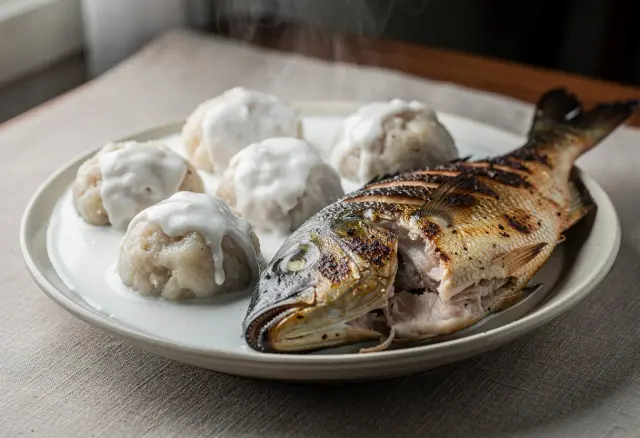
Bwiro with FishPreserved-breadfruit dumplings in sweet coconut, served with grilled reef fish.

Marshallese Banana PancakesThick, sweet banana pancakes flecked with coconut, griddled golden, a modern Marshall Islands breakfast favorite.
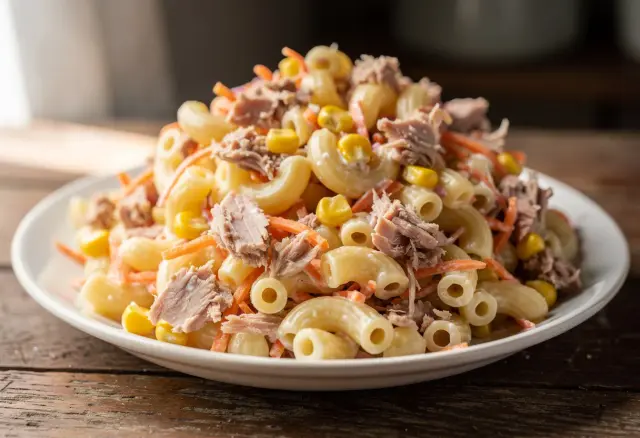
Marshallese Macaroni SaladA cool, creamy macaroni salad with tinned tuna and crisp vegetables, the potluck staple of the Marshall Islands.
Browse all Marshall Islands recipes →
Good to know
You’ll need: Pot or saucepan, Oven, Steamer, Blender, Mould or tin.
Storing it: Fried food is best eaten fresh while crisp. Re-crisp leftovers in a hot oven or air fryer; the microwave makes them soft.
Make it a Marshall Islands meal
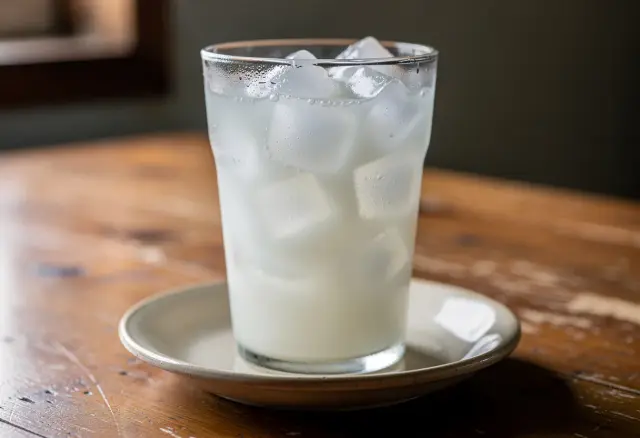
JekaroDrink
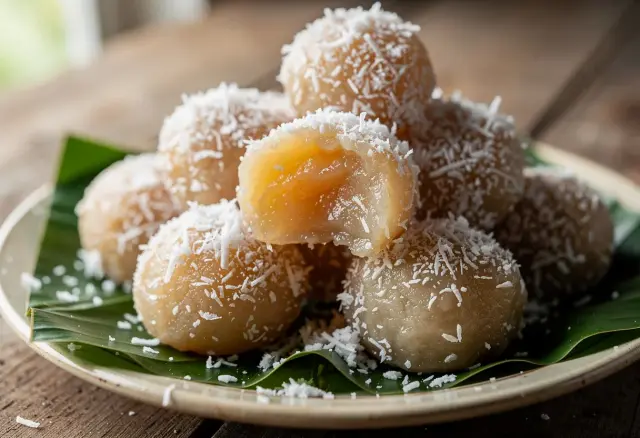
Benben in Mokmok (Arrowroot and Coconut Sap Dumplings)Dessert
Similar dishes from around the world
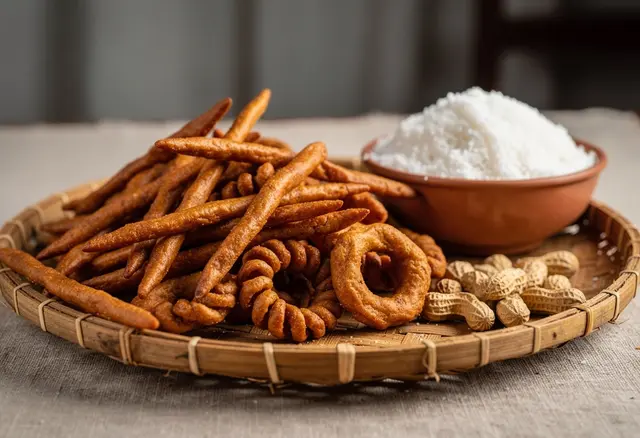
Klui-Klui (Beninese Peanut Sticks)Benin

Baya Kyaw (Burmese Split Pea Fritters)Myanmar

Accra Banana (Cameroonian Banana and Cassava Fritters)Cameroon

Mariquitas (Cuban Green Plantain Chips with Mojo)Cuba
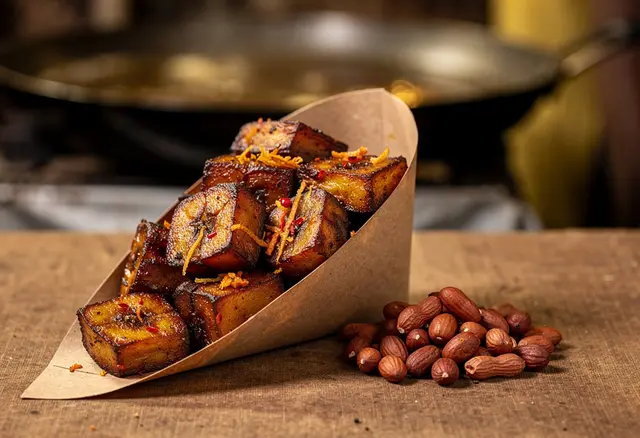
Kelewele (Ghanaian Spiced Fried Plantain)Ghana
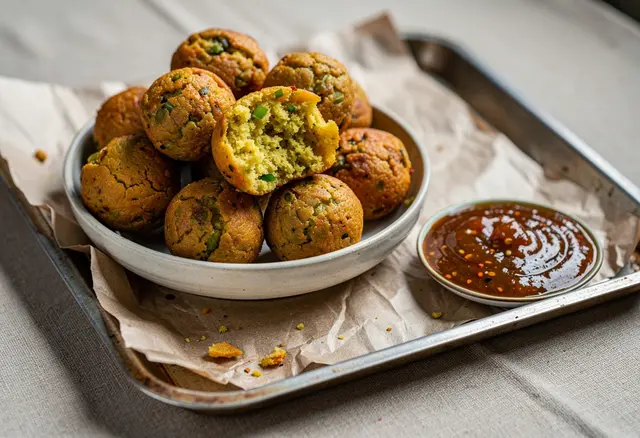
Pholourie (Guyanese Split Pea Fritters)Guyana
Cuisine
Diet
Frequently asked questions
What is Mokwan (Marshallese Dried Pandanus Paste)?
Ripe pandanus keys cooked until soft, scraped for their sweet orange pulp, simmered until red-brown and dried into thin sheets that are rolled, wrapped in leaves and sliced as a chewy snack.
Where does Mokwan (Marshallese Dried Pandanus Paste) come from?
Mokwan (Marshallese Dried Pandanus Paste) is a Marshallese dish from Majuro, Marshall Islands.
Can Mokwan (Marshallese Dried Pandanus Paste) be made vegan, gluten-free, or dairy-free?
This Mokwan (Marshallese Dried Pandanus Paste) recipe includes substitution suggestions for vegetarian, vegan, gluten-free, dairy-free, nut-free, egg-free, and pork-free versions. Treat the substitutions as a starting guide rather than a guarantee, and see the allergen note below.
Is Mokwan (Marshallese Dried Pandanus Paste) safe for people with food allergies?
Our dietary labels and substitutions are a cooking guide, not medical or allergen-safety advice. We track dairy, egg, gluten, tree nuts and peanuts (we still count coconut as a tree nut to be cautious, although the FDA stopped listing it as one in 2025), fish, and shellfish, but we do not screen for sesame, soy, mustard, celery, or sulphites. If you have a food allergy, always read the label on every product you use, and remember a home or commercial kitchen can cross-contaminate ingredients in ways a recipe cannot control.
How long does Mokwan (Marshallese Dried Pandanus Paste) take to make?
About 600 minutes total (60 minutes prep, 540 minutes cooking), serving 8.
Get the Sunday Spin
One dish from somewhere in the world, in your inbox every Sunday. No spam, just dinner inspiration you can cook that day.