
🍢 SNACK
Qassatat (Maltese Ricotta Pastries)
Round shortcrust pastries pleated up around a filling of fresh ricotta, egg and a little grated cheese, left open at the top and baked golden, sold beside pastizzi in every Maltese pastizzeria.
Maltese · medium · serves 10
prep 40 min · cook 30 min · plus 30 min hands-off time
~442 cal · 13g protein · 36g carbs · 27g fat · 1g fiber · 0g sugars · 16g sat fat (estimated, per serving)
↓ Jump to Recipe
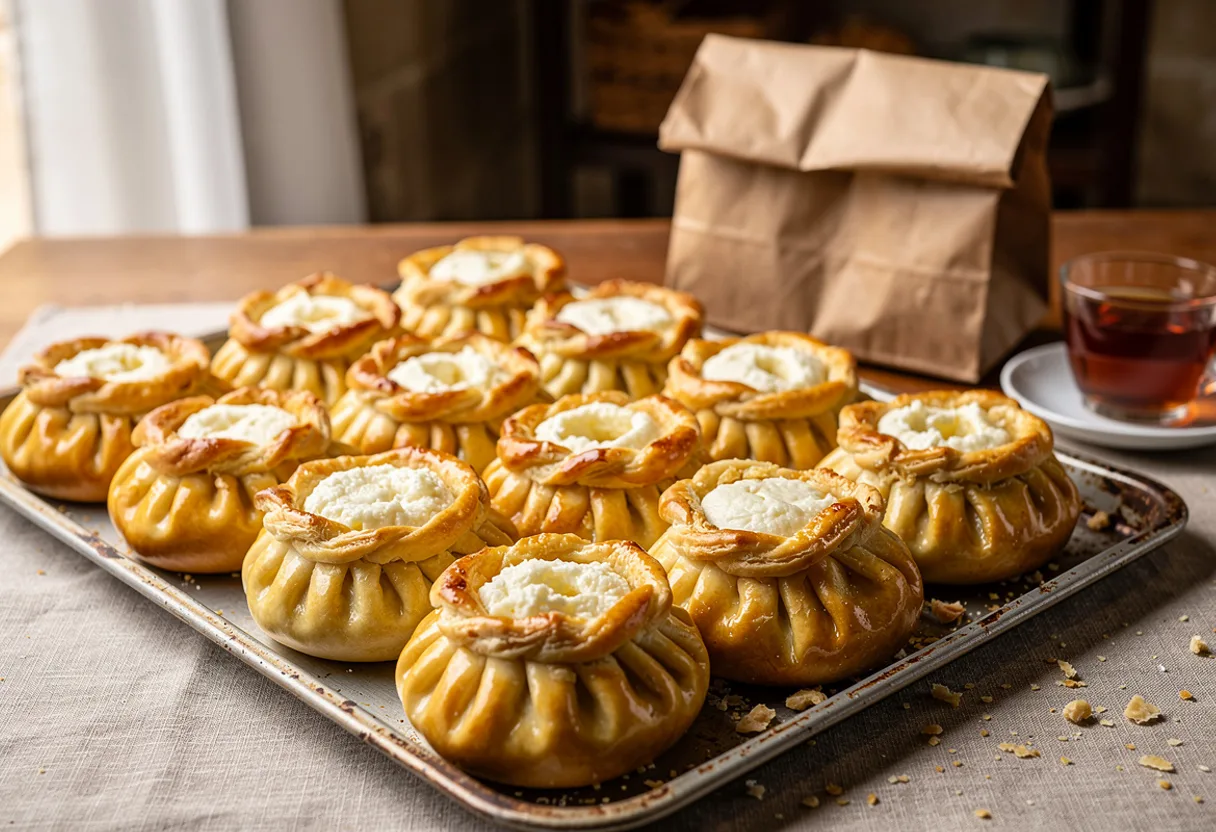
AI-generated illustration
Qassatat are the other half of the Maltese pastizzeria counter. Where pastizzi are made of flaky, layered pastry, qassatat are round, made of a crumbly shortcrust, and pleated up around their filling like a little open purse. They are street food, eaten warm, and after pastizzi they are the islands' most eaten savoury pastry; wherever pastizzi are sold qassatat are usually sitting beside them.
The name is thought to come from the Sicilian cassata, itself from the Latin caseus, cheese, and cheese is the most traditional filling: fresh ricotta beaten with egg, salt and pepper, sometimes with grated hard cheese. Mushy peas, spinach with anchovies and, in spring, cheese with fresh broad beans are the other common fillings, and homemade qassatat are especially popular around Easter.
The pastry is a simple mix of flour, butter, salt and water. Circles of it are topped with a spoonful of filling and the edges folded up and pleated as the pastry is turned, leaving the filling showing at the top, then brushed with egg and baked until golden.
Saved recipes and passport stamps are kept on this device. Sign in to keep them across your devices and leave reviews.
Make it yours
✓ Naturally vegetarian and nut- and pork-free. No swaps needed.
Toggle a diet and the ingredients rewrite themselves with regional substitutes.
🥕 Vegetarian
🌱 Vegan
🌾 Gluten-Free
🥛 Dairy-Free
🥜 Nut-Free
🥚 Egg-Free
🐖 Pork-Free
Dietary labels are a cooking guide, not allergen-safety advice. We track dairy, egg, gluten, tree nuts and peanuts (we count coconut as a tree nut, following FDA labeling), fish, and shellfish; we do not screen for sesame, soy, mustard, celery, or sulphites. If you have a food allergy, read the label on every product you use, and note that a kitchen can cross-contaminate in ways a recipe cannot control.
Ingredients
US
Metric
Serves 10
- 450 g plain flour, plus a little for rolling
- 1/2 tsp salt, plus a pinch for the filling
- 225 g cold butter, diced
- 120 ml cold water, add the last of it only if needed
- 450 g ricotta
- 2 eggs (for the filling), use one if the ricotta is very soft
- 40 g pecorino or Parmesan, finely grated, optional; traditional pecorino and Parmesan are made with animal rennet; strict vegetarians should use a vegetarian-rennet hard cheese
- a pinch black pepper
- 1 egg, beaten, for glazing
Instructions
- 1Rub the butter into the flour and salt until it looks like breadcrumbs, then add just enough cold water to bring it into a dough. Knead briefly until combined, shape into a ball, cover and rest for 30 minutes.
- 2Beat the ricotta with the eggs, grated cheese, a pinch of salt and pepper until smooth. It should be thick, not runny.✎ Chef’s noteDrain watery ricotta in a sieve for an hour first, or the filling runs out in the oven.
- 3Heat the oven to 200°C and line two baking trays. Roll the pastry out about 3 mm thick and cut circles about 11 cm across.
- 4Put a heaped tablespoon of filling in the centre of each circle. Lift the edge of the pastry up around the filling and pleat it as you turn the circle, folding one pleat in front of the next, so the pastry forms a round case open at the top.
- 5Set on the trays, brush the pastry with beaten egg and bake for about 30 minutes, until golden. Eat warm.
Maltese pastizzeria tradition.
Ratings & reviews
Cooked it? Rate this dish:
No account needed. Sign in to leave a full review with a comment.
Cooked it?
Kept on this device, no account needed. Sign in to leave a review and keep your passport across your devices.
No reviews yet, be the first to cook it.
🌏 While it simmers, know your destination
📍
Valletta. The rabbit habit is usually linked to the end of the Knights' hunting restrictions in the late eighteenth century, after which Maltese could take rabbits freely; reading the meal as a gesture of defiance is a theory rather than a documented fact. The rest of the pantry sits between Sicily and North Africa: capers, broad beans, sun-dried tomato.
🗺️
Malta. The fenkata is the occasion rather than the recipe: rabbit stewed slowly in wine and garlic, traditionally served in two courses, the sauce over pasta first and the meat afterwards, and eaten in company that stretches across an afternoon. One account links its rise to the lifting of hunting restrictions after the Knights left in the late eighteenth century, which is a theory worth attributing rather than stating.
🌍
Europe. Europe has written a great deal of its food into law. A regulation of 1992 created the protected designation of origin and the protected geographical indication, tying a name to a place and a method, and an EU evaluation published in 2021 counted more than three thousand registered names across those schemes, from cheeses and hams down to particular shapes of bread.
The story behind this dish is up top, worth a read while the pot works.
More from Malta
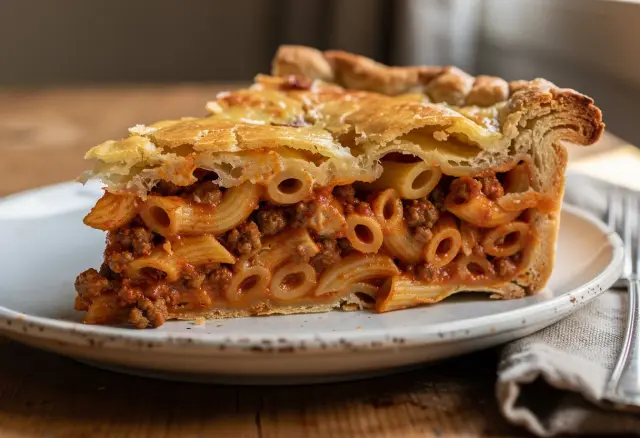
Timpana (Baked Macaroni Pie)Tubular pasta in a rich meat-and-tomato sauce, bound with egg and cheese and baked inside a pastry case until golden, then cut into slabs.
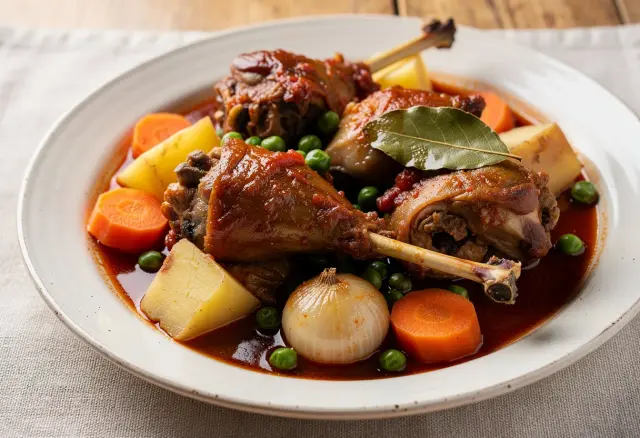
Stuffat tal-Fenek (Rabbit Stew)Malta’s national dish: slow-braised rabbit in red wine, tomato, and bay, the centerpiece of a village fenkata feast.
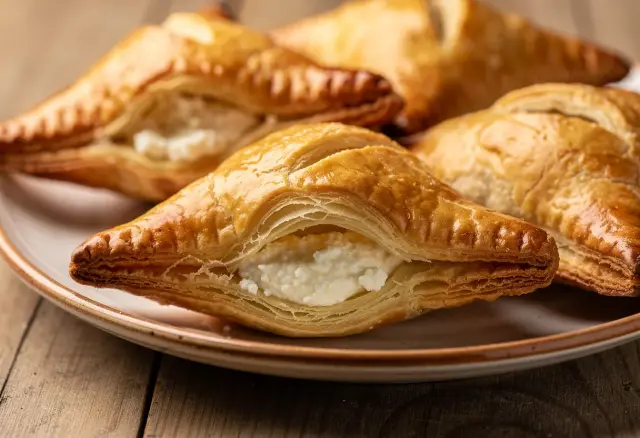
PastizziDiamond-shaped flaky pastries filled with ricotta or mushy peas, Malta's favorite savory bite.
Browse all Malta recipes →
Good to know
You’ll need: Oven.
Storing it: Store in an airtight container. Most keep 2 to 3 days at room temperature, and longer refrigerated.
Make it a Malta meal
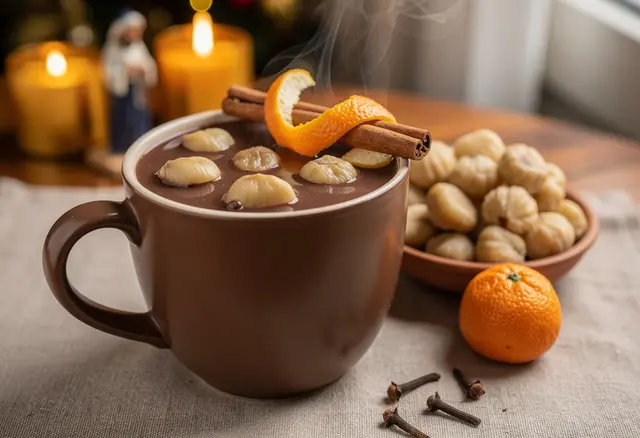
Imbuljuta tal-Qastan (Maltese Chestnut and Cocoa Drink)Drink
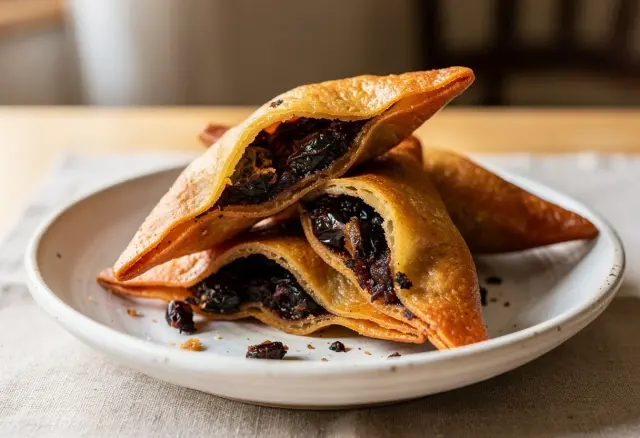
ImqaretDessert
Similar dishes from around the world
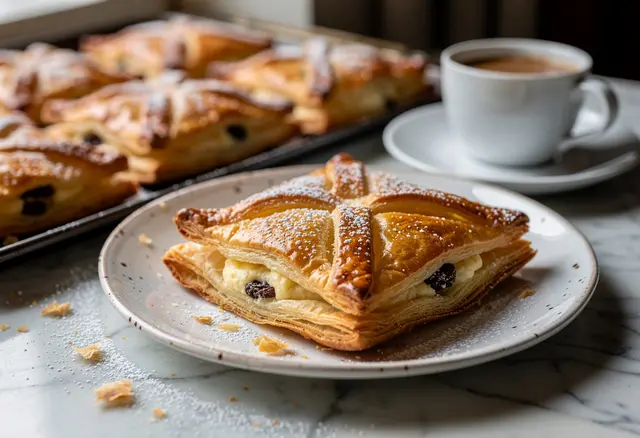
Topfengolatsche (Austrian Quark Pastry)Austria
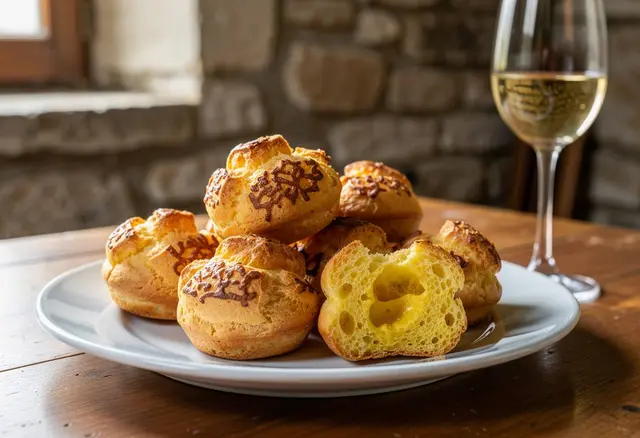
Gougères (Burgundy Cheese Puffs)France
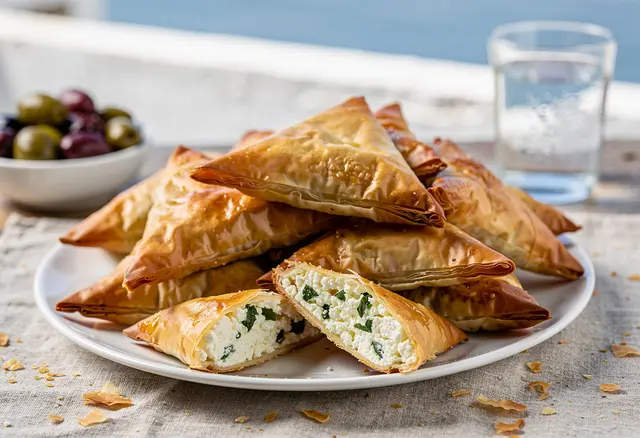
Tiropitakia (Greek Feta Cheese Phyllo Triangles)Greece
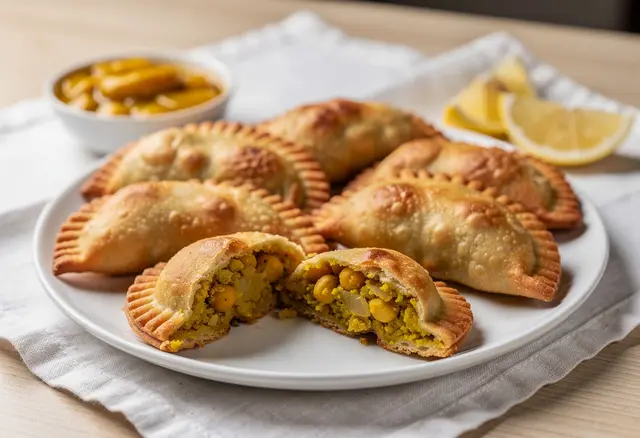
Sambusak b'Tawa (Iraqi Chickpea Turnovers)Iraq
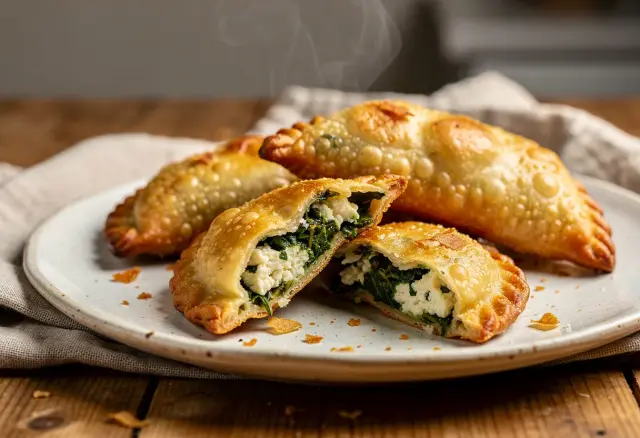
BarbagiuanMonaco
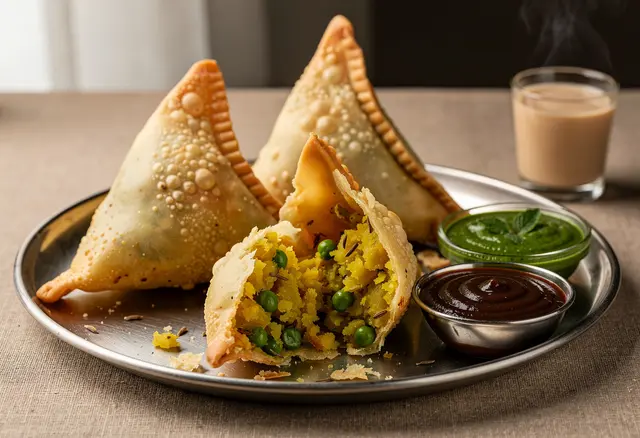
Aloo Samosa (Punjabi Spiced Potato Samosa)India
Cuisine
Diet
Frequently asked questions
What is Qassatat (Maltese Ricotta Pastries)?
Round shortcrust pastries pleated up around a filling of fresh ricotta, egg and a little grated cheese, left open at the top and baked golden, sold beside pastizzi in every Maltese pastizzeria.
Where does Qassatat (Maltese Ricotta Pastries) come from?
Qassatat (Maltese Ricotta Pastries) is a Maltese dish from Valletta, Malta.
Can Qassatat (Maltese Ricotta Pastries) be made vegan, gluten-free, or dairy-free?
This Qassatat (Maltese Ricotta Pastries) recipe includes substitution suggestions for vegetarian, vegan, gluten-free, dairy-free, nut-free, egg-free, and pork-free versions. Treat the substitutions as a starting guide rather than a guarantee, and see the allergen note below.
Is Qassatat (Maltese Ricotta Pastries) safe for people with food allergies?
Our dietary labels and substitutions are a cooking guide, not medical or allergen-safety advice. We track dairy, egg, gluten, tree nuts and peanuts (we still count coconut as a tree nut to be cautious, although the FDA stopped listing it as one in 2025), fish, and shellfish, but we do not screen for sesame, soy, mustard, celery, or sulphites. If you have a food allergy, always read the label on every product you use, and remember a home or commercial kitchen can cross-contaminate ingredients in ways a recipe cannot control.
How long does Qassatat (Maltese Ricotta Pastries) take to make?
About 1 h 40 min in all: 40 minutes prep and 30 minutes cooking, plus 30 min of hands-off waiting the method needs, serving 10.
Get the Sunday Spin
One dish from somewhere in the world, in your inbox every Sunday. No spam, just dinner inspiration you can cook that day.