Asia → Kyrgyzstan → Bishkek

🍢 SNACK
Kurut (Kyrgyz Dried Salted Yogurt Balls)
Soured milk strained into thick suzma, salted, rolled into small balls and dried in the sun until hard, a tangy, very salty snack that keeps for months.
Kyrgyz · easy · serves 10
prep 40 min · cook 15 min · plus 3.5 days hands-off time
~3 cal · 0g protein · 0g carbs · 0g fat · 0g fiber · 0g sugars · 0g sat fat (estimated, per serving)
↓ Jump to Recipe

AI-generated illustration
Kurut is the snack Kyrgyzstan carries in its pocket. It is made from suzma, cultured milk strained through cloth until thick, which is salted, shaped into balls, discs or little cylinders and dried until firm. The taste is sharp, sour and distinctly salty, and it keeps without a fridge, which is why nomadic families have always made it in summer when the herds give plenty of milk and stored it for the winter.
On the summer pastures the whole family takes part: the milk is boiled, left to sour into a yogurt for several hours, drained, and then an older member of the family rolls the balls by hand and sets them out in the sun beside the yurt. In Bishkek and the market towns whole stalls at the bazaars sell nothing else, and small packets of kurut are sold at roadside stands next to sunflower seeds.
It is eaten as it is, broken into pieces or sucked slowly if it is very hard, taken on journeys, and eaten with beer for its salt. It is also crumbled into dishes or dissolved in hot water to make a sour sauce or soup. Hardness and saltiness vary from family to family, and some cooks add pepper, herbs or a smoky flavour.
Saved recipes and passport stamps are kept on this device. Sign in to keep them across your devices and leave reviews.
Make it yours
✓ Naturally vegetarian and gluten-, nut-, egg- and pork-free. No swaps needed.
Toggle a diet and the ingredients rewrite themselves with regional substitutes.
🥕 Vegetarian
🌱 Vegan
🌾 Gluten-Free
🥛 Dairy-Free
🥜 Nut-Free
🥚 Egg-Free
🐖 Pork-Free
Dietary labels are a cooking guide, not allergen-safety advice. We track dairy, egg, gluten, tree nuts and peanuts (we count coconut as a tree nut, following FDA labeling), fish, and shellfish; we do not screen for sesame, soy, mustard, celery, or sulphites. If you have a food allergy, read the label on every product you use, and note that a kitchen can cross-contaminate in ways a recipe cannot control.
Ingredients
US
Metric
Serves 10
- 3 litres whole milk (cow or sheep)
- 3 tbsp plain live yogurt, as a starter
- 2 tsp salt, or more, to taste
Instructions
- 1Bring the milk slowly to the boil in a large pot over medium heat, stirring now and then so it does not catch, about 15 minutes. Take it off the heat and let it cool until it feels just warm on your finger, about 45C (113F).
- 2Stir a ladle of the warm milk into the yogurt, then stir the mixture back into the pot. Cover, wrap the pot in a blanket or towel and leave it in a warm place to ferment for 8 hours, until set and pleasantly sour.
- 3Line a colander with a double layer of clean muslin or cheesecloth and pour in the soured milk. Tie the corners and hang the bag over a bowl in a cool place, or set it in the fridge, and let it drain for at least 24 hours, until the curd is thick, dry and firm enough to mould. This is suzma.✎ Chef’s noteKeep the drained whey: it is good for bread dough or for drinking with salt.
- 4Tip the suzma into a bowl and work in the salt with your hands until evenly mixed. Taste it; kurut should be distinctly salty.
- 5Take a tablespoon at a time and roll it firmly between your palms into a ball, pressing hard so it is compact and smooth. Set the balls on a tray lined with a clean cloth or baking paper, not touching.✎ Chef’s noteLoosely pressed balls crack as they dry. Wet your hands lightly if the curd sticks.
- 6Dry the balls in the sun or in a warm, airy room for 2 to 3 days, turning them once a day, until hard right through. Store them in a cloth bag or a jar and eat them as a snack, or dissolve them in hot water for a sour sauce.✎ Chef’s noteIf you have no sun, dry them in the oven at its lowest setting, no hotter than 60C (140F), with the door propped open, until hard.
Kyrgyz nomadic dairy tradition.
Ratings & reviews
Cooked it? Rate this dish:
No account needed. Sign in to leave a full review with a comment.
Cooked it?
Kept on this device, no account needed. Sign in to leave a review and keep your passport across your devices.
No reviews yet, be the first to cook it.
🌏 While it simmers, know your destination
📍
Bishkek. Bishkek sits under the Tian Shan and is built for lagman, hand-pulled noodles in a peppery broth with meat and vegetables. Kyrgyz cooking is mutton and dairy driven, with boiled meat, fermented drinks, and boorsok fried dough.
🗺️
Kyrgyzstan. Kyrgyz food is nomadic and meat-forward, beshbarmak (boiled meat over noodles), grilled kebabs, and fermented mare's milk (kumis). Bread, dairy, and hospitality anchor life in the high mountains.
🌍
Asia. A grain line runs across the continent. Rice dominates the wet south and east, wheat the drier north and west, and the tools follow it: the wok and the steamer where rice is milled, the tandoor and the griddle where wheat is ground. Tea travels the other way, drunk green, black, salted, buttered or with milk depending how far it got from China.
The story behind this dish is up top, worth a read while the pot works.
More from Kyrgyzstan
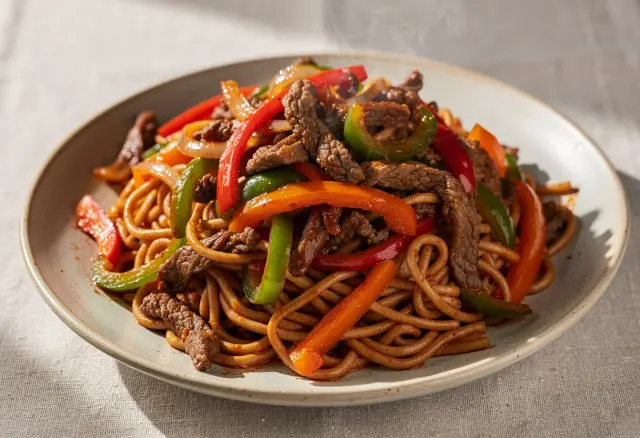
LagmanHand-pulled noodles topped with a stir-fried stew of beef, peppers, and tomatoes in a savory sauce.
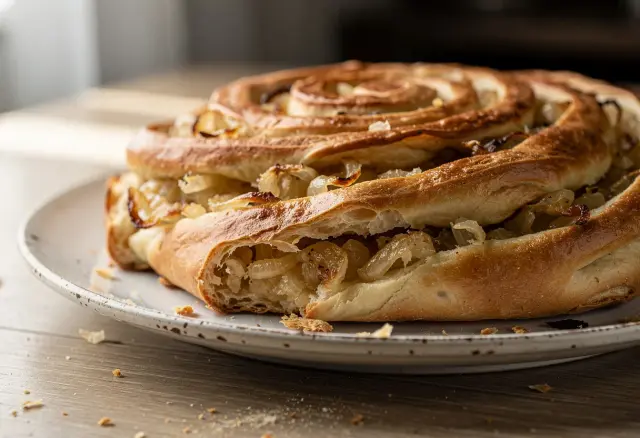
KattamaA flaky, spiral pan-fried bread layered with onion, torn and eaten with tea or broth.
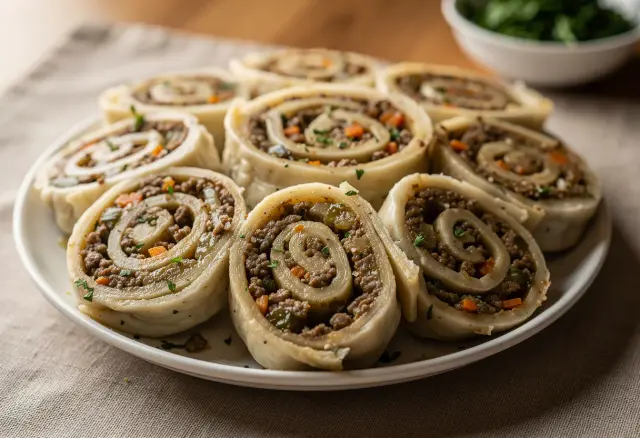
OromoA rolled, spiraled steamed dumpling of thin dough layered with meat, potato, and pumpkin, a hearty Kyrgyz favorite.
Browse all Kyrgyzstan recipes →
Good to know
You’ll need: Pot or saucepan, Mould or tin.
Storing it: Fried food is best eaten fresh while crisp. Re-crisp leftovers in a hot oven or air fryer; the microwave makes them soft.
Make it a Kyrgyzstan meal
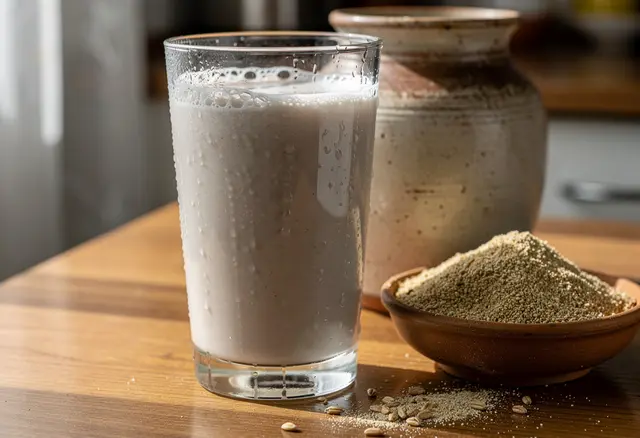
Maksym (Kyrgyz Fermented Grain Drink)Drink
Zhansak (Walnut and Honey Candy)Dessert
Similar dishes from around the world

Kabab Bahraini (Bahraini Chickpea Flour Fritters)Bahrain

Obatzda (Bavarian Cheese Spread)Germany

Tsybryki (Belarusian Fried Potato and Cheese Balls)Belarus

Klui-Klui (Beninese Peanut Sticks)Benin

Baya Kyaw (Burmese Split Pea Fritters)Myanmar

Accra Banana (Cameroonian Banana and Cassava Fritters)Cameroon
Cuisine
Diet
Frequently asked questions
What is Kurut (Kyrgyz Dried Salted Yogurt Balls)?
Soured milk strained into thick suzma, salted, rolled into small balls and dried in the sun until hard, a tangy, very salty snack that keeps for months.
Where does Kurut (Kyrgyz Dried Salted Yogurt Balls) come from?
Kurut (Kyrgyz Dried Salted Yogurt Balls) is a Kyrgyz dish from Bishkek, Kyrgyzstan.
Can Kurut (Kyrgyz Dried Salted Yogurt Balls) be made vegan, gluten-free, or dairy-free?
This Kurut (Kyrgyz Dried Salted Yogurt Balls) recipe includes substitution suggestions for vegetarian, vegan, gluten-free, dairy-free, nut-free, egg-free, and pork-free versions. Treat the substitutions as a starting guide rather than a guarantee, and see the allergen note below.
Is Kurut (Kyrgyz Dried Salted Yogurt Balls) safe for people with food allergies?
Our dietary labels and substitutions are a cooking guide, not medical or allergen-safety advice. We track dairy, egg, gluten, tree nuts and peanuts (we still count coconut as a tree nut to be cautious, although the FDA stopped listing it as one in 2025), fish, and shellfish, but we do not screen for sesame, soy, mustard, celery, or sulphites. If you have a food allergy, always read the label on every product you use, and remember a home or commercial kitchen can cross-contaminate ingredients in ways a recipe cannot control.
How long does Kurut (Kyrgyz Dried Salted Yogurt Balls) take to make?
About 3.5 days in all: 40 minutes prep and 15 minutes cooking, plus 3.5 days of hands-off waiting the method needs, serving 10.
Get the Sunday Spin
One dish from somewhere in the world, in your inbox every Sunday. No spam, just dinner inspiration you can cook that day.