Asia → South Korea → Seoul (Gyeonggi)

🥗 STARTER
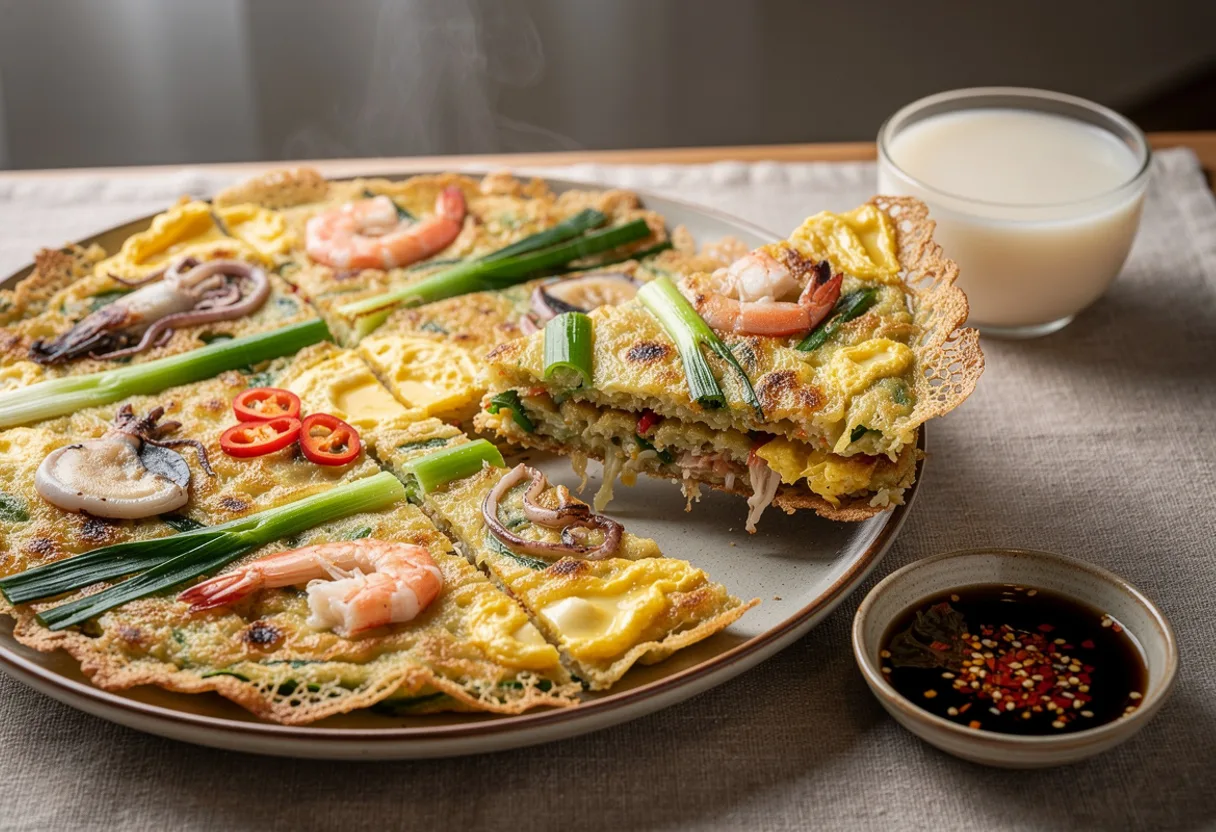
Haemul Pajeon (Seafood Scallion Pancake)
A thin, crisp-edged pancake of whole spring onions and mixed seafood bound in an ice-cold batter, fried golden in plenty of oil and cut into pieces to dip in soy and vinegar sauce.
Korean · medium · serves 4
prep 20 min · cook 20 min
~330 cal · 13g protein · 33g carbs · 16g fat · 2g fiber · 4g sugars · 2g sat fat (estimated, per serving)
↓ Jump to Recipe
AI-generated illustration
Pa means spring onion and jeon is the family of Korean pan-fried, battered dishes, so pajeon is a spring onion pancake, and haemul pajeon, with haemul meaning seafood, is the version studded with squid, prawns, clams, mussels or oysters. It is one of the most popular jeon in Korea.
The batter is thin, much thinner than a Western pancake batter, and made with ice-cold water so it fries up crisp. Whole lengths of spring onion are laid in the pan, the seafood is scattered over, and just enough batter is poured on to bind them, sometimes with a beaten egg drizzled over the top. It cooks in generous oil until golden on both sides, and it is cut into squares at the table and dipped in cho ganjang, soy sauce sharpened with vinegar.
Pajeon is shared food, ordered at the start of a meal or as anju, the dishes that go with drinks, and above all with makgeolli, the milky rice wine. On rainy days Koreans famously crave it. The Busan variant, Dongnae pajeon, uses a rice flour batter and is served with a gochujang sauce.
Saved recipes and passport stamps are kept on this device. Sign in to keep them across your devices and leave reviews.
Make it yours
✓ Naturally dairy-, nut- and pork-free. No swaps needed.
Toggle a diet and the ingredients rewrite themselves with regional substitutes.
🥕 Vegetarian
🌱 Vegan
🌾 Gluten-Free
🥛 Dairy-Free
🥜 Nut-Free
🥚 Egg-Free
🐖 Pork-Free
Dietary labels are a cooking guide, not allergen-safety advice. We track dairy, egg, gluten, tree nuts and peanuts (we count coconut as a tree nut, following FDA labeling), fish, and shellfish; we do not screen for sesame, soy, mustard, celery, or sulphites. If you have a food allergy, read the label on every product you use, and note that a kitchen can cross-contaminate in ways a recipe cannot control.
Ingredients
US
Metric
Serves 4
- 1 cup (120 g) Korean pancake mix (buchim garu) or plain flour
- 1/2 tsp salt (for the batter), only if using plain flour; pancake mix is already seasoned
- 3/4 cup (180 ml) ice-cold water
- 1 1/2 cups (about 250 g) mixed seafood (squid, peeled prawns, clams, mussels or oysters), cut bite-sized
- 1 tsp toasted sesame oil (for the seafood)
- 2 bunches (about 12) spring onions, halved crosswise (and lengthwise if thick)
- 1 red chilli, thinly sliced, optional
- 1 egg, lightly beaten
- 8 to 10 tbsp , for frying
- 2 tbsp soy sauce (for the dipping sauce)
- 1 1/2 tbsp rice vinegar (for the dipping sauce)
- 1 tbsp water (for the dipping sauce)
- 1/2 tsp gochugaru (Korean chilli flakes)
- 1/2 tsp sugar (for the dipping sauce)
Instructions
- 1Stir together the soy sauce, vinegar, water, gochugaru and sugar for the dipping sauce and set aside.
- 2Drain the seafood well and toss it with the sesame oil. Whisk the pancake mix (or flour and salt) with the ice-cold water to a thin, runny batter, then stir in half the seafood.✎ Chef’s noteKeep the batter cold and do not overmix it. Cold, barely stirred batter fries up crisp; a thick, worked batter turns heavy and doughy.
- 3Heat 3 to 4 tbsp oil in a large frying pan over medium-high heat. Lay half the spring onions in the pan side by side, then spoon half the batter evenly over and between them. Scatter over half the remaining seafood and half the chilli, and drizzle half the beaten egg over the top.
- 4Fry for 3 to 4 minutes, pressing down now and then, until the underside is golden and crisp. Flip it over, add 2 to 3 tbsp more oil around the edges and fry for another 3 to 4 minutes, until golden and cooked through.
- 5Slide it out, make the second pancake the same way, and cut both into squares. Serve hot with the dipping sauce.
Korean home and pub tradition.
Ratings & reviews
Cooked it? Rate this dish:
No account needed. Sign in to leave a full review with a comment.
Cooked it?
Kept on this device, no account needed. Sign in to leave a review and keep your passport across your devices.
No reviews yet, be the first to cook it.
🌏 While it simmers, know your destination
📍
Seoul (Gyeonggi). Royal court cuisine is a preserved thing rather than a living everyday one: it was designated a national intangible cultural property in 1971, with its twelve-dish table settings and its insistence on colour and balance. What people actually eat rests on banchan, the small side dishes that arrive unordered and are refilled without being asked.
🗺️
South Korea. Kimjang, the late-autumn making and sharing of a winter's worth of kimchi, was inscribed by UNESCO in 2013. Households pool labour and cabbages over a few days and the results are distributed among neighbours and relatives, which makes it a social obligation as much as a preserving method.
🌍
Asia. A grain line runs across the continent. Rice dominates the wet south and east, wheat the drier north and west, and the tools follow it: the wok and the steamer where rice is milled, the tandoor and the griddle where wheat is ground. Tea travels the other way, drunk green, black, salted, buttered or with milk depending how far it got from China.
The story behind this dish is up top, worth a read while the pot works.
More from South Korea
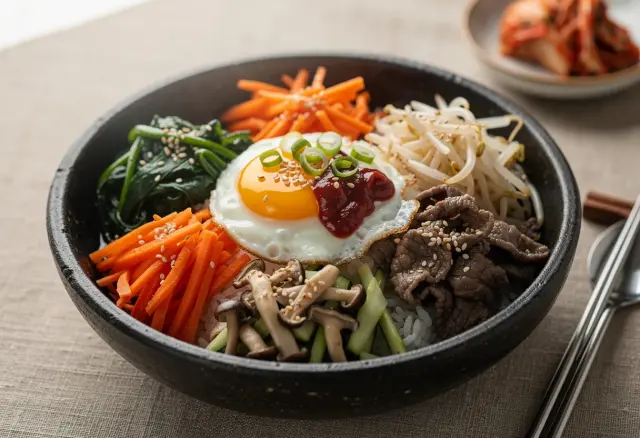
BibimbapA bowl of rice crowned with seasoned vegetables, beef, and a fried egg, all mixed with gochujang at the table.
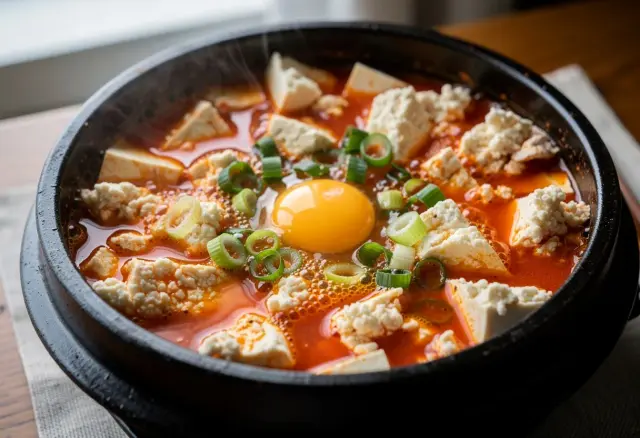
Sundubu-jjigae (Soft Tofu Stew)Bubbling-hot soft tofu stew, brick-red with gochugaru, finished with an egg cracked in at the table.
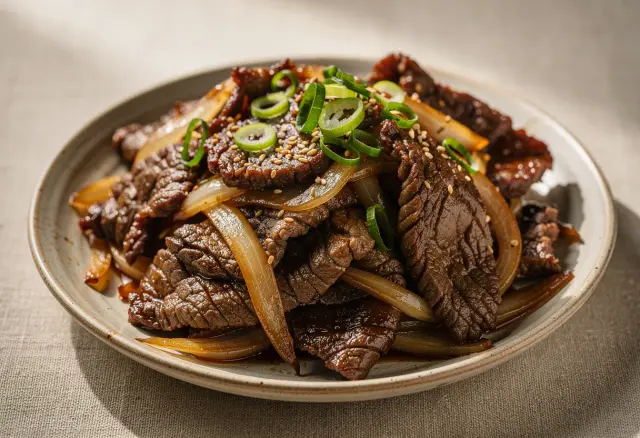
BulgogiThin beef marinated in soy, pear, sesame, and garlic, seared fast and sweet-savory, Korea’s beloved "fire meat."
Browse all South Korea recipes →
Good to know
You’ll need: Skillet or frying pan, Whisk.
Storing it: Best fresh and hot. Keep batter covered in the fridge for up to a day, and rewarm cooked ones in a dry pan.
Make it a South Korea meal
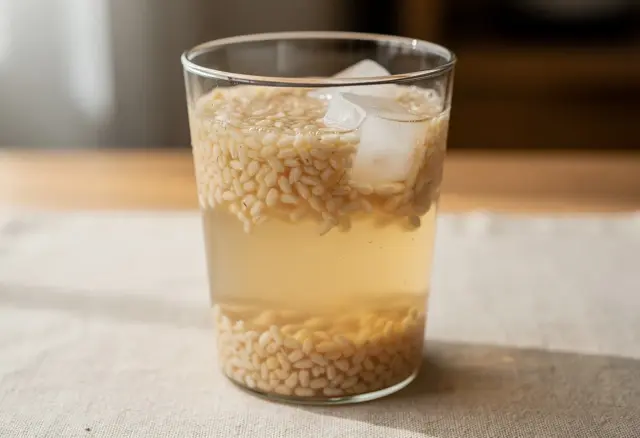
SikhyeDrink
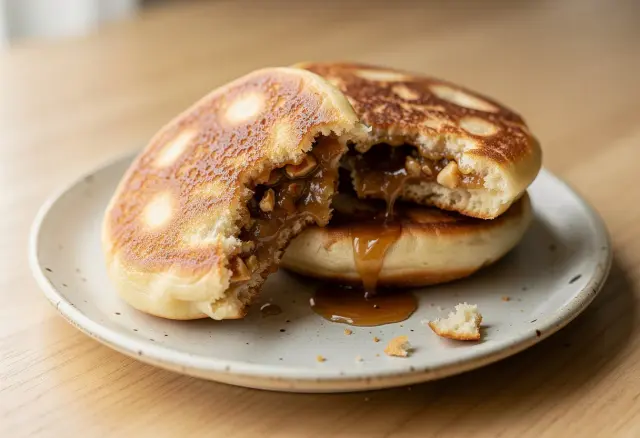
HotteokDessert
Similar dishes from around the world
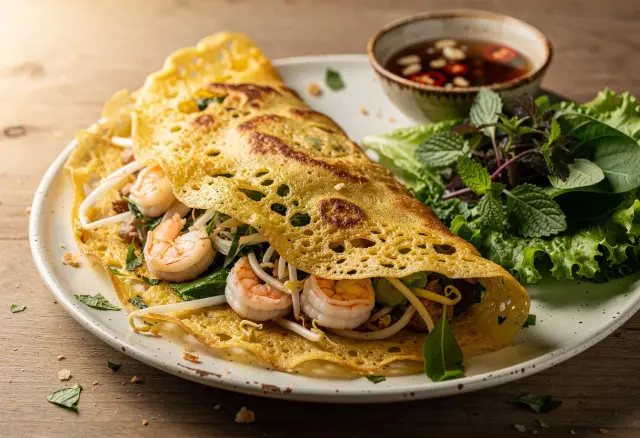
Bánh XèoVietnam
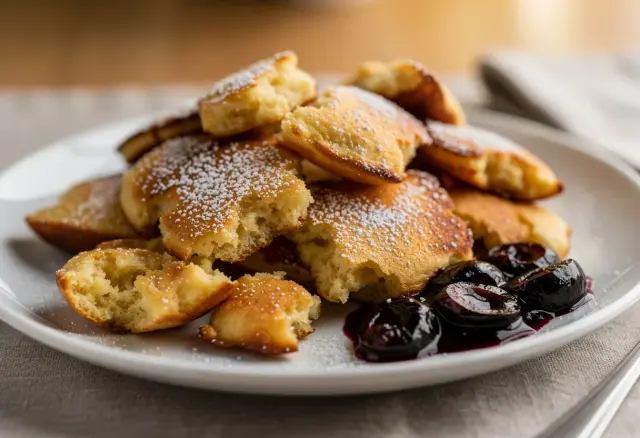
KaiserschmarrnAustria

Chorreadas con NatillaCosta Rica

Arepa di PampunaCuraçao

Æbleskiver (Danish Pancake Balls)Denmark

Pannukakku (Finnish Oven Pancake)Finland
Frequently asked questions
What is Haemul Pajeon (Seafood Scallion Pancake)?
A thin, crisp-edged pancake of whole spring onions and mixed seafood bound in an ice-cold batter, fried golden in plenty of oil and cut into pieces to dip in soy and vinegar sauce.
Where does Haemul Pajeon (Seafood Scallion Pancake) come from?
Haemul Pajeon (Seafood Scallion Pancake) is a Korean dish from Seoul (Gyeonggi), South Korea.
Can Haemul Pajeon (Seafood Scallion Pancake) be made vegan, gluten-free, or dairy-free?
This Haemul Pajeon (Seafood Scallion Pancake) recipe includes substitution suggestions for vegetarian, vegan, gluten-free, dairy-free, nut-free, egg-free, and pork-free versions. Treat the substitutions as a starting guide rather than a guarantee, and see the allergen note below.
Is Haemul Pajeon (Seafood Scallion Pancake) safe for people with food allergies?
Our dietary labels and substitutions are a cooking guide, not medical or allergen-safety advice. We track dairy, egg, gluten, tree nuts and peanuts (we still count coconut as a tree nut to be cautious, although the FDA stopped listing it as one in 2025), fish, and shellfish, but we do not screen for sesame, soy, mustard, celery, or sulphites. If you have a food allergy, always read the label on every product you use, and remember a home or commercial kitchen can cross-contaminate ingredients in ways a recipe cannot control.
How long does Haemul Pajeon (Seafood Scallion Pancake) take to make?
About 40 minutes total (20 minutes prep, 20 minutes cooking), serving 4.
Get the Sunday Spin
One dish from somewhere in the world, in your inbox every Sunday. No spam, just dinner inspiration you can cook that day.