
🥤 DRINK
Limoncello
The lemon liqueur of the Amalfi Coast and Sorrento: the zest of unwaxed lemons steeped in pure alcohol, sweetened with a light syrup and served ice cold after dinner.
Italian · easy · serves 40
prep 30 min · cook 5 min · plus 3 weeks hands-off time
~211 cal · 0g protein · 21g carbs · 0g fat · 0g fiber · 20g sugars · 0g sat fat (estimated, per serving)
↓ Jump to Recipe
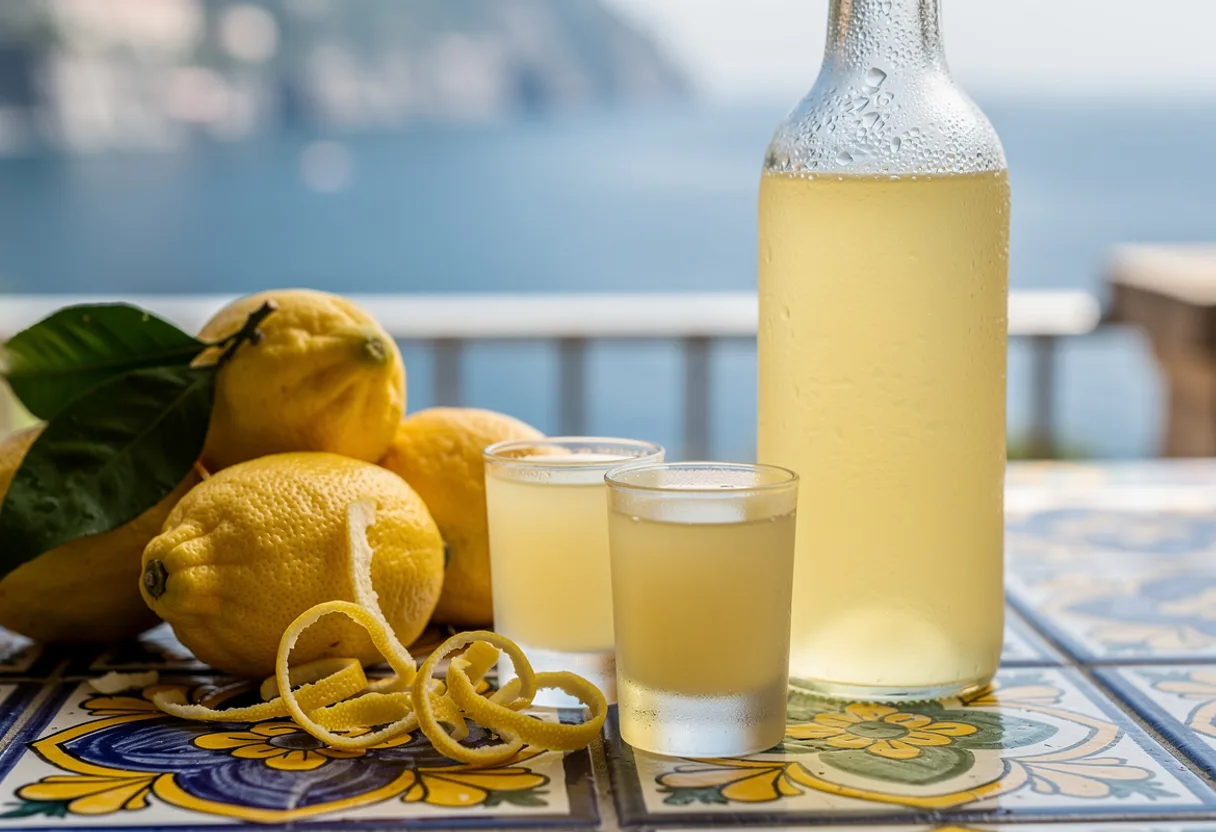
AI-generated illustration
Limoncello belongs to the lemon terraces of the Gulf of Naples, the Sorrento peninsula, Capri and the Amalfi Coast, where the big, fragrant, thick-skinned Sfusato Amalfitano and Femminello Sorrentino lemons grow over the sea. Sorrento, Amalfi and Capri all claim to have invented it, and nobody has settled the argument, but every one of them agrees on how it is made.
The method is simple and patient. Only the thin yellow outer skin is used, the part that holds the lemon's oil, never the bitter white pith beneath it. The peel is left to in strong, pure alcohol until the spirit turns a vivid yellow and smells of lemons, then it is lengthened and sweetened with a syrup of sugar and water. The oil from the zest turns the liqueur very slightly cloudy.
Families across Campania still make their own, and a bottle kept in the freezer is the standard way to end a meal: poured into small chilled glasses and sipped very cold as a digestivo.
Saved recipes and passport stamps are kept on this device. Sign in to keep them across your devices and leave reviews.
Make it yours
✓ Naturally vegetarian, vegan and gluten-, dairy-, egg-, nut- and pork-free. No swaps needed.
Toggle a diet and the ingredients rewrite themselves with regional substitutes.
🥕 Vegetarian
🌱 Vegan
🌾 Gluten-Free
🥛 Dairy-Free
🥜 Nut-Free
🥚 Egg-Free
🐖 Pork-Free
Dietary labels are a cooking guide, not allergen-safety advice. We track dairy, egg, gluten, tree nuts and peanuts (we count coconut as a tree nut, following FDA labeling), fish, and shellfish; we do not screen for sesame, soy, mustard, celery, or sulphites. If you have a food allergy, read the label on every product you use, and note that a kitchen can cross-contaminate in ways a recipe cannot control.
Ingredients
US
Metric
Serves 40
- 10 to 12 large unwaxed, untreated lemons (Amalfi or Sorrento if you can find them), organic, since the peel is all you use
- 1000 ml pure grain alcohol (95 to 96 percent), or the strongest clear vodka you can buy, Italians use alcool puro from the supermarket; with 40 percent vodka the extraction is gentler, so cut the water below by half
- 800 g granulated sugar
- 1.2 litres water
Instructions
- 1Wash the lemons in warm water and dry them well. With a sharp vegetable peeler, take off only the thin yellow skin in strips, leaving every bit of white pith behind.✎ Chef’s noteThe pith makes limoncello bitter. If a strip comes away with white on the back, scrape it off with a small knife.
- 2Put the peel in a large glass jar, pour the alcohol over it so it is completely covered, and seal the jar tightly.
- 3Leave the jar in a cool, dark place for at least 2 weeks and up to a month, shaking it gently every few days, until the alcohol is bright yellow and the peel pale and brittle.✎ Chef’s noteA week is the bare minimum on the Amalfi Coast; many families wait a month for the fullest scent.
- 4Make the syrup: warm the water and sugar together over medium-low heat for about 5 minutes, stirring, just until the sugar has dissolved. Do not let it boil. Let it cool completely.
- 5Strain the alcohol through a fine sieve, then through muslin if you want it clearer, and discard the peel. Stir in the cold syrup.✎ Chef’s noteAdding warm syrup to the spirit drives off alcohol and aroma. It must be cold.
- 6Pour into clean glass bottles, seal, and leave in a cool, dark place for at least 1 week to mellow.
- 7Keep the bottles in the freezer for at least a day before serving, and pour the limoncello ice cold into small chilled glasses after dinner.✎ Chef’s noteIt will not freeze solid at freezer temperature, and it lives there happily for months.
Amalfi Coast and Sorrento peninsula home tradition.
Ratings & reviews
Cooked it? Rate this dish:
No account needed. Sign in to leave a full review with a comment.
Cooked it?
Kept on this device, no account needed. Sign in to leave a review and keep your passport across your devices.
No reviews yet, be the first to cook it.
🌏 While it simmers, know your destination
📍
Campania. The craft of the Neapolitan pizzaiuolo went onto UNESCO's intangible heritage list in 2017, and the European traditional-speciality rules for pizza napoletana go further, setting out the dough, the hand-shaping and the ingredients, with San Marzano tomatoes and buffalo mozzarella named as the traditional choices.
🗺️
Italy. The full sequence of antipasto, primo, secondo and contorno is a special-occasion structure; most days a household eats one course, a vegetable and coffee. Bread stays on the table throughout and is not really a course at all, and using it to wipe the plate clean is expected enough to have its own name, fare la scarpetta, making the little shoe.
🌍
Europe. European cooking is built on the land and the seasons, wheat, butter, and cured pork in the north; olive oil, tomatoes, and seafood around the Mediterranean; preserved vegetables and hearty stews through long winters. Centuries of peasant tradition, guild craft, and royal courts refined techniques from French mother sauces to Italian fresh pasta and Central European baking. Regional identity runs remarkably deep, with a single dish often changing from one valley to the next.
The story behind this dish is up top, worth a read while the pot works.
More from Italy
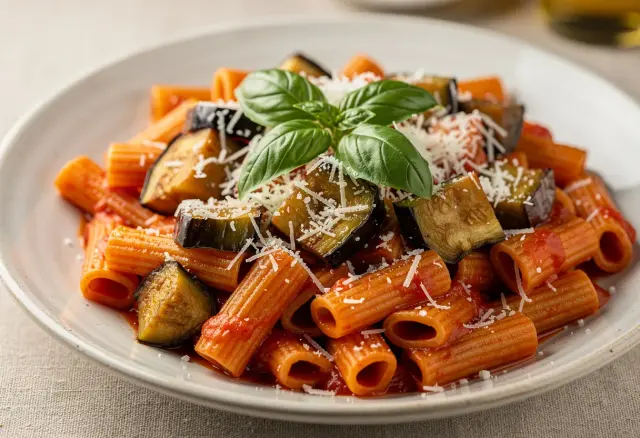
Pasta alla NormaFried eggplant, tomato, basil, and salted ricotta over pasta, Catania's tribute to its favorite opera.
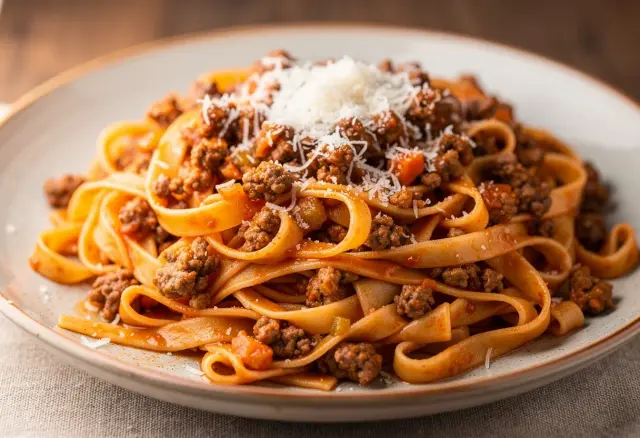
Tagliatelle al RagùBologna’s slow-simmered meat sauce folded through fresh ribbon pasta, the dish the world calls "bolognese," done right.
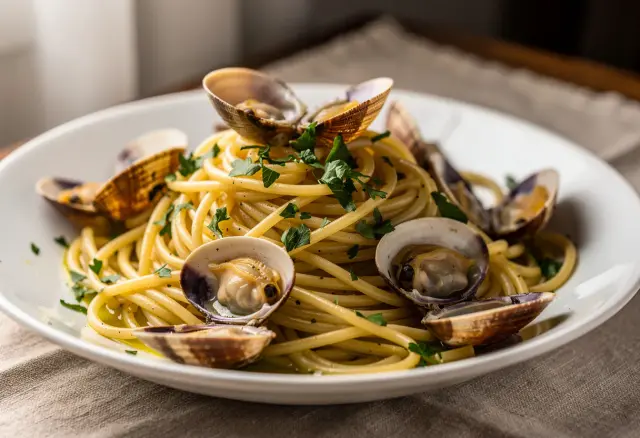
Spaghetti alle VongoleSpaghetti tossed with clams, garlic, white wine, and parsley, the Bay of Naples in eight ingredients.
Browse all Italy recipes →
Good to know
Storing it: Keep chilled and covered, and enjoy within 2 to 3 days.
Make it an Italy meal
Spaghetti alle VongoleDinner
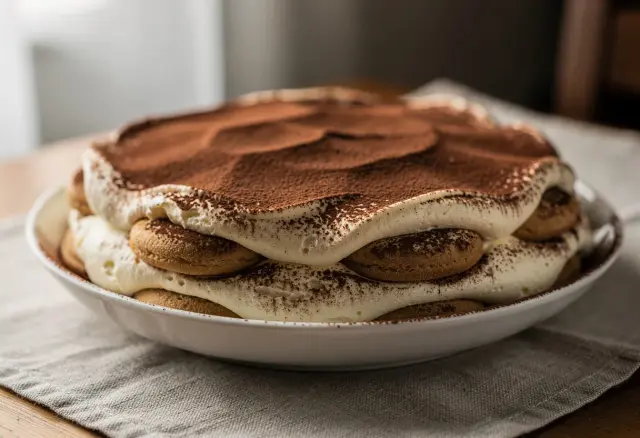
TiramisùDessert
Similar dishes from around the world
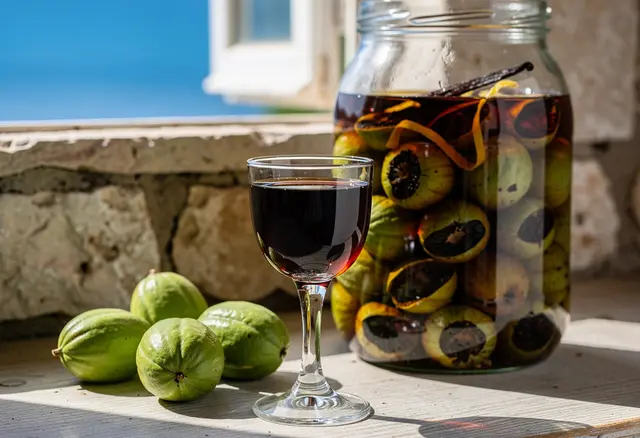
Orahovac (Croatian Green Walnut Liqueur)Croatia
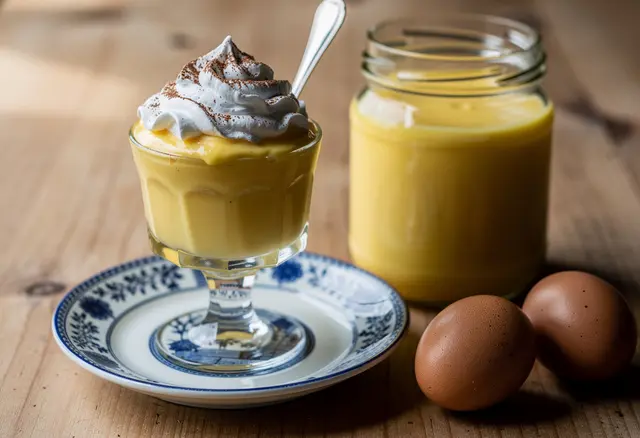
Advocaat (Dutch Egg Liqueur)Netherlands
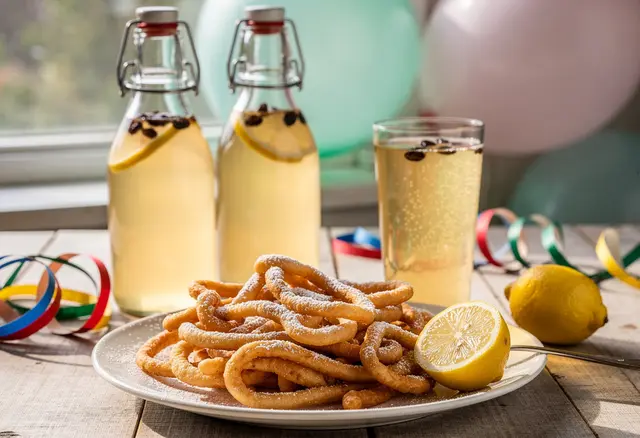
Sima (Finnish May Day Lemon Mead)Finland

Krupnikas (Lithuanian Honey Spice Liqueur)Lithuania
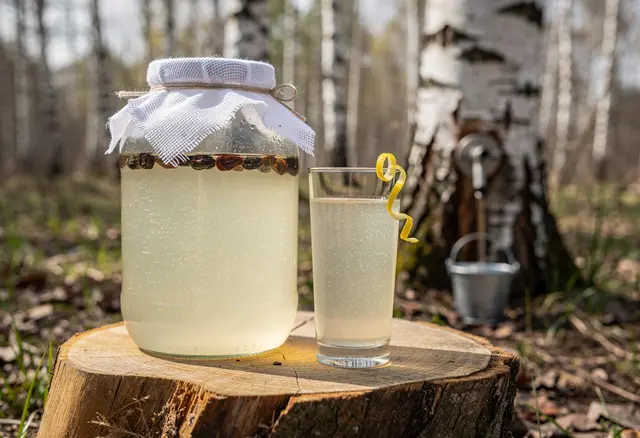
Biarozavik (Belarusian Fermented Birch Sap)Belarus
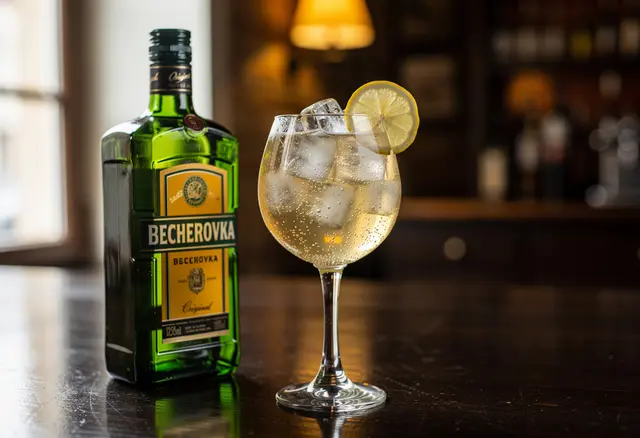
Beton (Becherovka and Tonic)Czechia
Drinks
Frequently asked questions
What is Limoncello?
The lemon liqueur of the Amalfi Coast and Sorrento: the zest of unwaxed lemons steeped in pure alcohol, sweetened with a light syrup and served ice cold after dinner.
Where does Limoncello come from?
Limoncello is an Italian dish from Campania, Italy.
Can Limoncello be made vegan, gluten-free, or dairy-free?
This Limoncello recipe includes substitution suggestions for vegetarian, vegan, gluten-free, dairy-free, nut-free, egg-free, and pork-free versions. Treat the substitutions as a starting guide rather than a guarantee, and see the allergen note below.
Is Limoncello safe for people with food allergies?
Our dietary labels and substitutions are a cooking guide, not medical or allergen-safety advice. We track dairy, egg, gluten, tree nuts and peanuts (we still count coconut as a tree nut to be cautious, although the FDA stopped listing it as one in 2025), fish, and shellfish, but we do not screen for sesame, soy, mustard, celery, or sulphites. If you have a food allergy, always read the label on every product you use, and remember a home or commercial kitchen can cross-contaminate ingredients in ways a recipe cannot control.
How long does Limoncello take to make?
About 3 weeks in all: 30 minutes prep and 5 minutes cooking, plus 3 weeks of hands-off waiting the method needs, serving 40.
Get the Sunday Spin
One dish from somewhere in the world, in your inbox every Sunday. No spam, just dinner inspiration you can cook that day.