
🥙 LUNCH
Lovo (Fijian Earth-Oven Feast, Home-Oven Version)
Fiji's Sunday feast: chicken and pork marinated in coconut cream, garlic and ginger, wrapped in banana leaves and slow-cooked with dalo, cassava and kumala and parcels of palusami, adapted here for a home oven.
Fijian · medium · serves 6
prep 60 min · cook 150 min · plus 4 h hands-off time
~1190 cal · 77g protein · 100g carbs · 52g fat · 12g fiber · 11g sugars · 33g sat fat (estimated, per serving)
↓ Jump to Recipe
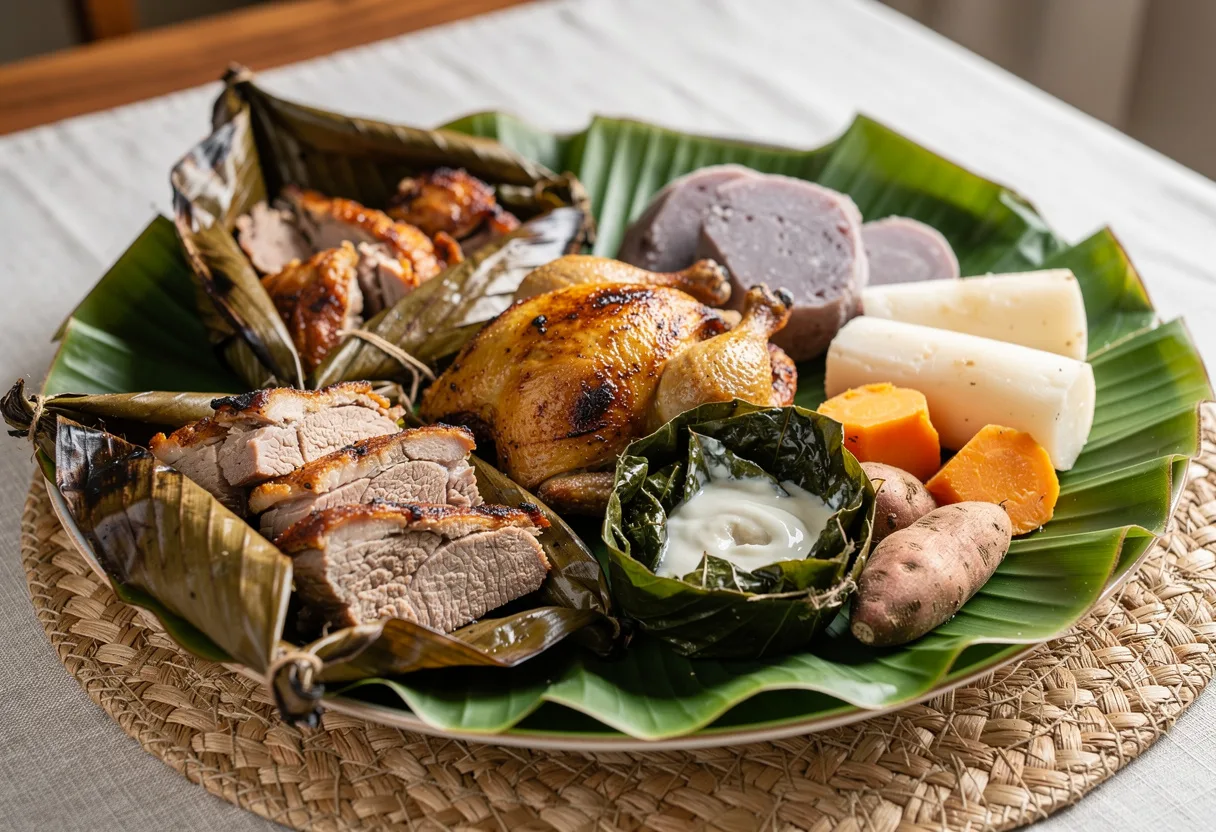
AI-generated illustration
A lovo is Fiji's earth oven, and the feast cooked in it. A pit is dug, a fire is built in it to heat volcanic stones for hours, and then meat, fish and root crops wrapped in banana leaves or foil are laid on the stones, covered with more leaves, sacks and earth, and left to steam and roast slowly. Most Fijian families lay a lovo early on Sunday morning before church so that it is ready for Sunday lunch, and a larger lovo marks weddings, funerals, church festivals and the welcome of important guests.
What goes in depends on the occasion, from a whole pig at a big gathering to chicken and pork at a family table, with dalo (), and kumala (sweet potato) beneath. Almost every lovo carries palusami: young leaves folded around and onion, which bake into a soft, rich parcel that many people remember longest.
This card is a home-oven adaptation, not the pit. A covered roasting tin lined with banana leaves stands in for the earth oven: the meat and roots come out tender and fragrant with coconut and leaf, but without the smoke and the steam-roasting of hot stones that give a real lovo its character.
Saved recipes and passport stamps are kept on this device. Sign in to keep them across your devices and leave reviews.
Make it yours
✓ Naturally gluten-, dairy- and egg-free. No swaps needed.
Toggle a diet and the ingredients rewrite themselves with regional substitutes.
🥕 Vegetarian
🌱 Vegan
🌾 Gluten-Free
🥛 Dairy-Free
🥜 Nut-Free
🥚 Egg-Free
🐖 Pork-Free
Dietary labels are a cooking guide, not allergen-safety advice. We track dairy, egg, gluten, tree nuts and peanuts (we count coconut as a tree nut, following FDA labeling), fish, and shellfish; we do not screen for sesame, soy, mustard, celery, or sulphites. If you have a food allergy, read the label on every product you use, and note that a kitchen can cross-contaminate in ways a recipe cannot control.
Ingredients
US
Metric
Serves 6
- 1 kg bone-in chicken thighs and drumsticks
- 600 g boneless pork shoulder, in large chunks
- 6 cloves garlic, crushed (for the marinade)
- 3 cm piece fresh ginger, grated (for the marinade)
- 200 ml thick (for the marinade)
- 1 tbsp sea salt
- 800 g dalo (), peeled and cut into large chunks
- 600 g (tavioka), peeled and cut into large chunks
- 500 g kumala (sweet potato), peeled and cut into large chunks
- 24 young leaves (rourou), stems removed (for the palusami), taro leaves must be cooked right through; undercooked they make the mouth and throat itchHard to find? large silverbeet (Swiss chard) or spinach leaves - softer and milder, with none of the taro leaf's earthy depth, and they need far less cooking; the parcel holds together less well, so wrap it in foil as well
- 1 onion, finely chopped (for the palusami)
- 300 ml thick (for the palusami)
- 8 large banana leaves, softened over a flameHard to find? baking parchment inside a layer of foil - it holds the parcels and steams them just as well; what you lose is the faint grassy perfume the leaf gives the food. Frozen banana leaves keep for months and are stocked by most Asian and Pacific grocers
Instructions
- 1Mix the garlic, ginger, the 200 ml of coconut cream and 2 tsp of the salt. Coat the chicken and pork thoroughly and marinate in the fridge for at least 4 hours, ideally overnight.
- 2Make the palusami: stack 4 taro leaves shiny side down in a cross on a square of foil, cup them in your hand, add a spoonful of chopped onion, a pinch of salt and about 50 ml of coconut cream, fold the leaves over to enclose it and wrap tightly in the foil. Repeat to make 6 parcels.✎ Chef’s noteCup the leaves before adding the cream so it cannot run out; the foil is the second seal.
- 3Heat the oven to 180C. Line a large deep roasting tin (or two) with banana leaves, letting them hang well over the sides. Lay the dalo, cassava and kumala in the bottom and season with the remaining salt.
- 4Wrap the chicken and pork, with their marinade, in banana-leaf parcels, then in foil, and lay them over the roots. Put the palusami parcels on top.
- 5Fold the overhanging leaves over everything, cover the tin tightly with a double layer of foil (standing in for the earth and sacks of a real lovo) and bake 2 to 2 1/2 hours, until the pork is tender and the roots are soft right through.✎ Chef’s noteHome-oven adaptation: a pit lovo gives smoke and a slow steam-roast on hot stones that an oven cannot copy. The meat and roots will be tender and fragrant, just not smoky; a real lovo is worth seeking out in Fiji.
- 6Rest 10 minutes, then open the parcels at the table and serve everything together on banana leaves, family style.
Fijian lovo tradition, Viti Levu, with an honest home-oven adaptation.
Ratings & reviews
Cooked it? Rate this dish:
No account needed. Sign in to leave a full review with a comment.
Cooked it?
Kept on this device, no account needed. Sign in to leave a review and keep your passport across your devices.
No reviews yet, be the first to cook it.
🌏 While it simmers, know your destination
📍
Viti Levu. Fiji's main island, Viti Levu, cooks the lovo earth-oven feast, coconut-marinated kokoda, and Indo-Fijian curries. Taro, cassava, and reef fish anchor a table of two cultures.
🗺️
Fiji. Fijian cuisine is defined by the reef and the coconut, kokoda (fish 'cooked' in citrus and coconut cream), taro, cassava, and the earth-oven lovo feast. Indigenous iTaukei and Indo-Fijian curry traditions meet across three hundred islands.
🌍
Oceania. The staple crops here were carried on purpose. Lapita voyagers moving east from roughly three thousand years ago brought taro, yam, banana, breadfruit and coconut with them along with pigs and chickens, because most of the islands they settled had almost nothing edible growing on them. The earth oven travelled too, as umu, imu, hangi, lovo, mumu, motu and um.
The story behind this dish is up top, worth a read while the pot works.
More from Fiji

BabakauPuffy, faintly sweet Fijian fried bread, crisp outside and pillowy within, torn and dunked in sweet milky tea for breakfast.
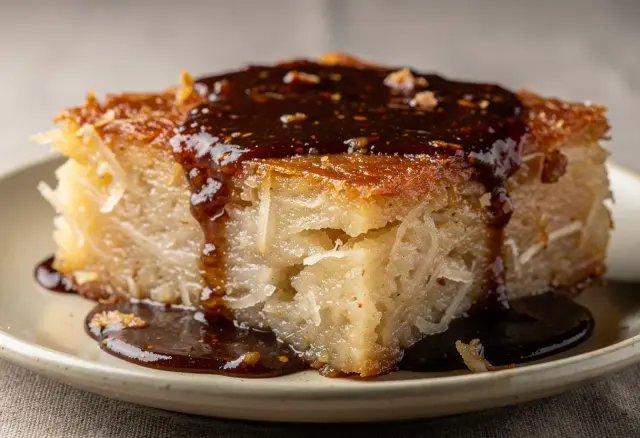
VakaloloDense baked cassava under a dark coconut caramel, one of Fiji's oldest sweets, cut into sticky squares.
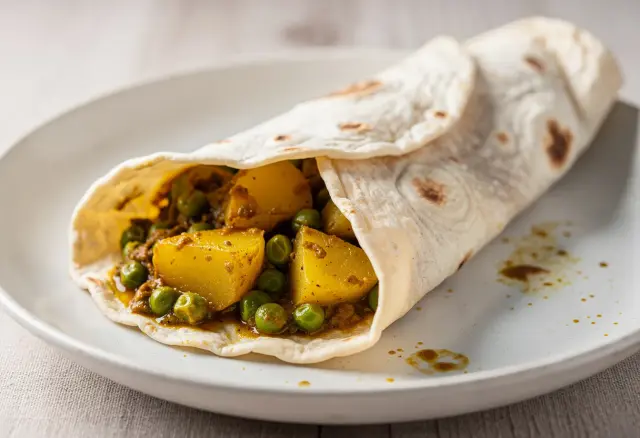
Fiji Roti ParcelA soft griddle roti wrapped around spiced potato-and-pea curry, the everyday one-handed lunch of Fiji's towns.
Browse all Fiji recipes →
Good to know
You’ll need: Oven, Mould or tin.
Storing it: Stews and braises keep 3 to 4 days refrigerated and often taste better the next day. Reheat gently, adding a splash of water if it has thickened.
Make it a Fiji meal
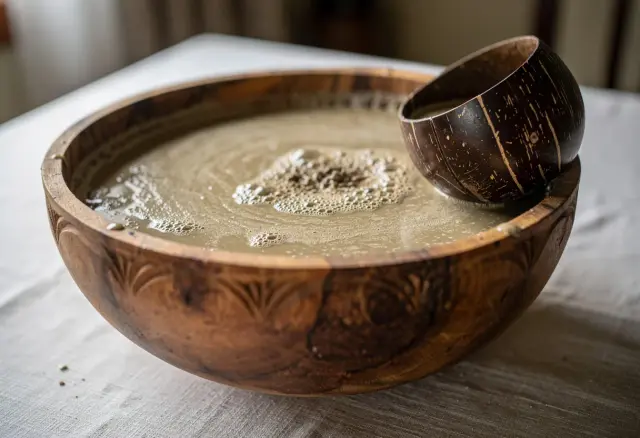
Kava (Yaqona)Drink
VakaloloDessert
Fijian Chicken CurryDinner
Similar dishes from around the world
EscudellaAndorra
Jasha MarooBhutan
Omani HareesOman
Kittitian Chicken BouillonSaint Kitts and Nevis
LuwomboUganda
Muamba de GalinhaAngola
Cuisine
Diet
Frequently asked questions
What is Lovo (Fijian Earth-Oven Feast, Home-Oven Version)?
Fiji's Sunday feast: chicken and pork marinated in coconut cream, garlic and ginger, wrapped in banana leaves and slow-cooked with dalo, cassava and kumala and parcels of palusami, adapted here for a home oven.
Where does Lovo (Fijian Earth-Oven Feast, Home-Oven Version) come from?
Lovo (Fijian Earth-Oven Feast, Home-Oven Version) is a Fijian dish from Viti Levu, Fiji.
Can Lovo (Fijian Earth-Oven Feast, Home-Oven Version) be made vegan, gluten-free, or dairy-free?
This Lovo (Fijian Earth-Oven Feast, Home-Oven Version) recipe includes substitution suggestions for vegetarian, vegan, gluten-free, dairy-free, nut-free, egg-free, and pork-free versions. Treat the substitutions as a starting guide rather than a guarantee, and see the allergen note below.
Is Lovo (Fijian Earth-Oven Feast, Home-Oven Version) safe for people with food allergies?
Our dietary labels and substitutions are a cooking guide, not medical or allergen-safety advice. We track dairy, egg, gluten, tree nuts and peanuts (we still count coconut as a tree nut to be cautious, although the FDA stopped listing it as one in 2025), fish, and shellfish, but we do not screen for sesame, soy, mustard, celery, or sulphites. If you have a food allergy, always read the label on every product you use, and remember a home or commercial kitchen can cross-contaminate ingredients in ways a recipe cannot control.
How long does Lovo (Fijian Earth-Oven Feast, Home-Oven Version) take to make?
About 7 h 30 min in all: 60 minutes prep and 150 minutes cooking, plus 4 h of hands-off waiting the method needs, serving 6.
Get the Sunday Spin
One dish from somewhere in the world, in your inbox every Sunday. No spam, just dinner inspiration you can cook that day.