South America → Bolivia → La Paz

🥗 STARTER
Sopa de Maní
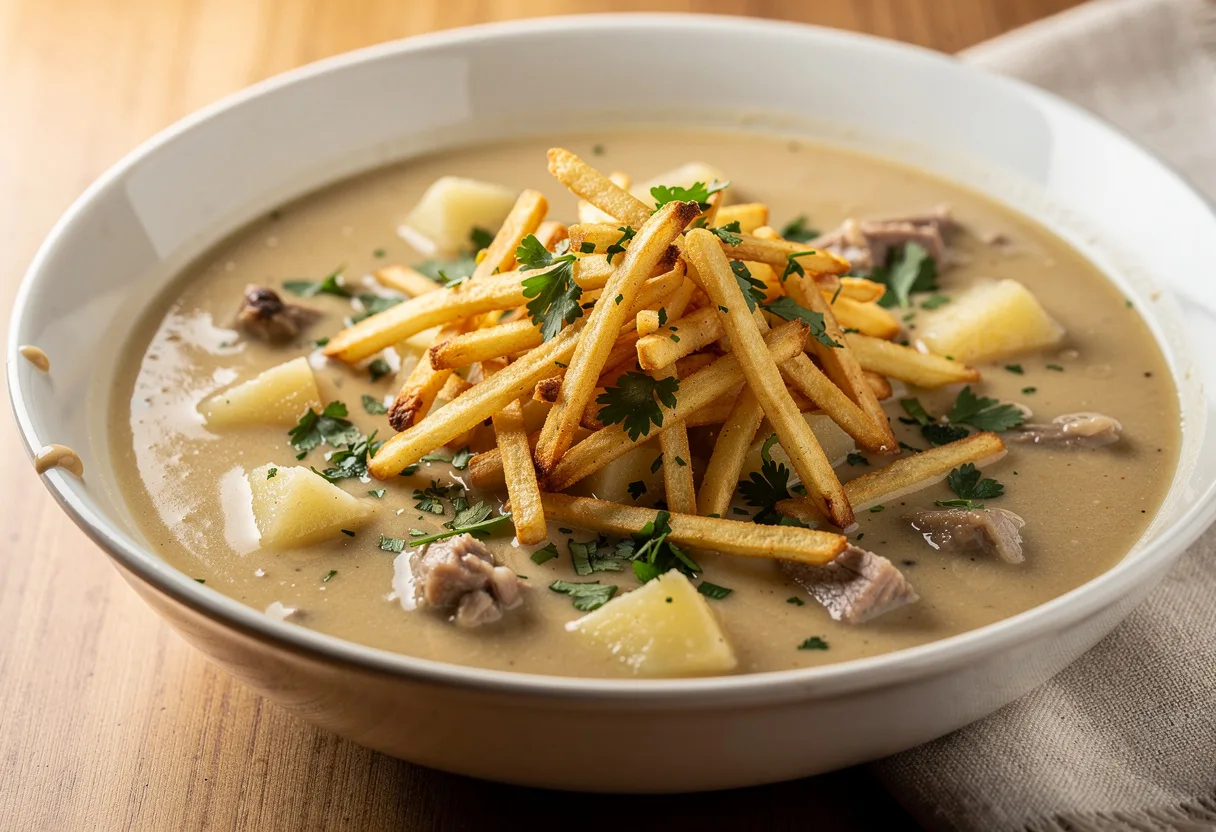
Bolivia’s creamy peanut soup with beef, vegetables, and crispy shoestring fries on top, altiplano comfort.
Bolivian · medium · serves 5
prep 20 min · cook 60 min
~655 cal · 40g protein · 47g carbs · 35g fat · 8g fiber · 6g sugars · 9g sat fat (estimated, per serving)
↓ Jump to Recipe
AI-generated illustration
Sopa de mani, peanut soup, is one of Bolivia's best-known dishes, a creamy, warming bowl built on the ground peanut, which grows in its warmer valleys. It appears on family tables and in market comedores across the highlands.
Raw peanuts are blended smooth and simmered into a broth built on beef, onion, and gentle spices, along with potatoes and other vegetables, until the soup turns silky and rich. The crowning touch, unmistakably Bolivian, is a heap of crisp shoestring fries scattered over the top just before eating.
Nourishing and deeply comforting against the chill of the altiplano, it is the kind of soup that eats like a meal. Sopa de mani is homey, generous food, the sort a Bolivian grandmother makes to warm a cold day.
Saved recipes and passport stamps are kept on this device. Sign in to keep them across your devices and leave reviews.
Make it yours
✓ Naturally dairy-, egg- and pork-free. No swaps needed.
Toggle a diet and the ingredients rewrite themselves with regional substitutes.
🥕 Vegetarian
🌱 Vegan
🌾 Gluten-Free
🥛 Dairy-Free
🥜 Nut-Free
🥚 Egg-Free
🐖 Pork-Free
Dietary labels are a cooking guide, not allergen-safety advice. We track dairy, egg, gluten, tree nuts and peanuts (we count coconut as a tree nut, following FDA labeling), fish, and shellfish; we do not screen for sesame, soy, mustard, celery, or sulphites. If you have a food allergy, read the label on every product you use, and note that a kitchen can cross-contaminate in ways a recipe cannot control.
Ingredients
US
Metric
Serves 5
- 1.5 cups raw peanuts
- 1 lb beef short ribs or stew meat
- 4 potatoes, half diced in, half as shoestring fries
- 2 carrots
- 1 cup peas
- 1/2 cup fideos or thin pasta, broken small
- 1 onion
- 3 cloves garlic
- 1 tsp each cumin and dried oregano
- for frying
- 3 tbsp parsley, chopped
Instructions
- 1Blend the raw peanuts with 2 cups water until completely smooth, to make the peanut cream that gives the soup its body.
- 2Brown the beef (or add soaked beans) with the onion, garlic, cumin, and oregano.
- 3Add 7 cups water and simmer 30 minutes.
- 4Stir in the peanut cream and simmer gently 20 minutes, stirring often so it never catches, until it thickens to a silky soup.✎ Chef’s noteStir the peanut soup often as it simmers. It thickens and can scorch on the bottom quickly once the peanut cream goes in.
- 5Meanwhile, fry the broken fideos in a little oil until deep golden brown; this toasting is the classic step that layers extra nuttiness into the soup.
- 6Add the diced potatoes, carrots, peas, and the toasted fideos and cook for the last 15 minutes, until everything is tender.
- 7Fry the shoestring potatoes until crisp.
- 8Serve the soup with the fries piled on top and parsley scattered over.
La Paz Sunday tradition.
Ratings & reviews
Cooked it? Rate this dish:
No account needed. Sign in to leave a full review with a comment.
Cooked it?
Kept on this device, no account needed. Sign in to leave a review and keep your passport across your devices.
No reviews yet, be the first to cook it.
🌏 While it simmers, know your destination
📍
La Paz. Strictly speaking this is the world's highest seat of government rather than the highest capital, since Sucre holds the constitutional title. Either way, the altitude does the cooking: water boils well below 100 degrees up here, so soups run long and everything takes more time than the recipe says.
🗺️
Bolivia. The saltena is a mid-morning institution rather than a lunch. It is a baked pastry with a sweet-edged crust holding a filling so juicy it is nearly soup, which is why it is eaten standing up, held upright, and bitten at the corner. Llajua, the table sauce, is raw locoto chilli blitzed with tomato and quilquina herb.
🌍
South America. South America's cooking follows its dramatic geography, potatoes and quinoa in the high Andes, cassava and river fish in the Amazon basin, and grass-fed beef on the pampas. Indigenous ingredients like maize, ají peppers, and cacao meet Spanish, Portuguese, African, Italian, and Japanese influences brought by five centuries of migration. Ceviche, feijoada, arepas, and the smoke of the asado are its most beloved icons.
The story behind this dish is up top, worth a read while the pot works.
More from Bolivia
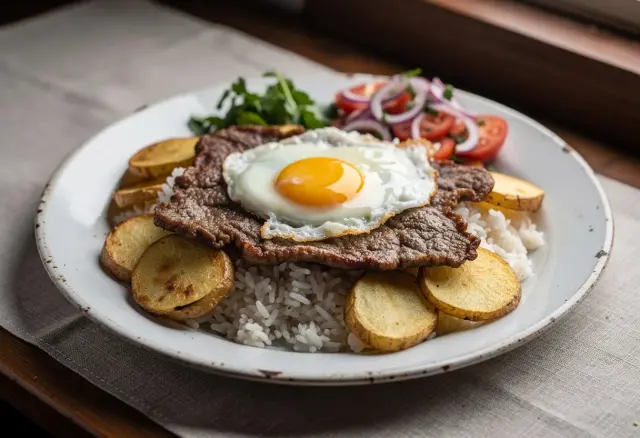
SilpanchoA Cochabamba plate of rice, potato, a thin breaded beef cutlet, and a fried egg over chopped salad.

Api con PastelA hot, spiced purple-corn drink thick with cinnamon and clove, served with a crisp fried cheese pastry dusted in sugar.
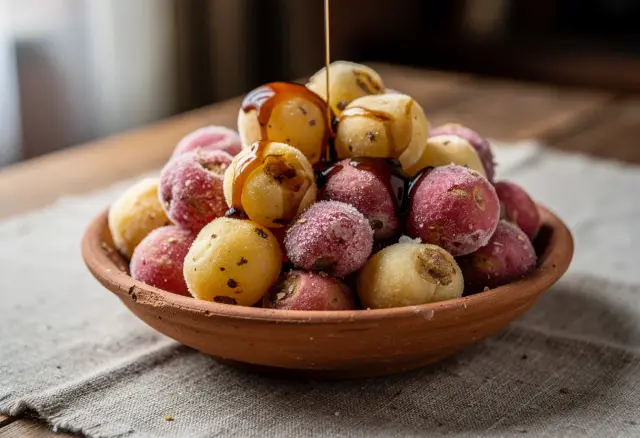
Thayacha (Andean Frozen Oca)An ancient Bolivian altiplano treat: sweet oca tubers boiled with cinnamon, then frozen overnight into a natural ice, sold in the winter markets of La Paz and El Alto.
Browse all Bolivia recipes →
Good to know
You’ll need: Blender.
Storing it: Soup keeps 3 to 4 days refrigerated and freezes well. Reheat gently and loosen with a little water or stock if needed.
Make it a Bolivia meal
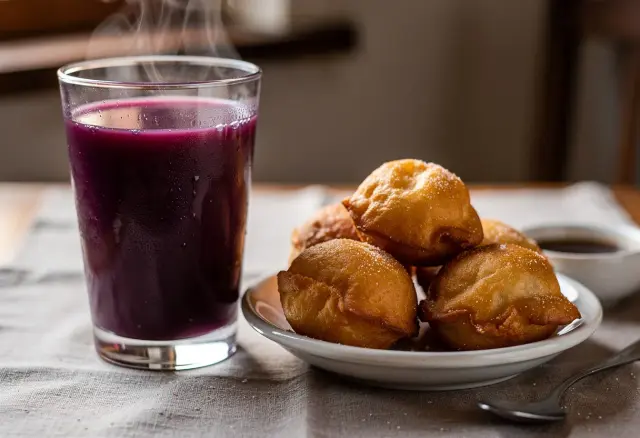
Api MoradoDrink
Thayacha (Andean Frozen Oca)Dessert
Similar dishes from around the world
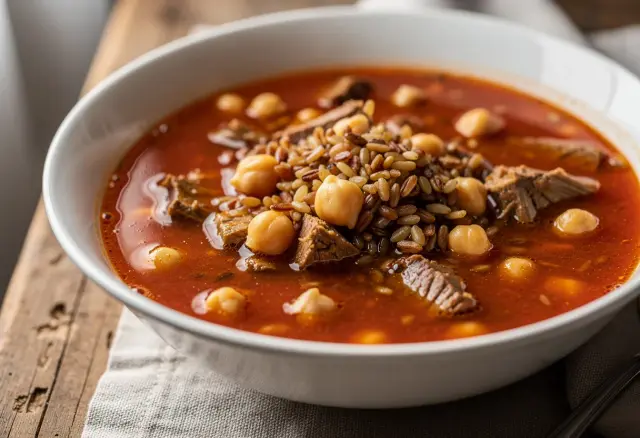
Chorba FrikAlgeria
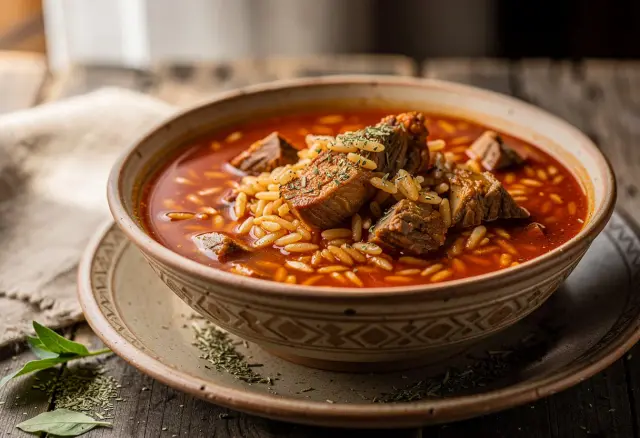
Shorba LibiyaLibya
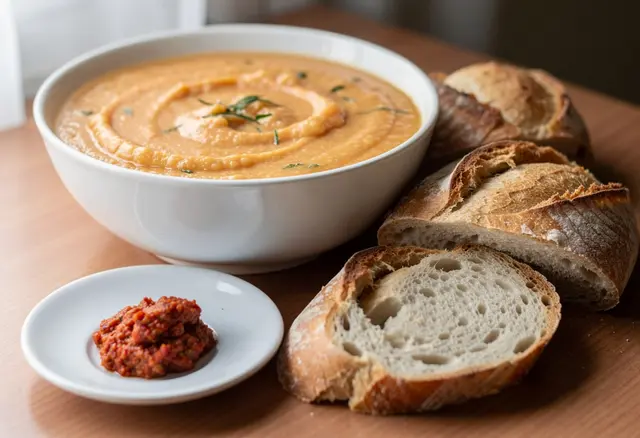
Lasopy (Malagasy Puréed Vegetable Soup)Madagascar
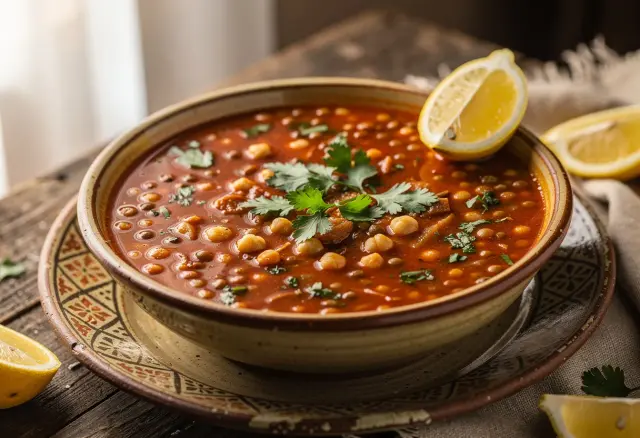
HariraMorocco
DushbaraAzerbaijan
Tarhana Čorba (Bosnian Tarhana Soup)Bosnia & Herzegovina
Cuisine
Diet
Frequently asked questions
What is Sopa de Maní?
Bolivia’s creamy peanut soup with beef, vegetables, and crispy shoestring fries on top, altiplano comfort.
Where does Sopa de Maní come from?
Sopa de Maní is a Bolivian dish from La Paz, Bolivia.
Can Sopa de Maní be made vegan, gluten-free, or dairy-free?
This Sopa de Maní recipe includes substitution suggestions for vegetarian, vegan, gluten-free, dairy-free, nut-free, egg-free, and pork-free versions. Treat the substitutions as a starting guide rather than a guarantee, and see the allergen note below.
Is Sopa de Maní safe for people with food allergies?
Our dietary labels and substitutions are a cooking guide, not medical or allergen-safety advice. We track dairy, egg, gluten, tree nuts and peanuts (we still count coconut as a tree nut to be cautious, although the FDA stopped listing it as one in 2025), fish, and shellfish, but we do not screen for sesame, soy, mustard, celery, or sulphites. If you have a food allergy, always read the label on every product you use, and remember a home or commercial kitchen can cross-contaminate ingredients in ways a recipe cannot control.
How long does Sopa de Maní take to make?
About 80 minutes total (20 minutes prep, 60 minutes cooking), serving 5.
Get the Sunday Spin
One dish from somewhere in the world, in your inbox every Sunday. No spam, just dinner inspiration you can cook that day.