← For Teachers
🌍 Country of the Week · A Spin the Globe Teacher's Guide
Croatia
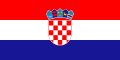 Croatia
Europe · This week's dish comes from Dalmatia
About Croatia
Croatia splits between a Mediterranean coast of seafood, olive oil, and pršut ham and a hearty continental interior of stews and roasts. Truffles, wine, and slow-cooked peka dishes reflect Italian and Central European ties.
The peka is a bell of iron or clay set over meat and potatoes and buried under embers so the heat comes from every direction at once, the same principle as the sac used across the Balkans. Istria's white truffles are a genuine and documented claim, dug in the Motovun forest in autumn, and they sit in a region that also produces olive oil and prosciutto.
The country folds in the middle. The Adriatic side cooks like the northern Mediterranean, grilled fish, olive oil, capers and prsut air-dried in the wind, while the continental interior north and east cooks like Central Europe, with paprika, freshwater fish stews and roasts. Pasticada, the Dalmatian braise, has an unsettled origin, and the oldest known recipe for it comes from fifteenth-century Dubrovnik.
The wider picture: Village recipes guarded for generations.
This week's dish: Palačinke
Thin crepes rolled around jam, walnut, or chocolate, a Croatian breakfast and dessert.
Serves 4 · Prep 10 min · Cook 20 min · Difficulty: easy
See the full recipe: ingredients, steps and dietary swaps →
Grown-up jobs: any step that uses a hot stove, oven, boiling water, or a sharp knife is for a teacher or parent. Children can measure, mix, and assemble.
Discussion prompts
1. Find Croatia on a world map or globe. It sits in Europe. Which oceans or neighboring countries does it touch, and roughly how far is it from where you live?
2. Palačinke comes from Dalmatia, in Croatia. Read its ingredient list together. Which of those foods do you think are grown or raised nearby, and how might the country's climate and landscape explain that?
3. Read the short story behind Palačinke. How have the people, trade routes, and history of Croatia shaped what ends up on the plate there?
4. Compare Palačinke to a dish your own family cooks. What is similar, what is different, and what one question would you ask a family in Croatia about how they make and share it?
5. After you cook Palačinke, add Croatia to a classroom map and give it a stamp. Write down one fact about its food or geography that you did not know this morning.
🌍 Spin the Globe · Geography through food · spintheglobeofficial.com/for-teachers