← For Teachers
🌍 Country of the Week · A Spin the Globe Teacher's Guide
Palestine
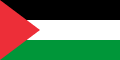 Palestine
Asia · This week's dish comes from West Bank
About Palestine
Palestinian cuisine is deeply tied to the land, musakhan (sumac chicken over flatbread), maqluba's dramatic 'upside-down' rice, and olive oil pressed from ancient groves. Za'atar, sumac, and communal platters define the table.
Musakhan means heated, and the dish began as a way of using day-old taboon bread: soaked with new olive oil, piled with onions cooked slowly with sumac, and topped with chicken. It is associated with the Tulkarm and Jenin area and is made at olive-harvest time, when the first pressing of the year is running and the oil is at its sharpest.
Maqluba is old enough to appear in thirteenth-century Baghdad cookbooks, so the upside-down turn is not a recent trick. Several dishes compete for the title of national dish here, which is why it is better to say a dish is often considered one than to declare it. Za'atar, the thyme-sumac-sesame mix, is made at home and differs family to family.
The wider picture: From street-cart woks to slow monastery kitchens.
This week's dish: Labneh with Za'atar
Thick strained yogurt swirled with olive oil and za'atar, scooped with warm taboon bread.
Serves 4 · Prep 10 min · Cook 0 min · Difficulty: easy
See the full recipe: ingredients, steps and dietary swaps →
Grown-up jobs: any step that uses a hot stove, oven, boiling water, or a sharp knife is for a teacher or parent. Children can measure, mix, and assemble.
Discussion prompts
1. Find Palestine on a world map or globe. It sits in Asia. Which oceans or neighboring countries does it touch, and roughly how far is it from where you live?
2. Labneh with Za'atar comes from West Bank, in Palestine. Read its ingredient list together. Which of those foods do you think are grown or raised nearby, and how might the country's climate and landscape explain that?
3. Read the short story behind Labneh with Za'atar. How have the people, trade routes, and history of Palestine shaped what ends up on the plate there?
4. Compare Labneh with Za'atar to a dish your own family cooks. What is similar, what is different, and what one question would you ask a family in Palestine about how they make and share it?
5. After you cook Labneh with Za'atar, add Palestine to a classroom map and give it a stamp. Write down one fact about its food or geography that you did not know this morning.
🌍 Spin the Globe · Geography through food · spintheglobeofficial.com/for-teachers