← For Teachers
🌍 Country of the Week · A Spin the Globe Teacher's Guide
North Korea
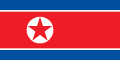 North Korea
Asia · This week's dish comes from Pyongyang
About North Korea
North Korean cuisine shares Korea's fermentation heritage but leans milder and more austere, cold buckwheat noodles (naengmyeon), corn and potato dishes, and hearty stews. Pyongyang's cold noodles are its most famous export.
Pyongyang naengmyeon is defined by restraint. The broth is a clear, subtle beef stock, sometimes blended with chicken, pork or pheasant, the noodles carry a high proportion of buckwheat, and the toppings are sparse, against the sweeter or chilli-paste versions found elsewhere on the peninsula. Mustard and vinegar go in at the table, and traditionally the noodles are not cut.
The north is colder and higher than the south and grows differently: maize and potato do more of the work than rice, and the potato-heavy cooking of Ryanggang province is genuinely distinct. Food scarcity has been a serious and well-documented part of the country's recent history, which is the necessary context for any account of what is eaten there.
The wider picture: From street-cart woks to slow monastery kitchens.
This week's dish: Gangnaengi-tteok
Chewy steamed corn cakes lightly sweetened and often dotted with beans, a homely North Korean treat.
Serves 6 · Prep 20 min · Cook 30 min · Difficulty: easy
See the full recipe: ingredients, steps and dietary swaps →
Grown-up jobs: any step that uses a hot stove, oven, boiling water, or a sharp knife is for a teacher or parent. Children can measure, mix, and assemble.
Discussion prompts
1. Find North Korea on a world map or globe. It sits in Asia. Which oceans or neighboring countries does it touch, and roughly how far is it from where you live?
2. Gangnaengi-tteok comes from Pyongyang, in North Korea. Read its ingredient list together. Which of those foods do you think are grown or raised nearby, and how might the country's climate and landscape explain that?
3. Read the short story behind Gangnaengi-tteok. How have the people, trade routes, and history of North Korea shaped what ends up on the plate there?
4. Compare Gangnaengi-tteok to a dish your own family cooks. What is similar, what is different, and what one question would you ask a family in North Korea about how they make and share it?
5. After you cook Gangnaengi-tteok, add North Korea to a classroom map and give it a stamp. Write down one fact about its food or geography that you did not know this morning.
🌍 Spin the Globe · Geography through food · spintheglobeofficial.com/for-teachers