← For Teachers
🌍 Country of the Week · A Spin the Globe Teacher's Guide
Nicaragua
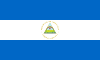 Nicaragua
North America · This week's dish comes from Managua
About Nicaragua
Nicaragua's table centers on gallo pinto (rice and beans), plantains, and slow-cooked vaho and nacatamales. Corn, tropical fruit, and a Caribbean-coast coconut influence round out a hearty Central American cuisine.
Gallo pinto is shared with Costa Rica and both countries claim it, so it is best described rather than awarded; in Nicaragua the beans are usually red and are fried with day-old rice until the grains take colour. The nacatamal is a different order of thing from a Mexican tamal, a large parcel of masa with pork, rice, potato and mint wrapped in plantain leaf and boiled for hours.
The Caribbean coast cooks nothing like the Pacific side. Rondon, from run down, simmers fish or turtle with cassava, plantain and coconut milk until everything softens together, and it belongs to a Creole and Miskito coast that faces the sea rather than the capital. Vaho, on the Pacific side, is beef, plantain and yuca steamed together in banana leaves.
The wider picture: A collision of Indigenous, colonial, and immigrant tables.
This week's dish: Gallo Pinto
Day-old rice fried with red beans until speckled like a painted rooster, Nicaragua’s twice-daily heartbeat.
Serves 4 · Prep 10 min · Cook 20 min · Difficulty: easy
See the full recipe: ingredients, steps and dietary swaps →
Grown-up jobs: any step that uses a hot stove, oven, boiling water, or a sharp knife is for a teacher or parent. Children can measure, mix, and assemble.
Discussion prompts
1. Find Nicaragua on a world map or globe. It sits in North America. Which oceans or neighboring countries does it touch, and roughly how far is it from where you live?
2. Gallo Pinto comes from Managua, in Nicaragua. Read its ingredient list together. Which of those foods do you think are grown or raised nearby, and how might the country's climate and landscape explain that?
3. Read the short story behind Gallo Pinto. How have the people, trade routes, and history of Nicaragua shaped what ends up on the plate there?
4. Compare Gallo Pinto to a dish your own family cooks. What is similar, what is different, and what one question would you ask a family in Nicaragua about how they make and share it?
5. After you cook Gallo Pinto, add Nicaragua to a classroom map and give it a stamp. Write down one fact about its food or geography that you did not know this morning.
🌍 Spin the Globe · Geography through food · spintheglobeofficial.com/for-teachers