← For Teachers
🌍 Country of the Week · A Spin the Globe Teacher's Guide
Moldova
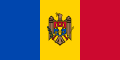 Moldova
Europe · This week's dish comes from Chișinău
About Moldova
Moldovan food is rustic and wine-country generous, mămăligă polenta, cabbage rolls (sarmale), and plăcintă pastries. Sitting between Romania and Ukraine, it centers the garden, the vineyard, and the family table.
Mamaliga does the job bread does elsewhere: cooked stiff enough to hold its shape, turned out and cut with a thread rather than a knife, and eaten with branza, which is an umbrella word covering cow, sheep and goat cheeses. Zeama, the sour chicken noodle soup, is the everyday classic, and sarmale are Ottoman in origin and shared across the region.
Wine is not a sideline here but a documented one. The cellars at Milestii Mici, tunnels cut into limestone, hold what is recorded as the largest wine collection in the world, and household winemaking remains ordinary rather than remarkable. Placinta, the coiled or folded pastry filled with cheese, cabbage, potato or apple, is what gets eaten alongside.
The wider picture: Village recipes guarded for generations.
This week's dish: Mămăligă cu Brânză
Thick cornmeal polenta layered with salty sheep's cheese and sour cream, the soul of Moldovan tables.
Serves 4 · Prep 10 min · Cook 30 min · Difficulty: easy
See the full recipe: ingredients, steps and dietary swaps →
Grown-up jobs: any step that uses a hot stove, oven, boiling water, or a sharp knife is for a teacher or parent. Children can measure, mix, and assemble.
Discussion prompts
1. Find Moldova on a world map or globe. It sits in Europe. Which oceans or neighboring countries does it touch, and roughly how far is it from where you live?
2. Mămăligă cu Brânză comes from Chișinău, in Moldova. Read its ingredient list together. Which of those foods do you think are grown or raised nearby, and how might the country's climate and landscape explain that?
3. Read the short story behind Mămăligă cu Brânză. How have the people, trade routes, and history of Moldova shaped what ends up on the plate there?
4. Compare Mămăligă cu Brânză to a dish your own family cooks. What is similar, what is different, and what one question would you ask a family in Moldova about how they make and share it?
5. After you cook Mămăligă cu Brânză, add Moldova to a classroom map and give it a stamp. Write down one fact about its food or geography that you did not know this morning.
🌍 Spin the Globe · Geography through food · spintheglobeofficial.com/for-teachers