← For Teachers
🌍 Country of the Week · A Spin the Globe Teacher's Guide
Mexico
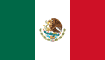 Mexico
North America · This week's dish comes from Oaxaca
About Mexico
Mexican cuisine is UNESCO-recognized and older than any border, built on the ancient trinity of corn, beans, and chiles plus tomatoes, cacao, and a vast world of moles and salsas. From tacos to slow-cooked barbacoa, it layers Indigenous Mesoamerican roots with Spanish influence.
Underneath almost everything is nixtamalization: dried maize simmered and steeped in lime water, then hulled and ground. It softens the kernels into a masa that will hold together as a tortilla, adds calcium, and releases the tryptophan the body turns into niacin, which is why maize-eating Mesoamerica escaped the pellagra that later maize cultures suffered.
Chillies are treated as a vocabulary rather than a heat setting, with the same pod carrying one name fresh and another dried, poblano becoming ancho and jalapeno becoming chipotle, each toasted before it is ground. The comal, a flat unglazed griddle, is the busiest surface in the kitchen, used in turn for tortillas, chillies, tomatoes and whole cloves of garlic.
The wider picture: A collision of Indigenous, colonial, and immigrant tables.
This week's dish: Enfrijoladas
Corn tortillas bathed in silky black-bean sauce, folded and finished with cheese, crema, and onion.
Serves 4 · Prep 15 min · Cook 25 min · Difficulty: easy
See the full recipe: ingredients, steps and dietary swaps →
Grown-up jobs: any step that uses a hot stove, oven, boiling water, or a sharp knife is for a teacher or parent. Children can measure, mix, and assemble.
Discussion prompts
1. Find Mexico on a world map or globe. It sits in North America. Which oceans or neighboring countries does it touch, and roughly how far is it from where you live?
2. Enfrijoladas comes from Oaxaca, in Mexico. Read its ingredient list together. Which of those foods do you think are grown or raised nearby, and how might the country's climate and landscape explain that?
3. Read the short story behind Enfrijoladas. How have the people, trade routes, and history of Mexico shaped what ends up on the plate there?
4. Compare Enfrijoladas to a dish your own family cooks. What is similar, what is different, and what one question would you ask a family in Mexico about how they make and share it?
5. After you cook Enfrijoladas, add Mexico to a classroom map and give it a stamp. Write down one fact about its food or geography that you did not know this morning.
🌍 Spin the Globe · Geography through food · spintheglobeofficial.com/for-teachers