← For Teachers
🌍 Country of the Week · A Spin the Globe Teacher's Guide
Hungary
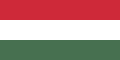 Hungary
Europe · This week's dish comes from Great Hungarian Plain
About Hungary
Hungarian cooking is defined by paprika, which colors and deepens its signature gulyás (goulash) and countless braises. Rich, warming, and pork- and sour-cream-forward, it reflects a Magyar heritage and a love of hearty, well-seasoned comfort food.
The names are not interchangeable. Gulyas in Hungary is a soup, thin enough to drink, while the thick stew foreigners call goulash is closer to porkolt or, with soured cream stirred through, paprikas. Paprika itself arrived late, working its way into the cooking only through the late eighteenth and nineteenth centuries, so nothing about it is ancient Magyar.
Hungarian paprika has legal boundaries. Both Szegedi paprika and the Kalocsai grind hold EU protected designations of origin, registered in 2010 and 2012, tying the ground spice to the towns whose growers and mills produce it. The grades run from the delicate sweet edes nemes through to the hot, and cooks keep more than one tin.
The wider picture: Village recipes guarded for generations.
This week's dish: Bundáskenyér
Hungarian "fur-coat bread", slices dipped in seasoned egg and milk and fried golden.
Serves 2 · Prep 5 min · Cook 10 min · Difficulty: easy
See the full recipe: ingredients, steps and dietary swaps →
Grown-up jobs: any step that uses a hot stove, oven, boiling water, or a sharp knife is for a teacher or parent. Children can measure, mix, and assemble.
Discussion prompts
1. Find Hungary on a world map or globe. It sits in Europe. Which oceans or neighboring countries does it touch, and roughly how far is it from where you live?
2. Bundáskenyér comes from Great Hungarian Plain, in Hungary. Read its ingredient list together. Which of those foods do you think are grown or raised nearby, and how might the country's climate and landscape explain that?
3. Read the short story behind Bundáskenyér. How have the people, trade routes, and history of Hungary shaped what ends up on the plate there?
4. Compare Bundáskenyér to a dish your own family cooks. What is similar, what is different, and what one question would you ask a family in Hungary about how they make and share it?
5. After you cook Bundáskenyér, add Hungary to a classroom map and give it a stamp. Write down one fact about its food or geography that you did not know this morning.
🌍 Spin the Globe · Geography through food · spintheglobeofficial.com/for-teachers