← For Teachers
🌍 Country of the Week · A Spin the Globe Teacher's Guide
Guinea-Bissau
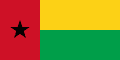 Guinea-Bissau
Africa · This week's dish comes from Bissau
About Guinea-Bissau
Guinea-Bissau's cuisine leans on rice, cashews (its top crop), and fresh seafood, with jollof-style rice and palm-oil stews. Portuguese-Creole and West African roots meet over the fruit and nut of the cashew.
The cashew figure is startling: the nut has accounted for something like two thirds of merchandise exports and, by central-bank measures, the great majority of export revenue, with more than half of farming households growing it. The apple is eaten and fermented locally rather than exported, which is the half of the crop outsiders never see.
Caldo de mancarra is the peanut stew and caldo de chabeu the one built on palm fruit, both poured over rice, which is the staple here in a way cassava is not. The country is a coast of mangrove creeks and a scatter of low islands, the Bijagos, so rice is grown in tidal paddies behind dykes and fish is what most sauces are built on.
The wider picture: Fifty-four countries of tagines, stews, and fire-kissed grills.
This week's dish: Fidjós
Bissau breakfast fritters: a mashed-banana and flour batter fried into small golden puffs, sold in paper cones on the morning streets.
Serves 4 · Prep 15 min · Cook 15 min · Difficulty: easy
See the full recipe: ingredients, steps and dietary swaps →
Grown-up jobs: any step that uses a hot stove, oven, boiling water, or a sharp knife is for a teacher or parent. Children can measure, mix, and assemble.
Discussion prompts
1. Find Guinea-Bissau on a world map or globe. It sits in Africa. Which oceans or neighboring countries does it touch, and roughly how far is it from where you live?
2. Fidjós comes from Bissau, in Guinea-Bissau. Read its ingredient list together. Which of those foods do you think are grown or raised nearby, and how might the country's climate and landscape explain that?
3. Read the short story behind Fidjós. How have the people, trade routes, and history of Guinea-Bissau shaped what ends up on the plate there?
4. Compare Fidjós to a dish your own family cooks. What is similar, what is different, and what one question would you ask a family in Guinea-Bissau about how they make and share it?
5. After you cook Fidjós, add Guinea-Bissau to a classroom map and give it a stamp. Write down one fact about its food or geography that you did not know this morning.
🌍 Spin the Globe · Geography through food · spintheglobeofficial.com/for-teachers