← For Teachers
🌍 Country of the Week · A Spin the Globe Teacher's Guide
Cuba
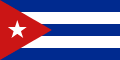 Cuba
North America · This week's dish comes from Havana
About Cuba
Cuban cooking blends Spanish, African, and Caribbean roots into ropa vieja, slow-roast pork, and rice and beans (moros y cristianos). Sofrito, citrus-garlic mojo, and plantains flavor a warm, unfussy island cuisine.
Moros y cristianos means Moors and Christians, and the name describes the method: black beans cooked together with the rice so the grains take the colour. That is not the same plate as congri, which uses red beans, and neither is the same as serving beans over rice from a separate pot. Ropa vieja arrived by way of the Canary Islands, and the traditional mojo is sour orange rather than lime.
Casabe, the flat round bread pressed from bitter cassava, predates the Spanish entirely and is still made the old way: the tuber grated, the poisonous juice squeezed out, the flour sifted and baked on a hot plate. UNESCO inscribed the practice in 2024 in a joint nomination with the Dominican Republic, Haiti, Honduras and Venezuela.
The wider picture: A collision of Indigenous, colonial, and immigrant tables.
This week's dish: Tostada Cubana con Café con Leche
Buttered Cuban bread pressed flat and crisp, cut into batons for dunking into sweet, milky espresso, the quintessential Havana breakfast.
Serves 2 · Prep 5 min · Cook 10 min · Difficulty: easy
See the full recipe: ingredients, steps and dietary swaps →
Grown-up jobs: any step that uses a hot stove, oven, boiling water, or a sharp knife is for a teacher or parent. Children can measure, mix, and assemble.
Discussion prompts
1. Find Cuba on a world map or globe. It sits in North America. Which oceans or neighboring countries does it touch, and roughly how far is it from where you live?
2. Tostada Cubana con Café con Leche comes from Havana, in Cuba. Read its ingredient list together. Which of those foods do you think are grown or raised nearby, and how might the country's climate and landscape explain that?
3. Read the short story behind Tostada Cubana con Café con Leche. How have the people, trade routes, and history of Cuba shaped what ends up on the plate there?
4. Compare Tostada Cubana con Café con Leche to a dish your own family cooks. What is similar, what is different, and what one question would you ask a family in Cuba about how they make and share it?
5. After you cook Tostada Cubana con Café con Leche, add Cuba to a classroom map and give it a stamp. Write down one fact about its food or geography that you did not know this morning.
🌍 Spin the Globe · Geography through food · spintheglobeofficial.com/for-teachers