← For Teachers
🌍 Country of the Week · A Spin the Globe Teacher's Guide
Costa Rica
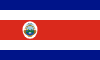 Costa Rica
North America · This week's dish comes from San José
About Costa Rica
Costa Rican food is fresh and wholesome, built on the casado plate of rice, beans, plantain, and salad, and gallo pinto for breakfast. Tropical fruit and a 'pura vida' ease define its unfussy, produce-driven table.
Coffee made the country. Planting began in the Meseta Central in 1779, the nineteenth-century government handed out plots to anyone who would grow it, and by 1829 coffee had passed cacao, tobacco and sugar as the main export. The revenue built the railway to the Atlantic coast and paid for the National Theatre in San Jose.
Casado has two explanations and neither is settled: that it was the plate a married man was fed at home, or that it describes the marriage of several dishes on one surface. Whichever, it is rice, beans, plantain, salad and a protein, and the bottle of Salsa Lizano on the table is the specifically Costa Rican element, going into gallo pinto as much as onto it.
The wider picture: A collision of Indigenous, colonial, and immigrant tables.
This week's dish: Chorreadas con Natilla
Sweet-savory fresh corn pancakes, crisp at the edges, served with a dollop of cool natilla (sour cream), a Costa Rican country breakfast.
Serves 4 · Prep 10 min · Cook 15 min · Difficulty: easy
See the full recipe: ingredients, steps and dietary swaps →
Grown-up jobs: any step that uses a hot stove, oven, boiling water, or a sharp knife is for a teacher or parent. Children can measure, mix, and assemble.
Discussion prompts
1. Find Costa Rica on a world map or globe. It sits in North America. Which oceans or neighboring countries does it touch, and roughly how far is it from where you live?
2. Chorreadas con Natilla comes from San José, in Costa Rica. Read its ingredient list together. Which of those foods do you think are grown or raised nearby, and how might the country's climate and landscape explain that?
3. Read the short story behind Chorreadas con Natilla. How have the people, trade routes, and history of Costa Rica shaped what ends up on the plate there?
4. Compare Chorreadas con Natilla to a dish your own family cooks. What is similar, what is different, and what one question would you ask a family in Costa Rica about how they make and share it?
5. After you cook Chorreadas con Natilla, add Costa Rica to a classroom map and give it a stamp. Write down one fact about its food or geography that you did not know this morning.
🌍 Spin the Globe · Geography through food · spintheglobeofficial.com/for-teachers